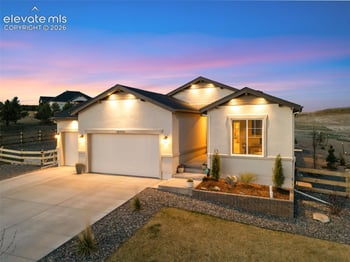
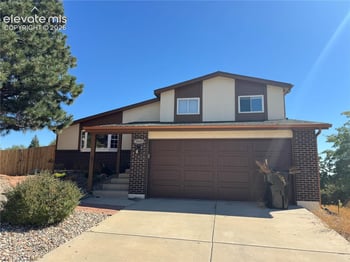
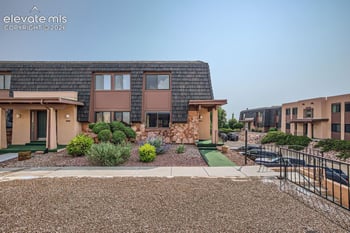
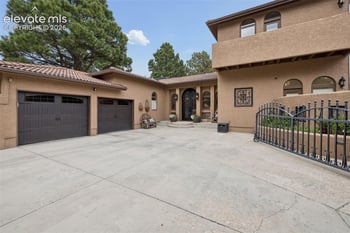
.jpg)



Wheelchair accessible homes in Colorado should be compared by verifiable features, not labels alone. Start with current Colorado homes for sale, then confirm the entry, main-floor layout, bathroom setup, parking, and modification rules before relying on the description.
What This Search Should Include
An accessible-home search usually includes homes with step-free or low-threshold entry, usable main-floor living space, practical door and hallway clearance, and bathrooms that can support the buyer's mobility needs. Listing remarks can be helpful, but they are not a substitute for measurements, photos, disclosures, inspections, and document review.
Use the listing grid to narrow by location, property type, main-floor features, and garage or parking access. Then use the showing, inspection, and contract process to verify the details that are hard to prove from public listing copy.
Feature Checklist for Accessible Homes
| Feature | What to Check |
|---|---|
| Entry | Step-free path, ramp condition, threshold height, weather exposure, and distance from parking. |
| Main Floor | Bedroom, bathroom, laundry, kitchen, and everyday living areas on the same level. |
| Doors and Halls | Clear width, turning space, flooring transitions, and furniture placement. |
| Bathroom | Shower entry, toilet clearance, vanity access, grab-bar blocking, and room to maneuver. |
| Kitchen | Counter reach, appliance placement, cabinet access, flooring, and circulation space. |
| Parking | Garage width, driveway slope, covered access, and path from vehicle to entry. |
| HOA or Community Rules | Exterior modification approval, ramp rules, maintenance responsibilities, and architectural review. |
Accessible Does Not Always Mean ADA Compliant
In residential resale listings, "accessible" often means the home has practical mobility features. It does not always mean the property has been certified against a formal standard. If a listing uses ADA language, confirm exactly what was measured, who verified it, and whether the claim applies to the home, a common area, or a prior modification.
For a purchase decision, treat accessibility as a verification question. Photos, floor plans, seller disclosures, permits, contractor invoices, HOA documents, and an in-person showing can all matter. For technical or legal compliance questions, use a qualified accessibility professional, contractor, attorney, or local building office.
Where Buyers Usually Find Better Options
Many buyers start with ranch homes, patio homes, paired homes, newer construction, and homes with main-floor primary suites. Those property types can make the search more efficient because fewer daily-use spaces depend on stairs, but each home still needs its own review.
Age-qualified communities can also be relevant when the buyer wants a 55+ search, but that label should be verified separately from accessibility. A 55+ community may have maintenance services or single-level homes, yet the individual property still may not have the entry, bathroom, hallway, or parking features the buyer needs.
What to Verify Before You Rely on the Listing
- Measure doors, halls, bathrooms, and turning areas during the showing.
- Review seller disclosures for known modifications, repairs, and permit history.
- Ask whether ramps, lifts, bathroom changes, or doorway changes were permitted.
- Check HOA or community documents before planning exterior changes.
- Use inspection and contractor review before estimating modification scope.
- Confirm whether a feature is permanent, removable, borrowed, or personal property.
Buying an Accessible Home vs. Modifying One
Buying a home with the right features already in place can reduce uncertainty, but inventory may be limited. Modifying a home can open more choices, but the buyer should confirm structural limits, HOA approval, local permit requirements, timing, and contractor availability before assuming a change will work.
A practical search often compares both paths at the same time: homes that already have key features, plus homes that could reasonably be modified after closing. The right path depends on the buyer's timeline, budget, property type, and tolerance for renovation work.
Current Colorado Homes for Sale
Use current Colorado homes for sale to compare live listings, then narrow by location, property type, main-floor features, and showing notes. For help reviewing disclosures, inspection questions, and contract timing, use the Colorado buyer resources before making an offer.
Frequently Asked Questions About Accessible Homes in Colorado
What does this search include?
This search should include homes with practical accessibility features, such as step-free entry, main-floor living, usable bathroom layouts, wider circulation areas, or modification potential. It should not rely on one keyword. Listing remarks, photos, disclosures, and in-person measurements all need to work together before a buyer treats the home as a strong match.
Is an accessible home the same as an ADA-compliant home?
No. In resale housing, accessible usually describes usable features, while ADA-compliant suggests a formal standard that may not apply to every private residence. If a listing uses ADA language, ask what standard was used, who verified it, and which part of the property the claim covers before relying on it.
What should buyers verify during a showing?
Buyers should verify the path from parking to entry, threshold height, door and hallway clearance, bathroom maneuvering space, shower access, flooring transitions, and main-floor daily-use rooms. Bring measurements that reflect the buyer's equipment and daily needs, because a listing description can miss details that matter in actual use.
Can HOA rules affect accessibility changes?
Yes. HOA or community rules can affect exterior ramps, railings, lifts, doorway changes, parking changes, and maintenance responsibility. Buyers should review governing documents, architectural review rules, and approval timelines before assuming a modification can be made after closing.
How should buyers compare accessible features with regular search filters?
Start with broad filters such as city, property type, main-floor bedroom, main-floor bathroom, garage, and lot or maintenance preferences. Then use listing photos, disclosures, showing notes, inspection results, and contractor input to verify the accessibility details. The goal is to avoid missing a good option or trusting a weak label.
Next Step
Review Colorado homes for sale with accessibility features in mind, or use the buyer guide to prepare questions for showings, disclosures, inspections, HOA documents, and modification review.