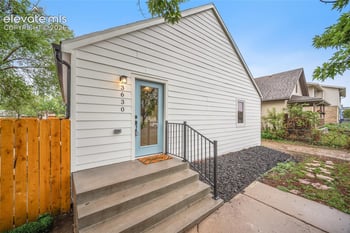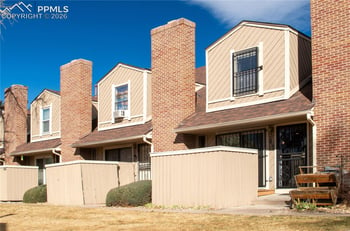
$345,000
Pending
3
Beds
2
Baths
1538
Sqft
0.0202
Acres
3300 W Florida Ave #48, Denver, CO 80219
MLS#: 9397860
.jpg)



The fastest way to protect a Colorado home in an estate plan is a will naming the executor and beneficiaries, a Colorado beneficiary deed on the property itself, and updated beneficiary designations on any mortgage-linked life insurance. Skip any one of the three and the house sits in probate court while heirs wait to sell or move in.
Real estate does not pass automatically just because a will exists. A house titled in one name alone, without a beneficiary deed or a trust, goes through Colorado probate before an heir can sell it, refinance it or even change the locks. That process adds months before the property can close.
Colorado is one of the states that adopted the Uniform Probate Code framework for intestacy, including the formula in UPC §2-101 for dividing an estate among a spouse, minor heirs and other relatives when there is no will. Without a will, Colorado's Probate Code decides who inherits the home, in what shares, and that outcome does not always match what the owner intended, especially in remarried households or long-term unmarried partnerships.
A Colorado beneficiary deed, recorded with the county clerk and recorder while the owner is alive, names who receives the property on death without a probate case. The owner keeps full control of the home, can sell it or revoke the deed at any time, and the transfer only takes effect at death. This is the single most useful document for a homeowner who wants a house to skip probate.
Yes. A revocable living trust that holds title to the home also bypasses probate, and it adds more control than a beneficiary deed, such as staggered distributions to minor or young-adult heirs, or management if the owner becomes incapacitated before death. A trust costs more to set up than a beneficiary deed, so many Front Range homeowners use a trust for larger or more complex estates and a beneficiary deed for a single primary residence.
An uncontested Colorado probate case commonly runs four to nine months from filing to closing, longer if the estate has debts, disputes among heirs, or a house that needs repairs before it can list. During that period the property cannot close a sale until the court appoints a personal representative with authority to sign.
Once the court appoints a personal representative, that person can list and sell the home under the authority granted in the appointment, subject to any restrictions the will or the court sets. Buyers and their lenders want extra time and documentation for a probate sale, so pricing it correctly from day one matters even more here to avoid a stale listing while the file works through the court.
A minority of adults nationwide have a signed will in place, which is the single biggest reason avoidable probate delays happen to Colorado households every year.
A local estate planning attorney who works with Colorado probate courts is the right starting point for a will, a trust or a beneficiary deed, since state-specific formatting and witness requirements matter for a document to hold up. For homeowners still gathering information, essential estate planning resources are a reasonable starting point before that first attorney meeting, though Colorado's own probate rules govern the property itself.
Many Front Range homeowners in their 60s and 70s simplify an estate plan by selling a larger house and moving into a smaller one, a patio home, or a 55-plus community before any of this becomes urgent. Fewer properties and a smaller mortgage, or none, make the eventual estate settlement faster and less expensive for heirs.
A mortgage does not disappear at death; the estate or the person who inherits the home remains responsible for payments, and federal law allows an heir to assume an existing loan without qualifying from scratch in most cases. Missing payments during a probate delay can put the home at risk, so keeping the mortgage current, or selling promptly if no one plans to keep it, protects the estate's value.
Yes. Naming a contingent beneficiary on a beneficiary deed or in a trust covers the case where the first-named beneficiary dies before the owner, which avoids the property falling back into probate by default.
Transferring a Front Range home through a beneficiary deed or a trust at death does not trigger Colorado's property tax reassessment the way it can in some other states, since Colorado assesses value on a two-year cycle independent of ownership changes; heirs should still confirm the county assessor has the correct owner of record after the transfer.
An heir selling an inherited Front Range home needs the letters testamentary or letters of administration from the probate court establishing authority to sign, a certified copy of the death certificate, the recorded deed showing how title passed, and a payoff statement for any remaining mortgage. Gathering these before listing, rather than after an offer comes in, keeps a probate sale on the same rough timeline as a standard one.
The executor should be someone comfortable coordinating repairs, hiring an agent and signing closing documents under court supervision, not necessarily the oldest heir or the person who lives closest. Many Front Range households name a spouse or one adult heir as executor and communicate the decision to other heirs ahead of time, which prevents disputes once a house sale is actually underway.
The Kenna Real Estate Group works with Front Range households settling an estate, selling an inherited home, or downsizing ahead of time to simplify what heirs will eventually handle. Call or text 303-955-4220. A live person answers. Not a robot, not a phone tree. Ready to see what is on the market right now? Search every home for sale in Colorado.
Questions about any home in Colorado? Call or text 303-955-4220. A live person answers.
It is one of the least expensive probate-avoidance tools available, far cheaper than a trust, and it is recorded with the county clerk and recorder where the property sits.
Yes. The owner keeps full control of the home, including the right to sell it or revoke the deed, for as long as they are alive.
No. A will still has to go through probate for the court to confirm it and appoint an executor. A beneficiary deed or a trust is what actually avoids the probate process for the house.
Four to nine months for an uncontested estate is common, longer if there are debts, disputes, or repairs needed before the home can list.
Payments still have to be made. Falling behind during a probate delay puts the home at risk, so heirs should keep the loan current or move to sell promptly.
Yes. A contingent beneficiary covers the case where your first choice dies before you do, avoiding a default trip back into probate.
Yes. Fewer properties and a smaller or paid-off mortgage make the eventual settlement faster and less expensive for the people who inherit.
Colorado's Probate Code decides, using an intestacy formula based on the Uniform Probate Code, which does not always match what you would have chosen.