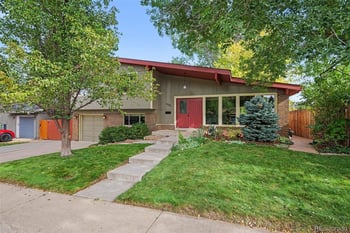
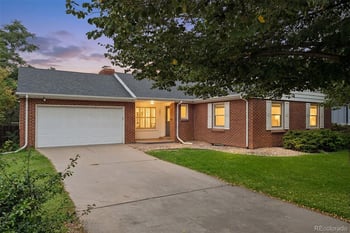
$1,549,000
Active Under Contract
3
Beds
3
Baths
2321
Sqft
0.18
Acres
4807 E 6th Avenue Pw, Denver, CO 80220
MLS#: REC3594132
.jpg)


Two numbers move together on the Front Range: the monthly utility bill and the price a home commands at resale. Lowering one through targeted energy upgrades raises the other, and Colorado's climate, water and rebate programs change which upgrades pay off first.
A lower average utility bill is one of the few numbers a buyer can compare directly across competing listings, and a Front Range home with documented energy upgrades holds an edge over a similar home without them. For expert guidance on smart property upgrades and where to start, Abode is a resource worth reviewing before committing to a project list.
A professional energy audit costs $100 to $500 in the Front Range market and examines insulation, air sealing, HVAC equipment, windows, doors and major appliances, then reports back where the home is losing energy fastest. A DIY option uses a thermal camera or an online calculator to spot obvious gaps, but a professional audit catches issues a homeowner walking through the house would miss, such as an uninsulated rim joist in an older Denver-metro basement.
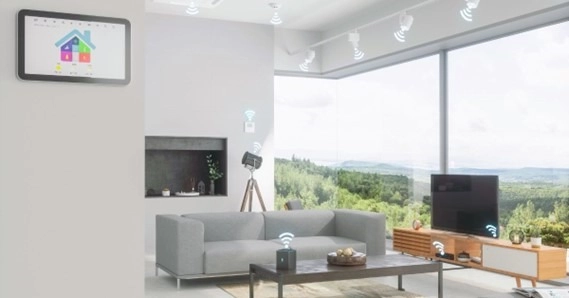
A smart thermostat that adjusts to a household's actual schedule is the single device most homeowners see savings from first, and smart plugs paired with an outlet timer cut power to devices that sit idle but still draw electricity. An energy monitoring system tracks usage room by room in real time, which helps identify which appliance is driving an unexpectedly high bill.
An Energy Star-certified refrigerator uses up to 40% less energy than an older unit, and efficient dishwashers and washing machines cut both water and electricity use. Appliance costs run $500 to $2,000 depending on the unit, and the combined savings across a kitchen and laundry room reach several hundred dollars a year for a household that replaces multiple aging appliances at once.
The Front Range gets close to 300 sunny days a year, which makes daylighting, meaning keeping curtains open during working hours instead of running overhead lights, a real source of savings for most of the year. LED bulbs cost $5 to $20 each and use a fraction of the electricity of incandescent bulbs, and motion sensors in low-traffic rooms such as a laundry room or hallway prevent lights left on by habit.
Double- or triple-pane glass with a low-E coating reduces heat transfer through a Front Range winter and summer alike, and windows facing west take the most benefit from a low solar heat gain coefficient rating given the intensity of afternoon sun at altitude. Window replacement runs $200 to $1,000 per window and returns up to $465 a year in combined heating and cooling savings for a whole-home upgrade.
Solar energy production runs strong on the Front Range given the region's sun exposure, even accounting for Colorado's cold winters and occasional heavy snow load on panels. A typical system costs $10,000 to $30,000 before incentives and saves $600 to $1,200 a year, with federal and state tax incentives reducing the upfront cost and rooftop solar adding measurable appeal for eco-conscious buyers touring a Front Range listing.
An outdated HVAC system is one of the biggest energy costs in a Front Range home, since heating runs for a longer season here than in most of the country. An Energy Star-certified system with a programmable thermostat and zoned heating and cooling costs $4,000 to $15,000 installed and cuts 20% to 40% off heating and cooling costs, with the fastest returns going to households that also seal and insulate before the new system goes in.
Denver Water and most Front Range utilities deliver moderately hard water, and mineral buildup inside a tank or tankless water heater reduces its efficiency over time, which is worth addressing before spending on a new unit. Low-flow showerheads and faucets, a tankless water heater that heats only on demand, and prompt leak repairs together optimize efficiency and ensure a home stays well-sealed against wasted water and energy.
Xcel Energy offers rebates for insulation, efficient HVAC equipment, smart thermostats and heat pump water heaters for Colorado customers, and current rebate amounts and eligibility should be checked directly with Xcel before a project starts, since applying a rebate at purchase lowers the total project cost.
Colorado law limits how far an HOA can restrict solar installations, but most HOAs in communities across Highlands Ranch, Castle Rock and Centennial still require a design review submission for panel placement, window replacement style and any exterior insulation work visible from the street. Submitting that request early keeps a project on schedule.
Solar and battery storage electrical work, most new HVAC installations, and some window and door replacements that alter a structural opening need a permit from the City and County of Denver or the relevant county building department. A licensed contractor pulls the permit as part of the project scope in most cases.
Appraisers can account for energy-efficient features when comparable sales data supports it, and a home with documented upgrades, rebate paperwork and lower average utility bills gives an appraiser more to work with than a home relying on a general claim of efficiency. The preparing and adding value before selling guide covers how to package this documentation for a Front Range listing.
Keep utility bills from before and after each upgrade, rebate confirmations, permit records and any solar production data, then share a simple summary sheet with buyers during a showing. Get started with Abode for a fuller checklist on organizing this paperwork before a home goes on the market.
Start with the energy audit, then work down the highest-return list it produces, which for most Front Range homes means insulation and air sealing first, a smart thermostat second, and windows, HVAC and solar as budget allows. This order captures the fastest savings first and sets up the larger investments to perform better once the home is already sealed and insulated.
The Kenna Real Estate Group helps Front Range owners package energy upgrades into a stronger listing and helps buyers compare utility costs across homes they're touring. Call or text 303-955-4220. A live person answers. Not a robot, not a phone tree. Ready to compare homes now? Search every home for sale in Colorado.
Questions about any home in Colorado? Call or text 303-955-4220. A live person answers.
A professional audit runs $100 to $500 and can save up to 30% on energy bills once the recommended fixes are made. A DIY audit with a thermal camera costs less but misses more.
Yes. The Front Range gets close to 300 sunny days a year, which gives rooftop solar a strong production case even with a cold winter season, especially on a south-facing roof with minimal shading.
Attic insulation and air sealing return the most, since heating makes up the largest share of a Colorado utility bill across a winter season longer than in most of the country.
Yes, for insulation, efficient HVAC equipment, smart thermostats and heat pump water heaters, though amounts and eligibility change year to year, so check current offers before a project starts.
Colorado law limits how far an HOA can restrict solar, but most HOAs still require a design review submission for panel placement and window style, so submit that request early.
Solar and battery electrical work, most new HVAC installations, and structural window changes need a permit from the local building department, pulled by the licensed contractor in most cases.
Appraisers can factor in documented energy upgrades when comparable sales support it, so keep utility bills, rebate paperwork and permit records to share during the appraisal and any showings.
Start with a home energy audit, then address insulation and air sealing first and a smart thermostat second, since those return savings the fastest for most Front Range homes.