.jpg)


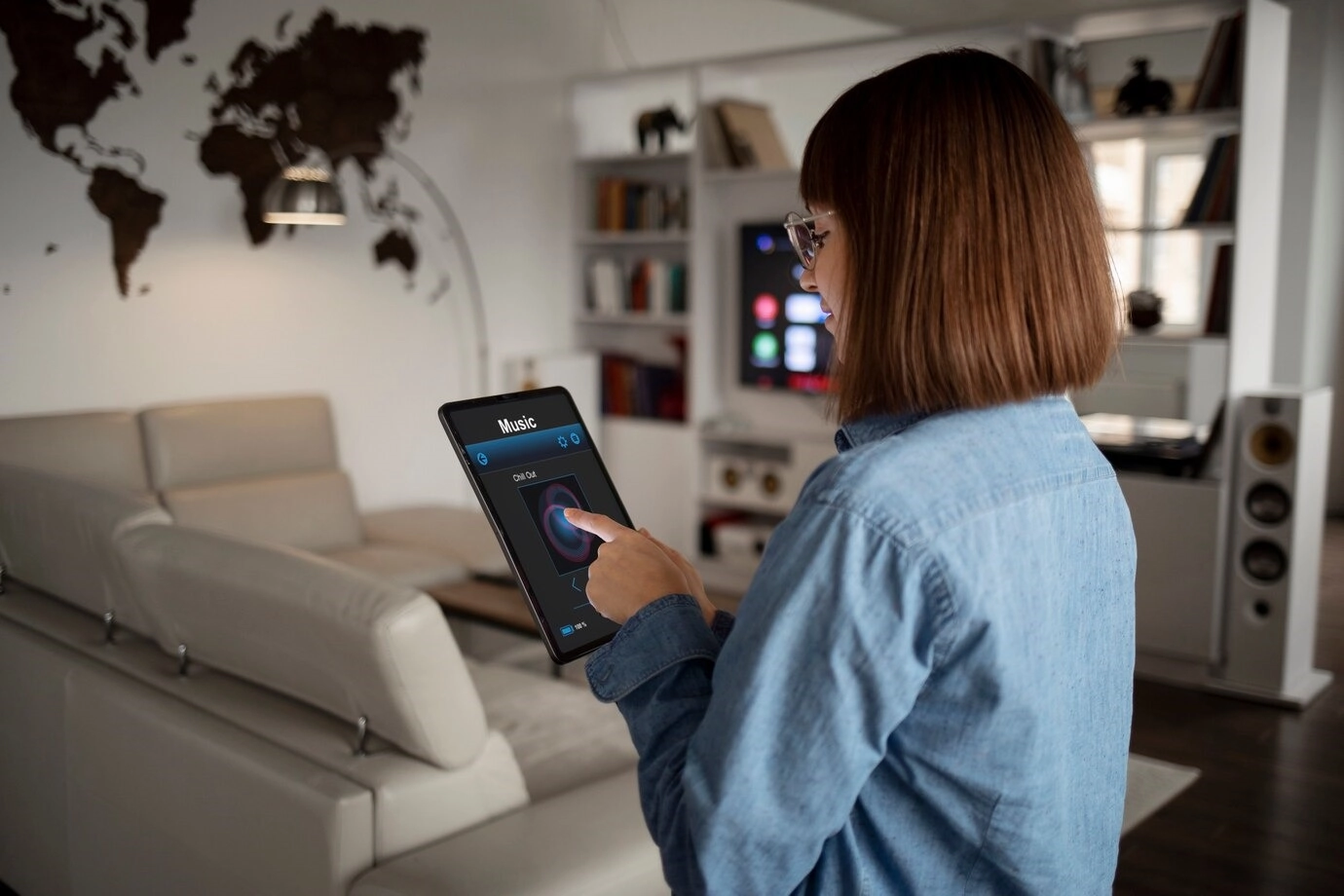
Colorado's nearly 300 days of sun and intense UV at 5,280 feet fade furniture, hardwood floors and artwork faster than a milder climate, and motorized shades that respond to a schedule or sun position protect interiors without a homeowner remembering to adjust blinds by hand every afternoon. Front Range homes with large south- and west-facing windows see the fastest payback on this upgrade.
Why Colorado's UV intensity makes shade automation worth it
UV exposure at altitude runs stronger than at sea level, and unprotected south- and west-facing windows fade hardwood floors, rugs and furniture within a few years of direct exposure. Motorized shades set to lower automatically during peak UV hours protect interior finishes without blocking natural light the rest of the day.
What motorized shades cost for a Denver home
Motorized shades run $400 to $1,200 per window installed, depending on fabric, motor type and whether the window needs a custom size; a whole-home package for 10 to 15 windows runs $6,000 to $16,000. Retrofitting an existing manual shade with a motor kit costs less, around $150 to $350 per window, where the shade hardware already fits.
Do motorized shades lower energy bills
Shades that close automatically during peak summer sun reduce solar heat gain through south- and west-facing glass, cutting the air conditioning load on the hottest Front Range afternoons. In winter, shades that open during sunny daytime hours and close at night add a layer of insulation against heat loss through the glass overnight.
How west-facing afternoon sun affects a Colorado home
West-facing rooms on the Front Range take direct, intense sun for several hours every clear afternoon, which is most days of the year, and that exposure overheats rooms and fades interior finishes faster than any other orientation. Automated shades that close before peak afternoon heat solve this without a homeowner tracking the sun's position.
Does HOA approval apply to visible window treatments
Some Front Range HOAs regulate window treatment color or backing visible from the street, particularly in communities with a uniform exterior appearance standard, though most do not restrict the shade type itself. Check the HOA's architectural guidelines before installing shades with a colored or patterned backing on street-facing windows.
What fabric resists fading at altitude
Fiber-dyed and UV-stabilized shade fabrics hold color longer under Colorado's intense sun than standard printed fabrics, which fade unevenly within a year or two of daily exposure on south- and west-facing windows. Motorized shades built with UV-rated fabric protect both the window treatment itself and the interior finishes behind it; homeowners are free to use any provider that stocks UV-stabilized fabric.
Do motorized shades work during a power outage
Battery-powered and solar-charged shade motors keep working through a power outage since they do not depend on home electrical service, while hardwired shade systems need backup power or a manual override to operate without electricity. Confirm which power type a system uses before installation if outage reliability matters.
Motorized shades versus manual blinds on cost
Manual blinds and shades cost less upfront, running $100 to $400 per window installed, but motorized versions pay that difference back in UV protection for floors and furniture plus energy savings over several years, especially on hard-to-reach windows above stairwells or high in a great room. Home automation for window coverings also adds convenience for windows too tall to reach with a manual wand.
Does automation help manage a whole-home shade schedule
A smart shade system on a hub or app lets a homeowner set different schedules by room orientation, closing west-facing shades before peak afternoon sun while leaving north-facing windows open all day. Motorized shades paired with an app-based automation platform give room-by-room control without a homeowner manually adjusting a dozen windows twice a day.
Do motorized shades add resale value
Smart home features, including motorized shades, show up as a selling point in listing descriptions and appeal to buyers who value convenience and UV protection for hardwood floors, though shades alone rarely drive price the way a kitchen or bathroom remodel does. The Preparing and Adding Value Before Selling guide covers which smart home features buyers actually ask about.
Installation timeline for motorized shades
Standard motorized shades install in 1 to 2 days for a whole-home package once fabric and hardware arrive, though custom fabric orders add 3 to 6 weeks of lead time before installation can start.
Is there a rebate for smart shades in Colorado
Xcel Energy's rebate programs focus mainly on insulation, HVAC and window replacement rather than shades specifically; check the current program list directly with Xcel Energy before assuming a shade purchase qualifies.
Motorized shades on south-facing great rooms
A south-facing great room with tall windows collects sun through most of the day in every season on the Front Range, not just summer afternoons, so shades on a schedule that adjusts by season rather than a fixed daily time protect furniture year-round without cutting off welcome winter light. Homes with two-story window walls benefit most from motorization simply because the top sections sit out of reach for a manual wand or cord.
Room-by-room priorities for a Front Range shade retrofit
Homeowners retrofitting shades on a budget should prioritize west-facing bedrooms and living rooms first, since that orientation combines the most intense afternoon UV with the rooms where fading furniture and flooring show fastest. North-facing rooms with minimal direct sun exposure can wait, or use simpler manual shades instead.
Motorized shades and home security while traveling
A shade schedule that raises and lowers on a pattern while a homeowner travels signals occupancy the same way a light timer does, which matters for Front Range homes that sit empty during ski season or summer trips. Pairing shade automation with existing smart home systems adds this without a separate device.
Choosing between battery, solar and hardwired motors
Battery motors work in any window without new wiring but need periodic recharging; solar-charged motors eliminate that maintenance on south- or west-facing windows with strong sun exposure, which describes most Front Range homes; hardwired motors need an electrician during installation but never need battery attention. New construction and full remodels are the easiest point to run hardwired power to window locations.
Pairing motorized shades with a whole-home energy plan
Shades work alongside insulation and efficient windows rather than replacing them; a Front Range home with single-pane windows still loses significant heat through the glass regardless of what covers it during closed hours. Homeowners planning a broader energy upgrade should sequence window and insulation work first, then add shade automation as the layer that manages daily solar gain on top of that base performance.
Where to go next
- Preparing and adding value before selling
- Why windows are an underrated upgrade in Colorado
- Best window replacement companies in Denver
- Explore homes for sale in Boulder
- Explore homes for sale in Centennial
- Talk to a Kenna Real Estate Group agent
Talk to the Kenna Real Estate Group
The Kenna Real Estate Group points Front Range buyers and sellers to which smart home upgrades protect a home's finishes and which ones buyers actually notice. Call or text 303-955-4220. A live person answers. Not a robot, not a phone tree. Search every home for sale in Colorado.
Homes for sale that match this post
- Homes with Wood Floors in Denver
- Homes with Solar Panels in Denver
- HOA Rules and Fees Guide in Denver
- Homes with Gourmet Kitchen in Denver
- New construction: guide
- All homes for sale in Denver
Guides
Questions about any home in Colorado? Call or text 303-955-4220. A live person answers.