New - 1 Hour Ago

$1,230,000
Coming Soon
3
Beds
3
Baths
4243
Sqft
0.1
Acres
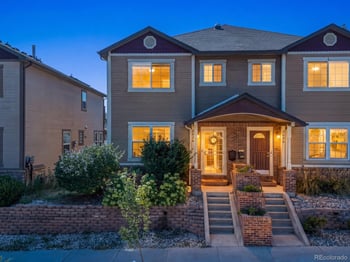
9720 E 32nd Ave, Denver, CO 80238
MLS#: REC9979876
.jpg)



Colorado legalized recreational marijuana for adults 21 and older under Amendment 64 in 2012, and more than a decade later it still shapes how homes get bought, sold, leased, and inspected across the Front Range. The biggest effects show up in home cultivation rules, landlord and HOA restrictions, and what a buyer's inspector looks for in a former grow property.
Yes, within limits. Colorado restricts home cultivation to a set number of plants per residential property, regardless of how many adults live there, and local cities and counties can add their own rules on top of the state limit. Anyone buying a home with an existing grow setup, or planning to build one, should confirm the current plant limits and any local permit requirements before relying on the space. Our complete guide to legally growing cannabis at home in Colorado covers the current rules in detail.
Yes. Marijuana remains illegal under federal law, so Colorado landlords can lawfully prohibit smoking, vaping, or cultivating it inside a rental unit even though the activity is legal under state law. Most Front Range leases now include an explicit marijuana clause. Tenants who want to grow or consume should check the lease language before signing rather than assume state legalization overrides the landlord's contract.
Yes, and most Colorado HOAs do. An association's governing documents can prohibit cultivation, restrict odor, and require remediation if a grow setup damages shared systems like ventilation or electrical infrastructure. A buyer looking at a townhome or condo with an existing grow room should request the HOA's covenants and confirm the setup is compliant before closing.
A residential property previously used for cultivation, especially a larger unlicensed or improperly ventilated operation, can carry real repair costs: excess humidity and mold in wall cavities, electrical systems overloaded by grow lighting, and modified ductwork. A qualified home inspector can spot these signs in most cases. Buyers looking at a former grow property should budget for professional mold and electrical inspections in addition to a standard home inspection, and sellers should disclose known grow history on Colorado's seller disclosure form.
Colorado sellers are required to disclose known material defects, and prior cultivation that caused mold, electrical, or structural issues qualifies. Even where the growing itself was legal, the physical effects on the home are a disclosure item. A seller unsure of what to disclose should talk to their agent about how the property's specific history should be documented on the standard Colorado disclosure form.
Colorado cities and counties set their own zoning for dispensaries, cultivation facilities, and manufacturing, and those rules vary block by block in Denver, Aurora, and other Front Range cities. Proximity to a licensed dispensary has not shown a consistent negative effect on Denver metro resale values in recent years; the market has largely normalized since the years right after legalization. Buyers who have specific concerns about a block's zoning can check the city or county's zoning map before writing an offer.
A lender underwriting a conventional or government-backed loan cares about the home's current condition, not its past legal use of marijuana. If an inspection turns up mold, electrical damage, or ventilation problems tied to a former grow, that can affect appraised value or trigger repair requirements, the same as any other deferred maintenance would. The marijuana history itself is not the issue; the physical condition it left behind is.
Licensed dispensaries and cultivation operators sign long-term commercial leases and pay premium rent for compliant space, since build-out and licensing costs are high and relocating is expensive. Commercial landlords considering a cannabis tenant should confirm local zoning allows the specific use at that address and that the lease addresses security, ventilation, and utility upgrades the tenant will need.
Persistent odor migrating between units in a multifamily building or HOA community is one of the most common cannabis-related disputes in Colorado real estate. Many condo and apartment governing documents now include odor-control language specifically because of this. A buyer touring a multifamily property should ask directly whether the building or HOA has had odor complaints.
Rural Front Range properties with existing outbuildings, barns, or greenhouses sometimes attract buyers specifically looking for licensed or personal cultivation space, since setting up compliant ventilation and power from scratch is expensive. A property already built out for grow use, like the setups covered in our 2.5-acre marijuana grow home near Denver, can carry a premium for exactly that reason, provided the buyer confirms the licensing and permits transfer or get reissued.
Ask whether the grow was licensed or personal-use, whether the electrical panel was upgraded by a licensed electrician, whether there is a mold remediation or moisture inspection report on file, and whether the HOA (if any) cited the property for violations. Bring these questions to your agent before the showing so the inspection gets scoped correctly.
Get a mold and moisture inspection and an electrical inspection before listing, fix what needs fixing, and keep the paperwork to hand to buyers. A property that shows up clean on both fronts, with documentation, sells at a normal pace; one that surfaces problems during a buyer's inspection can lose weeks of negotiating position and, sometimes, the deal itself.
Colorado's broader housing market has been shaped far more by population growth, interest rates, and inventory than by marijuana legalization on its own; any neighborhood-level effect from proximity to dispensaries has largely faded as the industry matured and normalized across the Denver metro. Sellers and buyers today should weigh a home's condition and location the same way they would evaluate any other property.
Yes, if the lease prohibits cultivation and the tenant grows anyway, that is a lease violation the landlord can enforce through the standard eviction process, the same as any other breach of the lease terms. Tenants who want to grow legally should negotiate that use into the lease before signing rather than assume state legalization overrides a clear lease prohibition.
This article is general information about Colorado marijuana and real estate law, not legal advice for a specific property. Talk with a Colorado attorney about disclosure obligations or cultivation limits before you buy, sell, or lease.
Buying or selling a home with any history of cannabis cultivation takes an agent who knows what a Colorado inspector, appraiser, and HOA will each flag before it becomes a closing problem. Call or text 303-955-4220. A live person answers. Not a robot, not a phone tree. Ready to look? Search every home for sale in Colorado.
Questions about any home in Colorado? Call or text 303-955-4220. A live person answers.
Yes, within state-set plant limits per residential property, and local cities and counties can add their own rules on top of the state limit.
Yes. Marijuana is still illegal under federal law, so landlords can lawfully prohibit smoking, vaping, or growing it inside a rental unit.
Yes. Budget for a mold and moisture inspection and an electrical inspection in addition to a standard home inspection, since grow operations can leave humidity and wiring issues behind.
Yes, if it caused mold, electrical, or structural issues. Even where the growing was legal, the physical effects on the home are a disclosure item.
Not consistently anymore. The Denver metro market has largely normalized since the years right after legalization in 2012.
Yes. Most Colorado HOA governing documents can prohibit cultivation and require remediation if a grow setup damages shared systems.
The history itself is not the issue; the lender cares about the property's current condition, including any mold or electrical damage a former grow left behind.