New - 17 Hours Ago
$1,825,000
Active
4
Beds
5
Baths
3300
Sqft
0.07
Acres
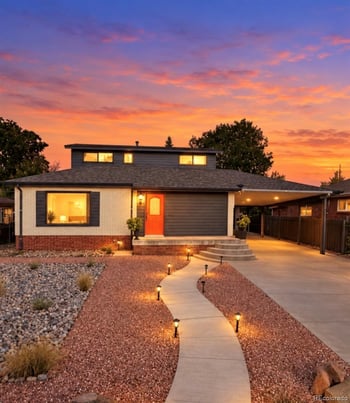
1608 S Washington St, Denver, CO 80210
MLS#: REC7038465
.jpg)


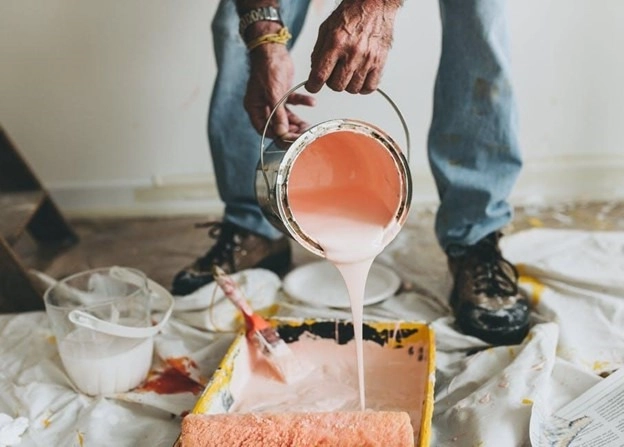
Exterior paint on a Colorado home breaks down 2 to 3 years faster than the national average because of UV intensity at altitude, and interior paint on a 2-story great room shows fading and cracking sooner than the same wall at sea level. Front Range homeowners who repaint on a fixed schedule protect resale value; homeowners who wait for visible damage pay more for prep work and lose curb appeal while the home sits on the market.
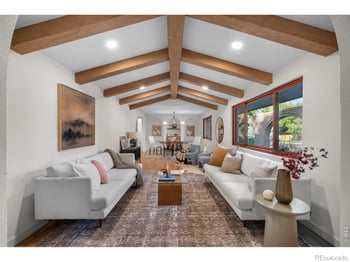
Denver gets close to 300 days of sun a year, and UV exposure at 5,280 feet runs stronger than at sea level. South- and west-facing walls chalk and fade within 4 to 6 years on a standard acrylic finish, versus 7 to 10 years in a less intense climate. A high-ceiling great room with west-facing clerestory windows takes the same UV exposure on the interior wall paint, so those walls fade unevenly compared to shaded rooms.
Front Range humidity sits in the 20% to 40% range most of the year. Paint skins over fast in dry air, which traps solvent underneath and leads to cracking, alligatoring and poor adhesion within a year or two if a crew paints too fast between coats. A professional crew working in Colorado builds in longer dry times between coats, not shorter ones, even though the surface looks ready sooner.
Hail season runs from spring through September on the Front Range, and hailstones the size of golf balls hit several times most years. Hail chips paint down to bare wood or siding on impact, and those bare spots absorb moisture that lifts paint around the damage over the following season. A hail-damaged exterior needs spot priming and repainting within a few months, not a full repaint cycle later, or the wood underneath starts to rot.
Front Range days that swing 40 degrees between morning and afternoon, common in the shoulder seasons, stress paint film through repeated expansion and contraction. That stress shows up first at caulk lines and trim joints, where paint cracks along the seam before it fails on a flat wall. Homeowners who re-caulk trim every 3 to 5 years and repaint over fresh caulk avoid most of this cracking.
A 2-story great room with 18- to 24-foot ceilings runs $1,800 to $4,500 to repaint in the Denver metro, depending on scaffolding or lift rental versus extension-pole work, and whether the crew needs to match a specialty finish. Exterior repaints on a 2,000 sq ft Front Range home run $4,500 to $9,000 for a full-house job with prep, primer and two coats.
Satin and low-luster finishes hide the touch-up lines that show after UV fading better than flat paint, and they resist chalking longer on exterior walls. High-gloss trim paint shows hairline cracking from temperature swings faster than satin trim paint. For a vaulted great room, a matte or eggshell finish on the upper walls reduces glare from afternoon sun without showing every roller mark from a lift.
Most Front Range HOAs and metro districts require exterior color approval before a repaint, even a repaint in the same color, and many keep an approved palette on file. Homeowners in Highlands Ranch, Castle Rock, Parker and similar planned communities should pull the HOA's paint policy before scheduling a crew, since a repaint in an unapproved color can trigger a violation notice and a forced repaint at the homeowner's cost.
Colorado's seller disclosure form asks about known defects in exterior surfaces, and visible peeling, cracking or water staining tied to failed paint counts as a defect a seller should disclose. Sellers who repaint problem areas before listing avoid that disclosure conversation and get a cleaner inspection.
Buyers and their agents flag chalky, faded or peeling exterior paint as a near-term cost during a showing, and appraisers note deferred exterior maintenance as a condition factor. A fresh, HOA-approved exterior repaint in the 12 months before listing is one of the highest-return updates on the Front Range, because it fixes the first thing a buyer sees from the street. The Preparing and Adding Value Before Selling guide covers which exterior updates return the most at closing.
Colorado's standard contract gives buyers an inspection objection deadline, a set number of days after the contract date, to raise repair requests including paint and wood-rot issues found during inspection. Sellers who address peeling paint and exposed wood before listing reduce the odds of a repair credit request landing during that window. The How to Sell a House in Colorado guide walks through the objection deadline and typical repair negotiations.
A 2-story great room needs scaffolding, a rented lift, or an extension system rated for the ceiling height; a standard ladder does not reach an 18-foot peak with proper control. Most Front Range painting crews price lift rental separately from labor, so ask for that line item broken out when comparing quotes.
Exterior paint needs surface and air temperatures above roughly 50 degrees for several hours during application and drying, which points most Front Range exterior jobs to late spring through early fall, working around hail season with a plan to touch up storm damage afterward. Interior painting works any time of year since indoor humidity and temperature stay controlled.
Homes near heavily treated roads pick up mag chloride residue in splash zones on lower siding and trim, and that residue holds moisture against the paint film, speeding up peeling in that band. Rinsing lower exterior walls each spring after the de-icing season removes residue before it damages the paint.
Quality interior paint in normal living areas lasts 8 to 10 years before it needs a refresh, but high-traffic hallways, kitchens and sun-exposed great-room walls in dry Front Range air show wear closer to 5 to 7 years. Homes with forced-air heat that runs most of the winter also collect more dust film on walls, which dulls the finish faster than the paint itself fails.
Homeowners weighing a full exterior repaint against a partial touch-up before listing should run the numbers against the expected resale return for their neighborhood. The Kenna Real Estate Group builds a Smart Pricing Report that shows which updates, including exterior paint, return the most in a specific Front Range ZIP code before a seller commits to the expense.
The Kenna Real Estate Group helps Front Range sellers decide which exterior updates, including paint, pay off before listing and which ones to skip. Call or text 303-955-4220. A live person answers. Not a robot, not a phone tree. Search every home for sale in Colorado.
Questions about any home in Colorado? Call or text 303-955-4220. A live person answers.
Plan on a full repaint every 6 to 9 years on the Front Range, with spot touch-ups after any hail season that leaves visible chips or bare spots.
Yes. UV intensity at 5,280 feet runs stronger than at sea level, and south- and west-facing walls chalk and fade within 4 to 6 years on a standard finish.
A 2,000 sq ft home runs $4,500 to $9,000 for prep, primer and two coats, depending on siding condition and trim detail.
Most Front Range HOAs and metro districts require a color approval form before any repaint, even a repaint in the existing color.
Hail chips paint down to bare material, and those spots need priming and repainting within a season or the exposed wood starts to rot.
Colorado's seller disclosure form asks about known exterior defects, and visible peeling or water-stained paint should be disclosed.
Satin and low-luster finishes hide fading and chalking better than flat paint and resist wear longer in high-UV conditions.
A fresh, HOA-approved exterior repaint is one of the highest-return updates on the Front Range because it is the first thing a buyer sees from the street.