New - 30 Mins Ago

.jpg)


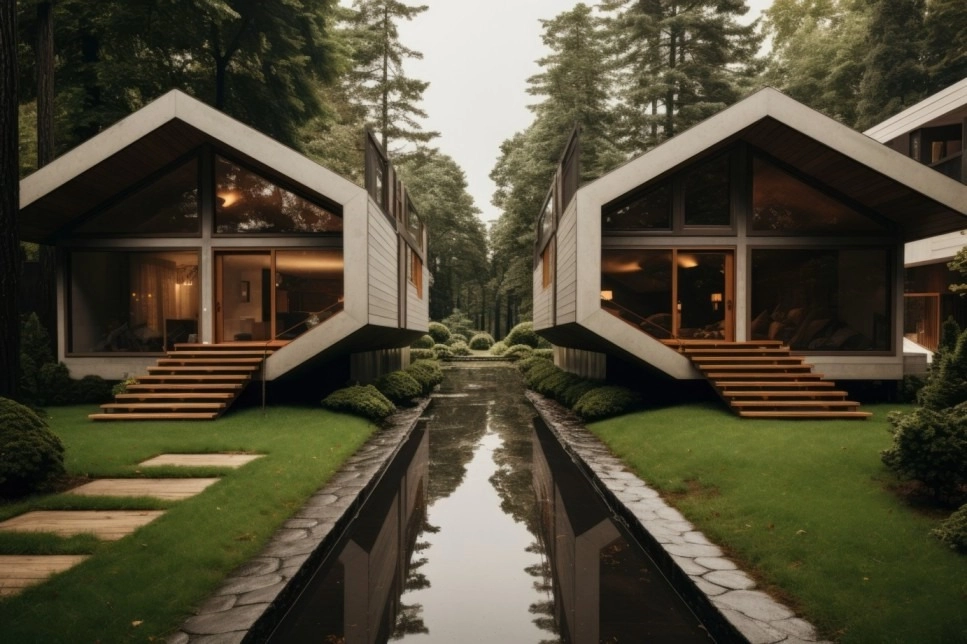
Modular homes, panelized construction and prefab ADUs are the three styles Colorado buyers are actually choosing, and the reason is timeline: a factory-built module skips months of weather delays that a Front Range site-built project runs into during hail season and winter framing. Prefab construction styles built off-site, from full modular houses to compact ADUs, are shipped and craned into place in days rather than months.
Modular homes built to the same International Residential Code as a site-built house, panelized wall-and-roof systems assembled on-site, and prefab accessory dwelling units for a backyard or garage-lot are the three styles seeing the most Front Range demand. Each fits a different lot and budget, from a full primary residence to a rental unit behind an existing house.
Yes. A modular home is built to the same International Residential Code as a site-built house and is placed on a permanent foundation, while a manufactured home is built to a separate federal HUD code and is titled on a different category. Colorado counties treat the two differently for permitting, financing and property taxation, so confirm which category a specific home falls into before you buy.
Yes. Denver's citywide zoning update allows an accessory dwelling unit on most residential lots, and a factory-built prefab unit meeting the same building code as a site-built ADU qualifies. See our Denver ADU, zoning and historic district guide for lot eligibility and setback rules before you order a unit.
A modular home runs $150 to $300 per square foot delivered and set on a Front Range lot, including foundation, site work and utility connections, which lands close to site-built costs once you add those items to the factory price. A prefab ADU runs $100,000 to $250,000 depending on size and finish level.
Yes. A modular or panelized home built for Colorado has to be engineered to the ground snow load required by the local building code, which is higher in the foothills and mountain communities than in Denver proper. A factory building a unit for shipment to Colorado needs the local snow-load spec before manufacturing starts, not after.
Modules built at lower elevation and shipped to a Front Range or mountain site need engineering for the destination's snow load, wind exposure and, for any gas appliance included, high-altitude derating above roughly 5,000 feet. Confirm with the manufacturer that the unit is engineered and equipped for the specific elevation of your lot, not a generic Colorado spec.
A modular home needs the same building permit, foundation permit and utility connection permits as a site-built home in the county or city where it lands, plus state factory inspection documentation showing it meets code. Manufactured homes have a separate, simpler permitting path in most jurisdictions; confirm which applies before you order.
A modular home on a permanent foundation qualifies for standard mortgage financing the same way a site-built home does in most cases, while manufactured homes sometimes need chattel financing or specialized loan programs. Talk to a lender early, since the financing path shapes the construction timeline and the required foundation type.
A modular home on a permanent foundation, built to the same code as a site-built house, appraises and resells the same way a comparable site-built home does in nearly every case. A manufactured home on a separate titling category resells in a smaller buyer pool with different financing, which affects both price and time on market.
A panelized home ships wall, floor and roof panels to the site for assembly by a local crew, while a full modular home ships completed room modules that are craned into place. Panelized construction gives more on-site customization; modular construction is faster to close in and costs less in most cases for a standard floor plan.
A tiny home on a permanent foundation, meeting minimum square footage and building code requirements, can qualify as an ADU under Denver's current zoning; a tiny home on wheels is treated differently and is not permitted as a permanent residence on a standard residential lot in most cases. Confirm the specific classification with Denver's zoning office before ordering a unit.
Factory-built modules are assembled in a controlled environment with tighter air sealing than most site-built framing crews achieve, which helps at altitude where big daily temperature swings punish an under-sealed home. Research on how construction quality affects indoor temperatures supports what Front Range owners report: a well-sealed factory-built envelope holds a more even indoor temperature through a 40-degree day-to-night swing than a leaky older home.
Many Front Range HOAs and metro districts have design guidelines that apply the same standard to a modular home as a site-built one, exterior materials, roof pitch and elevation requirements, and some restrict manufactured homes outright. Check your specific HOA's covenants before ordering a unit, especially for an ADU behind an existing house; our Denver HOA rules and fees guide covers how that review process works.
Factory production runs 8 to 16 weeks depending on the manufacturer's backlog, while site work, foundation, utility hookups and final assembly adds another 4 to 10 weeks. Total timeline from order to move-in runs 4 to 7 months in most cases, faster than a comparable site-built home during a Front Range construction season when crews and materials are in high demand.
Weighing a modular build, a prefab ADU, or an existing site-built home on the Front Range, the Kenna Real Estate Group can pull lots and comparable modular sales in your target area. Call or text 303-955-4220 A live person answers. Not a robot, not a phone tree. Or search every home for sale in Colorado to talk through your options.
Questions about any home in Colorado? Call or text 303-955-4220. A live person answers.
A modular home is built to the same International Residential Code as a site-built house and sits on a permanent foundation. A manufactured home is built to a separate federal HUD code and is titled differently, which affects permitting, financing and resale.
Yes. Denver's citywide zoning allows an accessory dwelling unit on most residential lots, and a factory-built unit that meets the same building code as a site-built ADU qualifies.
A prefab accessory dwelling unit runs $100,000 to $250,000 on the Front Range depending on size and finish level, including foundation and utility connections.
Yes. It has to meet the ground snow load required by the local building code where it will sit, which is higher in the foothills and mountains than in Denver proper.
A modular home on a permanent foundation qualifies for standard mortgage financing the same way a site-built home does in most cases. A manufactured home sometimes needs chattel or specialized financing instead.
Factory production runs 8 to 16 weeks, and site work adds another 4 to 10 weeks, for a total timeline of roughly 4 to 7 months from order to move-in.
A tiny home on a permanent foundation can qualify as an ADU under current zoning; a tiny home on wheels is treated differently and is not permitted as a permanent residence on a standard lot in most cases.
A modular home on a permanent foundation, built to the same code as a site-built house, appraises and resells the way a comparable site-built home does in nearly every case.


