New - 1 Day Ago

$759,000
Coming Soon
2
Beds
2
Baths
2092
Sqft
--
Acres
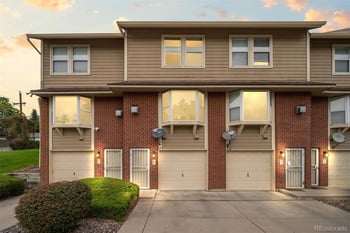
909 N Logan St #A, Denver, CO 80203
MLS#: REC5753566
.jpg)



Leading indicators tell a Colorado investor where the market is heading before prices move. Lagging indicators confirm what already happened. Buyers who wait for full confirmation from lagging data pay a premium for certainty; sellers who price only off leading hype price on hope. Using both together is what separates a reactive decision from a planned one.
Leading indicators move before prices and closed sales change, giving buyers and investors a head start. In the Denver metro, the clearest leading signals are mortgage application volume, new listing counts, and buyer inquiry rates. When mortgage applications rise for several weeks in a row, competition for available Front Range inventory follows within weeks, not months, as a rule.
For buyers, leading indicators point to neighborhoods before demand fully catches up. Watch for new transit or infrastructure investment, rezoning and development approvals, and rising buyer inquiry volume in a specific ZIP code. Rising mortgage approval rates are another leading signal: as more buyers qualify, competition for the same inventory increases, which is the cue to move before asking prices adjust upward.
Sellers benefit most from lagging indicators because they confirm real strength instead of a temporary spike. If comparable homes on your street have consistently sold above asking price for three months, that is solid lagging evidence the market is genuinely strong, not just briefly overheated, and you can price with confidence. Average days on market is a second useful lagging indicator: homes selling in under two weeks confirm real buyer demand right now, while a longer average signals the market has room to negotiate.
Buyers commonly wait for lagging data to feel comfortable, which means entering the market after prices have already been pushed up by competition, and paying more for the same confirmation everyone else already had.
Sellers commonly price off leading signals alone, listing a home based on early market hype that never fully materializes, then ignore the lagging data that would have kept expectations realistic once the trend cools.
The steadier approach: use leading indicators to spot the opportunity early, use lagging indicators to confirm the trend is real, and balance both instead of acting purely on one.
| Factor | Leading indicators | Lagging indicators |
|---|---|---|
| Timing | Show what happens next | Verify what already occurred |
| Purpose | Plan strategy ahead of the shift | Confirm and validate a trend |
| Example | Mortgage applications rising | Published closed sale prices |
| Best used by | Buyers trying to get in early | Sellers pricing with certainty |
| Risk | Can produce a false signal | Arrives too late to act on directly |
| Data source | Mortgage approvals, new listings, inquiry rate | County records, sold prices, closed transaction volume |
A well-run real estate agency website publishes days-on-market and price-per-square-foot by neighborhood on a regular cadence, the same discipline the Kenna Real Estate Group applies to its own Colorado market reports. On the landlord side, professional landlord support services track mortgage-application volume as a leading signal the same way Front Range investors watch national mortgage data before a rate move.
Investors buying rental property use both indicator types differently than homebuyers do. A leading indicator for a rental investor is rent-growth trend data by submarket, published by local property management associations, plus building permit filings that signal how much new supply is coming online in the next 12 to 18 months. A lagging indicator is actual closed sales of comparable rental properties, plus published average rent by submarket after leases have already turned over.
An investor evaluating a Front Range duplex or fourplex checks whether permit activity nearby signals a wave of new competing units before locking in a purchase price, then confirms the deal still works using already-closed comparable rental sales and current occupancy data rather than optimistic rent projections alone.
A drop in mortgage application volume or new listing counts over several consecutive weeks is the leading signal of a cooling market, showing up before closed prices soften. Buyers who see this shift can afford to wait rather than rush, and sellers who see it early can adjust pricing strategy before their home sits and requires a reduction. Waiting for the lagging confirmation, a string of price cuts across a neighborhood, means reacting to a slowdown that started weeks earlier.
An investor evaluating a Denver metro property checks leading data first: is inquiry volume rising in this ZIP code, are new listings thinning out, are mortgage applications trending up. That identifies the opportunity. Then the investor confirms with lagging data: have comparable sold prices actually moved, has days on market actually shortened. Only when both line up does the signal become a decision instead of a guess.
The Kenna Real Estate Group tracks both leading and lagging data across the Front Range every week and puts it in plain terms for buyers, sellers and investors deciding when to move. Call or text 303-955-4220. A live person answers. Not a robot, not a phone tree. Search every home for sale in Colorado to see today's inventory firsthand.
Questions about any home in Colorado? Call or text 303-955-4220. A live person answers.
Mortgage application volume is the most watched leading indicator. When applications rise for several weeks, buyer demand and prices in that market follow within weeks, as a rule.
Check lagging data: have comparable homes on the same street sold above asking price for at least a couple of months, and is average days on market under two weeks. Both together confirm real demand rather than a short spike.
Yes. A rise in mortgage applications or new listings can fade before it turns into closed sales, which is why lagging data is used to confirm the trend before making a pricing or offer decision.
Watch for rising buyer inquiries, new infrastructure or development approvals, and increasing mortgage approval rates in a specific neighborhood, all of which tend to show up before asking prices catch up.
Waiting for full lagging confirmation before acting, which means entering the market after competition has already pushed prices higher.
Pricing a home off early leading hype instead of confirming the trend with lagging data like actual closed comps, which risks an overpriced listing that sits.
Weekly is realistic for an active investor, since leading indicators like new listings and inquiry volume shift over a matter of weeks, not months.
The Kenna Real Estate Group's Colorado market reports track both figures by neighborhood on an ongoing basis for buyers, sellers and investors.