New - 2 Days Ago
.jpg)


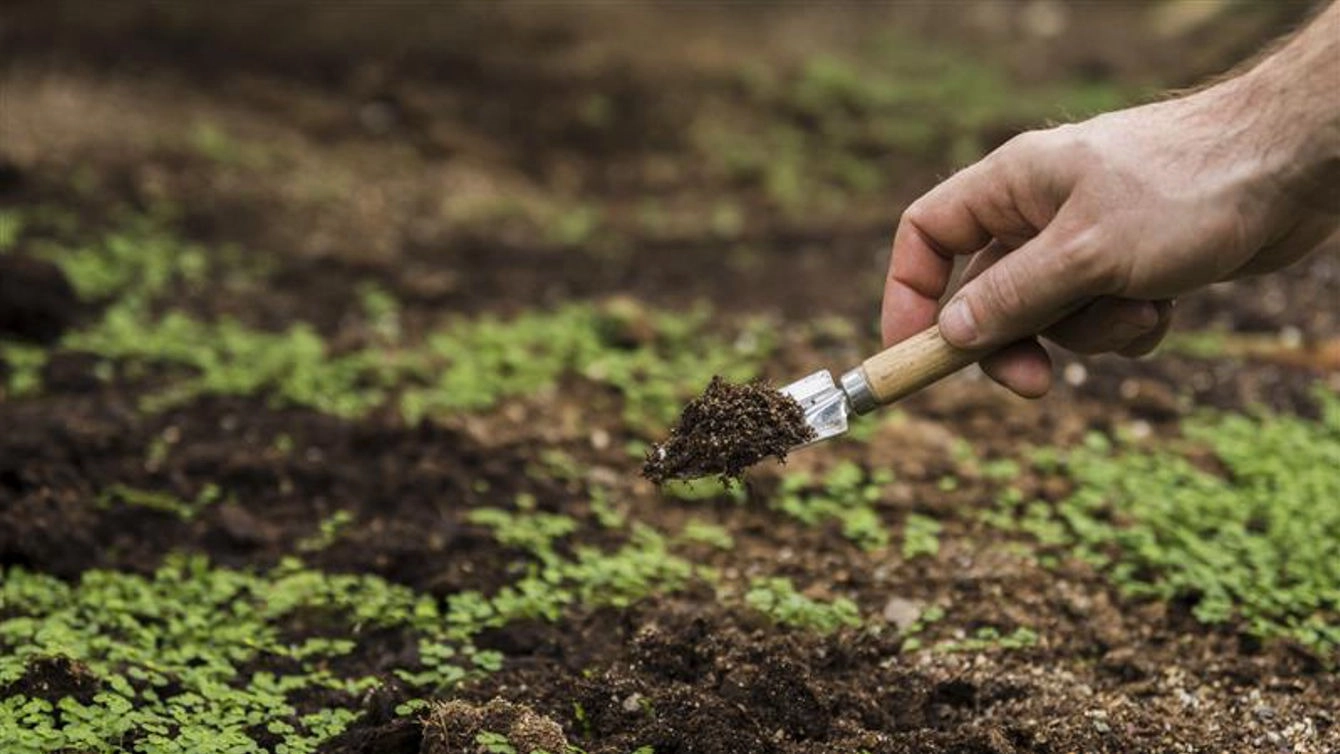
Soil is the part of a Colorado landscape project homeowners skip and contractors underprice, and it is the reason so many yards, patios and even foundations move within a few years of installation. Most of the Front Range sits on expansive clay and bentonite soil that swells when wet and shrinks when dry, and every planting, drainage and hardscape decision should start with a soil test, not a design sketch.
Because the soil under most Denver metro lots is not neutral, it is active. Expansive clay changes volume with moisture, and that movement is what cracks pavers, tilts fence posts and stresses new plantings before their roots ever get established. A design that ignores the soil report is a design that gets redone within a few seasons.
Heavy clay and, in parts of the Front Range, bentonite clay specifically, both known for swelling significantly when they take on water and shrinking hard when they dry out. Compaction from construction makes it worse: builders grade and compact the topsoil during home construction, which leaves many new lots with poor drainage and almost no organic matter to start.
A basic soil test checks pH, organic matter, nutrient levels and texture (how much clay, silt and sand you actually have), and runs $30 to $75 through a local lab. For anything structural, a patio, retaining wall, pool shell or addition, a geotechnical soil report from an engineering firm is the right test; it measures expansion potential and bearing capacity and runs a few hundred to a couple thousand dollars depending on the scope. We asked the team at Way to Go Builders what separates a good landscape plan from a costly redo, and soil testing before design was the first answer every time.
Work 3 to 4 inches of compost into the top 6 to 8 inches of soil before planting; that single step is the highest-value amendment for Front Range clay. Avoid adding sand to clay soil, it can create a concrete-like texture instead of loosening it. For planting beds, raised beds with imported topsoil sidestep the clay question for vegetables and delicate perennials, at $15 to $30 per bag or $150 to $400 for a bulk delivery on an average bed.
| Soil task | Typical cost | Why it matters here |
|---|---|---|
| Basic soil test (pH, nutrients, texture) | $30 to $75 | Confirms clay content and nutrient gaps before you plant |
| Geotechnical soil report | $300 to $2,000+ | Required for patios, retaining walls, additions and pools |
| Compost amendment, average lot | $400 to $1,200 | Improves drainage and lets roots establish in clay |
| Raised bed with imported soil | $150 to $400 per bed | Skips clay amendment entirely for food gardens and perennials |
Yes, and it is one of the most common hardscape complaints on the Front Range. A patio poured directly on unamended, uncompacted clay moves with every wet-dry cycle, and that movement is what opens joints, cracks pavers and tips a walkway out of level within a few years. A proper base, compacted gravel and sand set to the right depth for our soil, prevents most of it.
Yes. Retaining walls on the Front Range fail from poor drainage behind the wall more than from the wall material itself. Clay soil holds water against the wall and adds hydrostatic pressure that timber, block and even engineered walls are not built to resist without a drain system behind them. Any wall over 4 feet should have engineered drainage and, in most jurisdictions, a permit.
Most Front Range soils run alkaline, pH 7.5 to 8.5, which is higher than many ornamental plants prefer and is part of why imported, lower-elevation plant varieties struggle here. A soil test tells you your actual number; amending with sulfur or compost over a season or two can shift pH modestly, but the more reliable fix is choosing plants bred for alkaline clay in the first place.
Grade every bed and hardscape surface away from the foundation at a minimum slope, and route downspouts at least several feet from the house rather than letting water pool near the walls. Clay soil drains slowly, so a French drain or dry well matters more here than in sandy-soil regions, and skipping it is how a wet spring turns into a wet crawlspace.
Yes, and this is the connection buyers and sellers both need to understand. The same clay that heaves a patio can heave a slab foundation if moisture around the perimeter is not managed. Consistent grading, gutters and downspouts that move water away from the house, and beds that do not pond against the foundation protect both the landscape and the structure underneath it.
Cracked patios, tilted fence posts, standing water in beds and a slab with visible cracking all trace back to soil and drainage, and a Front Range inspector knows to look for them. Fixing drainage and regrading before you list answers the question before the inspection raises it.
Till and amend the top 4 to 6 inches with compost before laying sod or seeding; skipping this step is the single biggest reason new lawns struggle in their first year on Front Range clay. Budget $0.50 to $1.50 per square foot for the amendment step alone, on top of the sod or seed cost.
Yes, and it runs the opposite direction from what most homeowners assume. Turf needs a smooth, evenly amended bed that holds moisture near the surface for shallow grass roots. A xeriscape bed needs sharper drainage below the planting depth so native and drought-tolerant roots do not sit in wet clay after a heavy spring storm; many xeriscape installs blend coarse sand or gravel into the lower soil profile for exactly that reason, on top of the compost worked into the top layer.
Colorado's seller disclosure form asks directly about known soil, drainage and foundation issues, and a homeowner who has had a patio repaired or a drainage problem fixed should disclose what they know. Buyers and their inspectors find soil movement anyway; disclosing it with the repair records attached is the stronger position at the negotiating table.
Soil and drainage questions come up in almost every Front Range inspection. The Kenna Real Estate Group can walk a seller through what to disclose and what to fix first, or help a buyer read a soil-related repair history before they write an offer. Call or text 303-955-4220. A live person answers. Not a robot, not a phone tree. Or search every home for sale in Colorado right now.
Questions about any home in Colorado? Call or text 303-955-4220. A live person answers.
Heavy clay, and in some areas bentonite clay specifically, that swells when wet and shrinks when dry. Construction grading also strips much of the organic matter and drainage from a new lot.
A basic pH, nutrient and texture test runs $30 to $75. A geotechnical report for a patio, wall, pool or addition runs a few hundred to a couple thousand dollars depending on scope.
Work 3 to 4 inches of compost into the top 6 to 8 inches of soil. Avoid adding sand, which can turn clay into a concrete-like texture instead of loosening it.
Yes. Poor soil prep and a missing compacted base are the leading cause of cracked pavers and heaved walkways on the Front Range.
Yes, mostly through drainage. Clay soil holds water against a wall and adds pressure the wall structure is not built to resist without a drain system behind it.
Most Front Range soils run alkaline, pH 7.5 to 8.5. Choosing plants bred for alkaline clay works better long-term than trying to permanently shift the pH.
Yes, the same clay that heaves a patio can affect a slab foundation if grading, gutters and downspouts do not move water away from the house.
Colorado's seller disclosure form asks about known soil, drainage and foundation issues. Disclosing what you know, with repair records, is the stronger position at the table.