New - 2 Hours Ago
$1,250,000
Active
--
Beds
--
Baths
--
Sqft
0.29
Acres
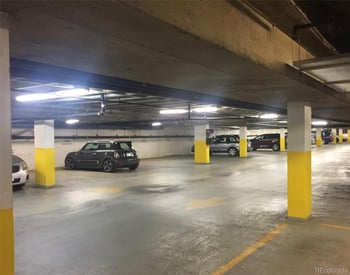
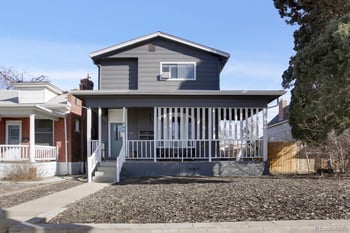
1711 N Lafayette St, Denver, CO 80218
MLS#: REC8837082
.jpg)



A quick-sale house in Colorado is a home priced to move fast, a short sale, foreclosure, or REO (bank-owned) property in most cases, and buying one takes a different process than a standard purchase. The savings can be real, but the timeline, financing, and inspection steps work differently than a traditional Front Range sale.
Quick-sale houses get to market fast for a reason: the seller needs to move quickly, is behind on payments, or the lender has already taken the property back. In Colorado, this covers three main categories: short sales, foreclosures still in process, and REO homes the bank already owns after foreclosure. Each comes with its own timeline and paperwork.
In a short sale, the homeowner owes more on the mortgage than the home is worth, and the lender has to approve selling it for less than the payoff amount. That lender approval step is what makes short sales slower than a standard sale, adding weeks to months in many cases before a signed offer becomes an accepted one. A foreclosure means the lender has taken the property back after the owner stopped paying; once the bank owns it, it is sold as an REO and moves through a more standard closing process, minus the seller disclosures a traditional sale includes.
Short sale and foreclosure listings show up on the same MLS-fed search tools as any other Colorado home, though not every listing site flags them clearly. A local agent with access to Colorado short sale listings and foreclosure and REO inventory can filter for these directly rather than relying on a general search. Some investors also work with companies that specialize in buying distressed homes directly from sellers, which is a separate path from buying through the MLS.
Start with a comparative market analysis, the same pricing research used on any Colorado offer, since a distressed listing price does not always reflect true market value. Submit a clear, written offer with financing terms spelled out. On a short sale, expect the lender's review to take longer than a typical response window, so patience matters more than on a standard sale. On an REO, the bank responds faster in most cases but is less willing to negotiate on price or terms.
The Colorado inspection objection deadline still applies to short sales and foreclosures, and a buyer should use it. Distressed properties carry a higher chance of deferred maintenance, since the seller or bank has frequently not been maintaining the home closely. Seller disclosure requirements are reduced or waived on bank-owned REO sales since the bank never lived in the property, which makes a thorough inspection even more important than on a traditional purchase.
Standard conventional and FHA financing works on most short sales and many REO homes, though a property in poor condition can fail to qualify for a loan until repairs are made, which is where a renovation loan product can help. Confirm financing eligibility before making an offer on a home that needs significant work, since a financing fall-through can cost real time on a distressed sale.
Once an offer is accepted, the closing steps mirror a standard purchase: inspection, appraisal, loan underwriting, and final walkthrough before signing. The main difference is the timeline leading up to acceptance, short sales in particular can take considerably longer to get to a signed contract than to close once terms are agreed.
The discount on a distressed listing varies by property condition, lender motivation, and how competitive the Front Range submarket is at the time. A home priced to reflect real repair needs sells close to that price; a home priced aggressively low to generate a bidding war can close above the list price once multiple buyers compete. Comparing the listing against recent comparable sales, not against the home's estimated repaired value alone, gives the clearest read on whether a specific quick-sale price is a genuine discount.
A first-time buyer with a tight timeline, a lease ending in a set number of weeks, is a poor match for a short sale given the lender approval wait. A first-time buyer with flexible timing and access to a contractor for repair estimates can do well with a foreclosure or REO, since the reduced price offsets the added legwork. Either way, a Front Range agent experienced with distressed sales helps a first-time buyer avoid the most common pitfalls: underestimating repair costs and misreading how competitive the offer needs to be.
Short sales and foreclosures involve extra paperwork, extra parties (the lender's loss-mitigation department on a short sale, an asset manager on an REO), and a negotiating process that plays out differently than a standard sale between two motivated private parties. An agent who has closed distressed transactions in the Front Range before knows which lenders respond quickly, which auction listings are realistic, and how to structure an offer that survives the lender's internal review rather than getting rejected on a technicality.
Once a foreclosure completes and the lender takes ownership, the property becomes an REO listing, managed in most cases by an asset manager working through a local listing agent rather than the bank directly. REO purchases move faster than short sales because there is no owner-approval chain to wait on, but the bank sells strictly as-is and will not make repairs, negotiate credits for most issues found in inspection, or entertain a low-ball offer the way a distressed individual seller sometimes will.
The most frequent mistakes: skipping or shortening the inspection to move faster, underestimating the cost of deferred maintenance on a bank-owned property, and assuming a listed price is final rather than a starting point for lender negotiation on a short sale. Budgeting a repair contingency on top of the purchase price, and lining up financing pre-approval before searching, keeps a buyer from losing a strong deal to a financing delay once an offer is accepted.
The Kenna Real Estate Group has represented buyers and sellers on Colorado short sales and foreclosures for more than two decades and can walk through the process step by step, including access to distressed inventory that is not always easy to find on a general search. For general information on similar processes in other markets, resources like a company that buys houses directly from sellers outline how a direct-purchase sale works outside the MLS. Call or text 303-955-4220. A live person answers. Not a robot, not a phone tree. Or search every home for sale in Colorado.
Questions about any home in Colorado? Call or text 303-955-4220. A live person answers.
In a short sale, the current owner still holds the home but owes more than it's worth, and the lender must approve the reduced sale price. In a foreclosure, the lender has already taken the property back from the owner and sells it directly, as an REO in most cases.
Getting the lender to approve a short sale offer can take weeks to a few months, considerably longer than the response time on a standard offer. Once approved, closing follows a normal timeline of a few weeks.
The inspection process itself is the same, but foreclosures and REO homes frequently carry more deferred maintenance and reduced seller disclosure, so the inspection carries more weight in deciding whether to move forward.
Yes, in most cases, though a property in poor condition can fail to meet FHA minimum property standards until repairs are made. An FHA 203(k) renovation loan is one option for homes that need work before they qualify.
Many do, but not always by as much as buyers expect once repair costs are factored in. A comparative market analysis against recent Front Range sales is the only reliable way to judge a specific listing's price.
Yes. The standard Colorado contract inspection objection deadline applies to short sales and foreclosures the same way it applies to any other purchase, and buyers should use that window carefully given the higher chance of deferred maintenance.