New - 6 Hours Ago
$510,000
Coming Soon
5
Beds
2
Baths
1725
Sqft
0.12
Acres
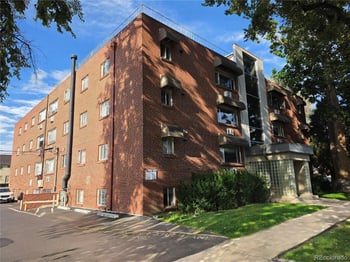
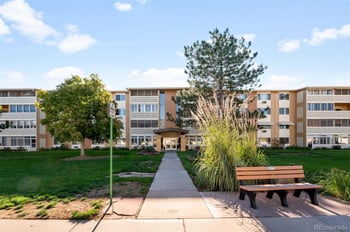
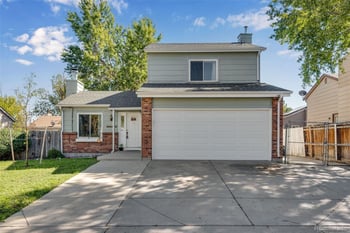
14532 E 45th Ave, Denver, CO 80239
MLS#: REC6171854
.jpg)



A hoarder home in the Denver metro sells 10% to 30% under market because the clutter, odor, and deferred repairs scare off owner-occupant buyers. Investors who budget the cleanup correctly and check the title before they close turn that discount into equity. Investors who skip the budget lose the discount to change orders and disposal fees.
A hoarder home is a property where the prior owner's accumulation of items reached a level that blocks a normal walk-through, hides the condition of floors and walls, and buries deferred maintenance underneath the clutter. Investors buy these properties because the price reflects the mess, not the bones of the house. A 1970s brick ranch in Aurora or a bungalow in Denver's Cole or Barnum neighborhoods can carry solid framing and a serviceable roof under years of clutter, and a contractor who checks the foundation, roof, and mechanical systems before you close will tell you which one you have.
Find these listings through probate attorneys, the county Public Trustee's list, estate-sale companies, and agents who work distressed inventory. Our Colorado distressed homes buyer guide and Denver fix and flip guide both cover where this inventory surfaces first.
Cleanup cost tracks the Clutter Hoarding Scale used by professional organizers and cleanup crews, from Level 1 (mild) to Level 5 (severe, with structural and biohazard issues). Front Range crews price by the level, the square footage, and whether hazardous waste disposal is required.
| Clutter level | Denver metro cleanup cost | What follows the cleanout |
|---|---|---|
| Level 2-3 (moderate) | $3,000 - $8,000 | Deep clean, paint, carpet or flooring replacement |
| Level 4 (heavy, pest activity) | $8,000 - $18,000 | Subfloor repair, drywall, targeted pest treatment |
| Level 5 (severe, structural neglect) | $18,000 - $40,000+ | Permits, mold remediation, plumbing or electrical replacement |
Get a written cleanout bid before you write an offer. A junk-removal crew that supplies its own trash bags for home cleanouts and hauls to the transfer station in one trip prices lower than a crew that makes repeat runs.
Colorado's standard Seller's Property Disclosure asks about known defects, pests, and water intrusion, and a seller who answers it falsely can face a claim after closing. Many hoarder-home sales happen as estate sales or as-is transactions where the disclosure is limited or the seller never lived in the property, so treat the disclosure form as a starting point, not a substitute for your own inspection.
Denver, Aurora, and Colorado Springs code enforcement can cite a property for exterior accumulation, pest infestation, or hazardous conditions, and an open code case attaches to the property, not just the owner. Check the county assessor and the city's code enforcement portal for open cases before you close. A property with an active nuisance citation needs the violation cured, sometimes with a permit and a re-inspection, before the city clears the file.
Interior repairs beyond cosmetic work, such as new subfloor, electrical panel upgrades, or structural framing, need a building permit in every Front Range city. Skipping the permit can block your resale, since a buyer's lender will ask about unpermitted work found during appraisal.
Many hoarder homes change hands through probate after the owner passes away or moves into care. Colorado probate for real property runs through the county district court, and a personal representative needs court authority to sell before you can close. Build extra weeks into your timeline for this, and work with a title company that handles probate sales regularly.
Relatives of the previous owner and neighbors carry strong feelings about the property's condition, and some watch the renovation closely once work starts. Direct, respectful communication about your plans for the home reduces friction during the walk-through, the close, and the weeks of visible work that follow.
Ready to find your next Colorado investment property?
Call or text the Kenna Real Estate Group at 303-955-4220 for personalized help from an agent who works distressed and estate-sale inventory.
Mold grows fast behind stacked belongings, and Colorado's dry climate hides moisture problems until you move the clutter and find the source. Pests, mice in particular, are common in cluttered Front Range homes because rodents move indoors every fall as temperatures drop. Budget a professional inspection and treatment plan from pest control specialists as part of your cleanout, not as an afterthought.
Air quality inside a Level 4 or 5 property carries dust, animal waste residue, and mold spores. Crews doing the cleanout wear respirators, and the property stays closed to foot traffic until it passes a basic air-quality check. Radon is a separate concern in Colorado's Front Range counties, most of which sit in the EPA's highest radon zone, so a post-renovation radon test belongs on the closing checklist for any Colorado home, hoarder-condition or not.
Most lenders will not close a conventional loan on a property with active code violations, missing systems, or hazardous conditions found at appraisal. Cash and hard money cover the purchase and the rehab budget without that obstacle, and both close faster than a bank loan, which matters on an estate sale with a motivated personal representative. An FHA 203(k) rehab loan is an option once the cleanout is complete enough for an appraiser to walk the property and price the remaining scope of work. See our Colorado home financing guide and Colorado mortgage pre-approval guide for how each option compares.
Pull comparable sales for the block, not just the ZIP code, since a hoarder home's after-repair value depends on what buyers pay for a fully renovated home on the same street. Front Range resale timelines run faster in spring and summer, so a purchase that closes in January gives you more runway to finish the rehab before the strongest selling season.
Add 15% to 20% to your cleanup and repair budget as a reserve. Cleanup crews find hidden damage once the clutter clears, and permit timelines in busy Front Range cities run longer during peak building season. A written contingency line keeps a surprise from turning a profitable flip into a break-even sale.
A full renovation and resale works when the after-repair value covers the purchase, cleanup, repairs, and your margin with room to spare. A buy-and-hold rental works when the rehab is lighter and the Denver metro rent covers the mortgage and reserves. Review our rental property checklist for Colorado buyers before you commit to the rental path, and read what Front Range investors should verify before investing and fix and flipping in Colorado for the numbers behind each exit.
The Kenna Real Estate Group works with investors sourcing distressed, estate-sale, and hoarder-condition properties across the Denver metro and the Front Range, from first walk-through to resale. Call or text 303-955-4220. A live person answers. Not a robot, not a phone tree. Or search every home for sale in Colorado to see current distressed inventory.
Questions about any home in Colorado? Call or text 303-955-4220. A live person answers.
Get a written cleanup bid from a Denver metro crew and pull the property's code enforcement history from the city. Both numbers belong in your offer price.
Only with a cash or hard money budget large enough to cover a Level 4 or 5 cleanout plus a 15% to 20% contingency. First-time investors are better served by a lighter cosmetic flip.
Yes, if the neighborhood's comparable sales are limited. Pull recent closed sales on the same block before you set your after-repair value.
Most do. Denver, Aurora, and Colorado Springs code enforcement close a case only after a follow-up inspection confirms the violation is cured.
A Level 2-3 property clears in two to four days with a crew of three or four. A Level 5 property with biohazard or structural issues can take two to three weeks including remediation.
No. Photos rarely show the full extent of the clutter or hidden damage. Walk the property or send a trusted contractor before you write an offer.
Insurers ask for four-point or wind mitigation inspection results, prior claims history, and proof that code violations are resolved before binding a policy.
Yes. Our agents track probate filings, estate sales, and distressed listings across the Denver metro and can set up a search for this exact property type.