$315,000
Active
2
Beds
2
Baths
1111
Sqft
0.017
Acres
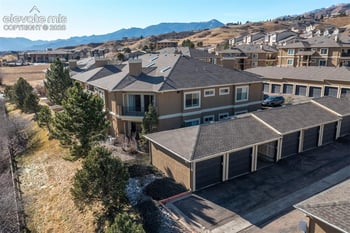
1965 Montura Vw #202, Colorado Springs, CO 80919
MLS#: 6913872
.jpg)


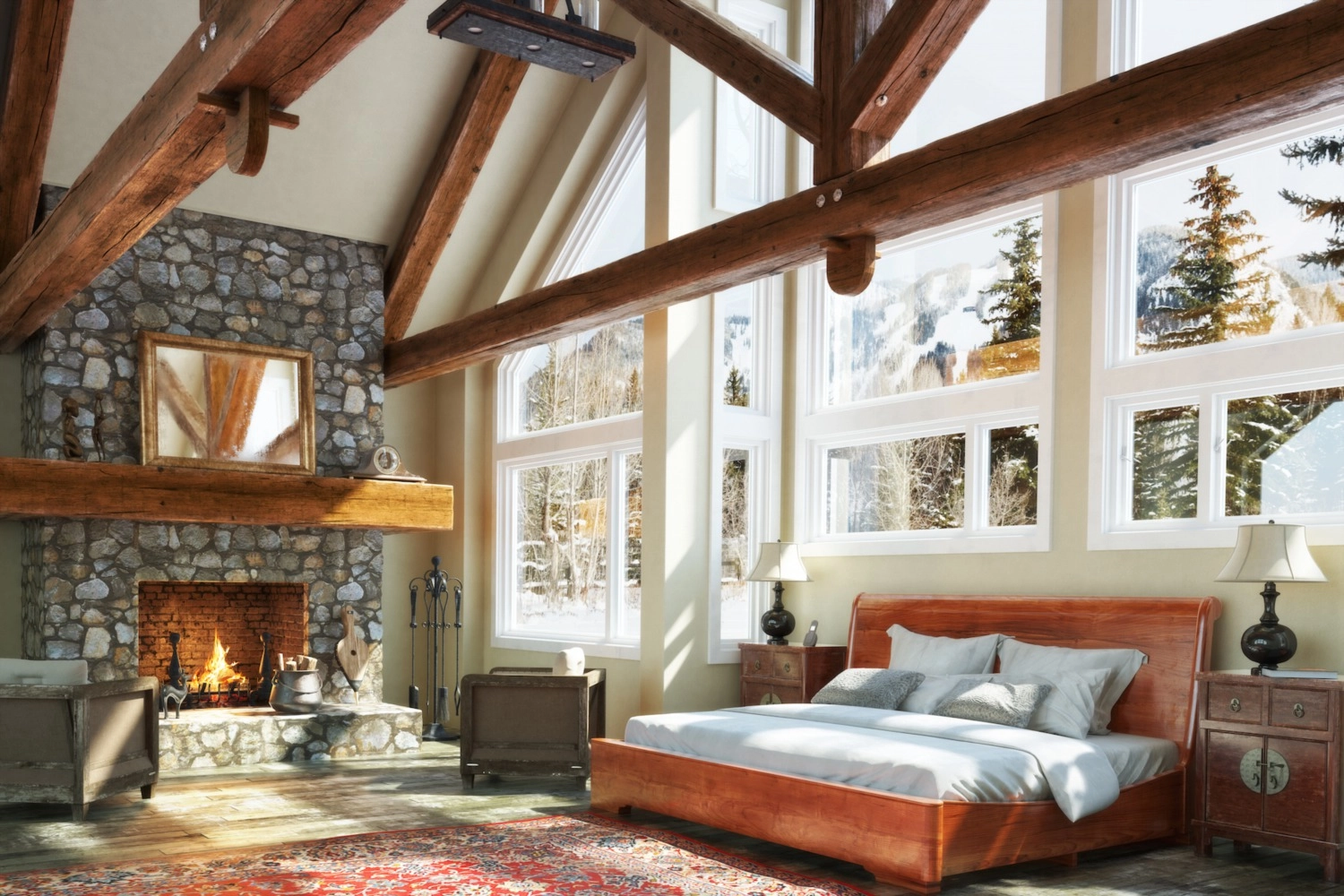
A Front Range home staged for a winter sale needs warmth, light and clean sightlines to the front door, since buyers touring in December and January judge a house against gray skies and an early sunset. Homes staged well for winter still move fast across Denver, Aurora, Lakewood, Littleton, Centennial, Colorado Springs and Fort Collins: the trick is fighting the season instead of hiding from it, and pricing the listing for the buyers who are actually shopping between the holidays and the spring rush.
Set the thermostat to 70 to 72 degrees at least 30 minutes before a scheduled showing, not the moment the buyer's agent calls. A house that feels cold at the door reads as a house with an aging furnace, even when the furnace is fine. A working fireplace lit 15 minutes before a showing (with the damper open and a carbon monoxide detector confirmed working) does more for a winter first impression than almost any other staging move.
Front Range winters bring mag chloride de-icer that splashes onto driveways, walkways and the lower few feet of siding, leaving a chalky white residue that reads as neglect in listing photos. Hose or pressure-wash the entry path and porch before photos, shovel within two hours of any snowfall, and keep a bag of ice melt by the front door so a buyer never has to worry about a slick step on the way in.
With sunset before 5 p.m. across the Front Range from November through January, most showings after work happen in the dark. Turn on every lamp and overhead fixture before a showing, swap any bulb warmer than 3000K for something colder and dimmer, and open blinds fully during daytime showings to pull in every minute of the state's famous sun.
Heavy dark throws, a stack of wood by a fireplace (real or staged), and warm neutral textiles read as cozy instead of cold. Pull out bright summer decor and anything that signals the house has been sitting unattended; a few evergreen or winter-appropriate touches at the entry cost little and signal a home that is cared for through the season.
A buyer arriving for a 4:30 p.m. showing in January needs a lit walkway, not a flashlight from their phone. Solar or timer-based path lighting, a porch light left on through the listing period, and a driveway free of ice protect a buyer's footing as much as they protect the showing, and a poorly lit entry is one of the fastest ways to lose a buyer's first impression before they reach the door.
Front Range homes spend a few more days on market in December and January than in the peak spring months, but well-priced, well-staged winter listings still draw serious buyers: relocation buyers on a job start date, move-up buyers who did not find the right house during the fall rush, and year-end closers working around a tax deadline. Fewer competing listings in winter means less competition for a serious seller, not less demand.
Winter buyers tend to be motivated buyers with a real deadline, which makes accurate pricing more important than seasonal discounting. A Smart Pricing Report built on current Front Range comparable sales, not last spring's numbers, keeps a winter listing from sitting because it opened too high for the season's buyer pool.
Before the photographer arrives, confirm the sprinkler system has been blown out (an active irrigation system in December signals a homeowner who has not kept up with maintenance), check that gutters are clear of ice dams, and test every exterior light. A backflow preventer left uncovered or a hose still attached to an outdoor spigot both show up in listing photos and raise a buyer's first question before they have even scheduled a tour.
Most Front Range HOAs require snow cleared from walkways within a set window, 24 hours in many communities, and some handle common areas centrally while the homeowner stays responsible for the private walk and driveway. Check the HOA's snow removal rules before listing so a violation notice does not land mid-showing-schedule.
Keeping a vacant or lightly furnished home at showing-ready temperature all winter adds $150 to $350 a month to the gas or electric bill depending on the home's size and age of the furnace; budget for that as a real cost of a winter listing rather than turning the heat down between showings, which risks frozen pipes in an unattended house.
Winter inspections surface issues a summer inspection can miss entirely: ice damming at the roofline, a furnace working overtime, or drafts around older windows. The standard Colorado contract's inspection objection deadline, 10 days after acceptance on most contracts, gives the buyer a window to raise these; a seller who has already serviced the furnace and cleared ice dams walks into that period with fewer surprises.
Exterior photos shot between 10 a.m. and 2 p.m. catch the Front Range's strong winter sun without the long shadows of an early sunset, and a clear-sky day after a fresh snow (not during one) gives the cleanest exterior shot of the season. Interior photos should always be shot with every light on and blinds open, since winter's lower sun angle can leave a north-facing room noticeably darker than the same room photographed in June.
A buyer touring in the cold pays close attention to how a house holds heat: drafts near older windows, a mudroom that traps snow and slush, and whether the garage keeps a car's windshield frost-free. Sellers who address a drafty window or add a boot tray and hooks at the entry before listing remove the small frictions that stick in a winter buyer's memory after a showing.
| Price band | Winter staging focus | Typical staging spend |
|---|---|---|
| Under $500,000 | Heat, light, decluttering, curb appeal | $500 to $1,500 |
| $500,000 to $900,000 | Above plus fresh paint, updated hardware, professional cleaning | $1,500 to $4,000 |
| $900,000 and up | Above plus full professional staging furniture and landscape lighting | $4,000 to $12,000 |
The Kenna Real Estate Group prices and stages Front Range winter listings against the buyers actually shopping in December and January, not last season's market. Call or text 303-955-4220. A live person answers. Not a robot, not a phone tree. Ready to see what is on the market right now? Search every home for sale in Colorado.
Questions about any home in Colorado? Call or text 303-955-4220. A live person answers.
Set the thermostat to 70 to 72 degrees at least 30 minutes before a showing so the house feels warm at the door, not cold from sitting unheated.
Hose or pressure-wash the entry path, driveway and lower siding, since de-icer leaves a chalky white residue that reads as neglect in listing photos.
Front Range winter listings spend a few more days on market than spring listings in most years, but well-priced, well-staged homes still draw motivated relocation and year-end buyers.
Keeping a home at showing-ready temperature through a winter listing adds $150 to $350 a month to the utility bill, depending on the home's size and furnace age.
Yes. An active irrigation system visible in December photos signals deferred maintenance to a buyer, and standing water in the lines risks a burst pipe.
Most require walkways cleared within a set window, 24 hours after snowfall in many communities, with the homeowner responsible for the private walk and driveway even when the HOA handles common areas.
Staging spend runs roughly $500 to $1,500 under $500,000, $1,500 to $4,000 in the $500,000 to $900,000 band, and $4,000 to $12,000 for homes above $900,000.
Test every exterior fixture, add timer or solar path lighting to the walkway, and leave the porch light on through the listing period since showings after work happen in the dark most of the winter.