New - 1 Day Ago
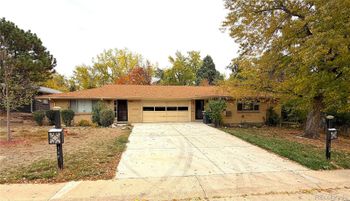
$640,000
Coming Soon
4
Beds
3
Baths
2362
Sqft
0.29
Acres
1950 Independence St, Lakewood, CO 80215
MLS#: 4215825
.jpg)



A Colorado winter swings from a mild 50-degree afternoon to single digits overnight within the same week, and a furnace built for that range works harder than one in a milder climate. Xcel Energy bills climb every winter across the Front Range, but a handful of fixes cut real dollars off the bill without a full renovation. Here is where to start.
Older homes across Denver, Aurora and Lakewood lose real heat through gaps around windows and exterior doors, and weatherstripping degrades over five to ten years of Colorado's freeze-thaw cycles and UV exposure. Hold a lit candle or a tissue near a window or door frame on a windy day; visible movement means a draft. Foam weatherstripping tape and a door sweep cost under $30 and take an afternoon to install. For a gap under a drafty door, pool noodles can also help with drafty doors as a same-day fix while you order proper weatherstripping.
A furnace running at altitude works harder to heat the same volume of air as one at sea level, and a dirty filter or an unserviced unit loses efficiency fast in a Front Range winter. Schedule an annual furnace tune-up in September or October, before the first hard freeze hits Denver, Colorado Springs or Fort Collins, since HVAC companies book up once temperatures drop and emergency service calls cost more than a scheduled visit. Replace the filter every one to three months during heating season depending on the filter type and whether pets are in the home.
Xcel Energy has shifted many residential customers onto time-of-use pricing, where electricity costs more during specific afternoon and early-evening hours. Natural gas heating bills also climb with winter demand pricing. Ask Xcel about budget billing, which averages your annual usage into a flat monthly payment so a February bill does not spike far above a September one, and check whether your account already has access to a home energy report comparing your usage to similar homes nearby.
Attic insulation has the biggest single impact on a Colorado home's winter heating bill, since heat rises and escapes through an under-insulated attic faster than through walls. Homes built before the 1990s across the Front Range fall short of current recommended attic R-values in many cases. Bringing an attic up to code runs $1,800 to $4,500 depending on square footage; check the basement rim joist and crawlspace too, since both areas lose heat and get overlooked far more than the attic does.
Colorado's low winter humidity makes indoor air feel colder at the same thermostat setting than humid-climate air does, which pushes some households to set the thermostat higher than necessary. A whole-home or portable humidifier raises perceived warmth at a lower thermostat setting, which can shave a real percentage off a heating bill while also cutting down on static electricity and dry skin.
A smart thermostat that learns a household's schedule adjusts for Front Range mornings that start near freezing and afternoons that climb 30 to 40 degrees, which is a bigger daily swing than most climates see. Installation runs $150 to $350, and some Xcel Energy rebate programs offer a partial credit for qualifying models; confirm current terms directly with Xcel since they change from year to year.
Pipes in an exterior wall, crawlspace or unheated garage are the ones at risk during a hard freeze. Keep cabinet doors under sinks on exterior walls open during a cold snap, disconnect and drain outdoor hoses before the first freeze, and know where your main water shutoff is located before you need it in an emergency. A burst pipe from freezing costs far more than the modest amount of heat lost by leaving cabinet doors open.
The Denver metro issues high-pollution advisories on certain winter days when wood-burning in fireplaces and wood stoves is discouraged or restricted depending on the jurisdiction. Check current air-quality action day notices for your city before relying on a wood stove as a primary winter heat source, and treat it as a supplemental option rather than your only heat plan.
Closing a vent and shutting the door to a rarely used room seems like an obvious saving, but a forced-air furnace system is balanced to circulate air through the whole ductwork, and blocking too many vents raises pressure in the system and can strain the blower motor over a full winter. Close one or two vents in a lightly used room at most, and leave the door open a crack so the space stays above freezing, especially if any plumbing runs through that room.
Furnaces and gas appliances lose a measurable amount of rated output at altitude compared with their sea-level rating, and manufacturers publish derating tables for installers to follow above 2,000 feet. A furnace installed without accounting for Denver's 5,280-foot elevation runs undersized for the home's actual heating load, which shows up as a unit that runs constantly without keeping up on the coldest nights. Confirm your HVAC contractor sized your furnace for Front Range altitude specifically, not a generic sea-level calculation.
Some HOAs in Highlands Ranch, Castle Rock and other covenant-controlled communities require design review for exterior changes like storm doors, exterior insulation additions or a visible heat pump unit. Submit an HOA application before starting exterior weatherization work in a covenant-controlled neighborhood, since retroactive approval is harder to get than approval up front.
A home battery paired with solar keeps essential circuits, including a furnace blower and refrigerator, running during a winter outage caused by heavy snow or high wind on the Front Range. Batteries add $8,000 to $15,000 to a solar project, so weigh the cost against how frequently your specific area actually loses power in winter storms before adding one.
A documented, serviced furnace, sealed drafts and adequate attic insulation are details buyers and inspectors notice during a winter showing on the Front Range, when a cold house makes a poor first impression regardless of the listing photos. Keep furnace service receipts and any insulation or window work documented so your listing agent has specifics to point to rather than a general claim about efficiency.
Weatherstripping and a thermostat are affordable cash purchases; a furnace replacement or full attic insulation job is a bigger expense that Front Range homeowners commonly roll into a home equity line of credit or a cash-out refinance. Mike Oswald at Rate works with Colorado homeowners on financing for home upgrades.
Many of our buyers use Mike Oswald at Rate and trust him. You are free to use any lender you choose, and the Kenna Real Estate Group receives nothing for the introduction. Mike Oswald, NMLS 261003 · Rate, Inc., NMLS 2611 · Equal Housing Lender.
Ask for the printable winter-readiness checklist in the form below and we email it the same day. If you are getting a Front Range home ready to sell before winter or want to know what buyers notice on a cold showing, the Kenna Real Estate Group can help. Call or text 303-955-4220. A live person answers. Not a robot, not a phone tree. Start with search every home for sale in Colorado.
Questions about any home in Colorado? Call or text 303-955-4220. A live person answers.
Sealing drafts around windows and doors is the cheapest, fastest fix, commonly under $30 in materials for an afternoon of work. Attic insulation has the largest overall impact but costs more and takes longer to schedule.
September or October, before the first hard freeze hits the Front Range. HVAC companies book up once cold weather arrives, and emergency service calls cost more than a scheduled visit.
Many residential Xcel accounts are on time-of-use pricing, where afternoon and early-evening electricity costs more. Ask Xcel about budget billing to smooth out seasonal bill spikes.
Front Range building code sets a higher attic R-value than warmer states. Homes built before the 1990s fall short in many cases; bringing an attic up to code runs $1,800 to $4,500.
Yes. Low humidity makes indoor air feel colder at the same thermostat setting, which pushes some households to raise the temperature unnecessarily. A humidifier can offset this at a lower thermostat setting.
Keep cabinet doors open under sinks on exterior walls during a cold snap, disconnect outdoor hoses before the first freeze, and know your main water shutoff location before an emergency.
The Denver metro issues high-pollution advisories on certain winter days that discourage or restrict wood-burning depending on the jurisdiction. Check current air-quality action day notices for your city.
Yes for most households, given the large daily temperature swing between a Front Range morning and afternoon. Installation runs $150 to $350, and some Xcel rebate programs offer partial credit.


