.jpg)


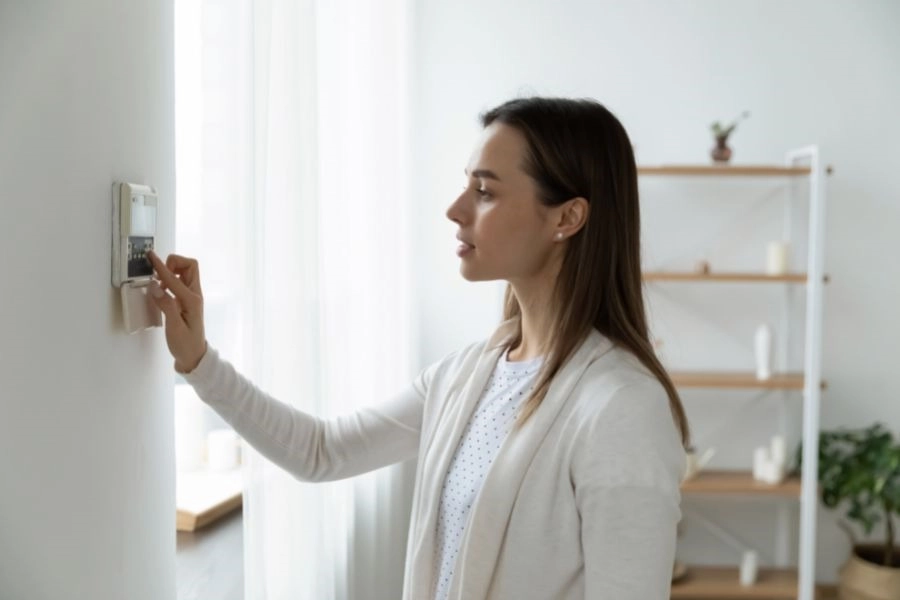
A monitored alarm system, upgraded deadbolts and motion-activated lighting are the three upgrades that do the most for a Front Range home: they deter break-ins and they lower a homeowners insurance premium. Most carriers licensed in Colorado apply a percentage credit for verifiable security upgrades, and the paperwork to claim it takes about ten minutes once the equipment is installed and registered.
What Colorado Insurers Actually Credit
Ask your carrier for its exact list before you buy equipment, because credits vary by company and by ZIP code. Most Front Range carriers reward three categories: a UL-listed monitored alarm connected to a central station, deadbolts on every exterior door, and interior water-leak or smoke detection tied into the same monitoring account.
A monitored system with police or fire dispatch earns a larger credit than a self-monitored, app-only system, because the carrier is pricing the response behind the equipment, not just the hardware. Bring your monitoring contract to your agent at renewal time so the credit shows up on the next bill instead of the one after.
Monitored Alarm Systems: Installed Cost in the Denver Metro
A professionally installed monitored system for a typical 2,000-square-foot Denver metro home runs $250 to $600 for equipment and installation, plus $30 to $60 a month for monitoring. DIY systems with a self-monitoring app cost less upfront, $150 to $300, and skip the monthly fee entirely if you choose not to add professional monitoring.
The trade-off shows up on the insurance side: a self-monitored system earns a smaller premium credit than a monitored one, because there is no contracted dispatch behind the alert. Weigh the monthly monitoring cost against the annual insurance credit before deciding which system fits your budget.
Deadbolts and What a Denver Metro Inspector Flags
Home inspectors across the Front Range routinely note single-cylinder deadbolts with short strike-plate screws, since a 1-inch screw pulls out of the door jamb under pressure while a 3-inch screw anchors into the framing. Swap the screws on every exterior door strike plate for $10 to $20 in hardware and a few minutes of work.
Sliding glass doors and patio doors get their own note on most Front Range inspection reports: add a secondary bar or pin lock, since the factory latch on most sliders is the weakest point on the exterior of the house.
Motion-Activated Lighting for Hail Season and Long Front Range Nights
Motion-activated floodlights at the garage, front entry and any side yard with rear access cost $40 to $150 per fixture installed and pair well with hail-resistant, impact-rated lenses, since Front Range hail season runs from spring through September. Choose LED fixtures rated for Colorado's freeze-thaw cycles; cheaper fixtures crack after two or three winters of temperature swings.
Timers and dusk-to-dawn sensors matter more here than in flatter climates, because Front Range sunset times shift by nearly five hours between December and June. A motion sensor paired with a dusk sensor keeps the light off during long summer evenings and on through short winter afternoons without you resetting a schedule twice a year.
Video Doorbells and HOA Rules Across the Front Range
HOAs in Highlands Ranch, Castle Rock, Parker and other planned communities regulate exterior hardware attached to the building envelope, and a video doorbell mounted at the front entry is common enough that most architectural review committees approve it without a formal application.
HOAs draw a harder line on cameras aimed at a neighbor's yard, a shared walkway or a common-area amenity. Check the community's design guidelines, covered in the Denver HOA rules and fees guide, before mounting a wide-angle camera anywhere except your own entry.
Wildfire Zones and Defensible Space
Homes in the wildland-urban interface — the foothills west of Denver, unincorporated Jefferson County, parts of El Paso County near Colorado Springs — face a different underwriting checklist focused on defensible space, roof material and ember-resistant vents rather than alarms and locks.
Clearing vegetation 5 to 30 feet from the structure, screening foundation vents and keeping firewood stacks away from exterior walls are the three items carriers in these zones check first at renewal. Ask which category each upgrade falls under, since defensible-space credits are priced separately from the alarm and deadbolt credits above.
Re-Keying and Lockboxes When You Buy or Sell in Colorado
A Colorado closing doesn't require the seller to re-key locks, but most listing agents recommend it anyway. Re-keying every exterior lock after closing costs $80 to $200 for a typical home and clears out any spare key a past contractor, dog walker or tenant still holds.
Buyers should also confirm whether an existing monitored system's contract transfers to the new owner or stays with the seller's account. A panel tied to the previous owner's account will not dispatch anyone, no matter how many sensors are still wired into the wall.
Lock Rules for Colorado Landlords
Colorado landlords re-key between every tenant as standard practice. The state's security deposit cap — two months' rent under SB23-184 — limits how much of the cost a landlord can pass through as a deposit deduction unless the lock change is tied to documented damage, so keep receipts for any re-keying charged back to a departing tenant.
New-Construction Front Range Homes and Security Pre-Wiring
Production builders in Denver, Aurora, Colorado Springs and Fort Collins commonly pre-wire new homes for a security panel and include a starter kit of door and window sensors as part of the base package. The equipment is frequently tied to a builder-preferred monitoring company on a term contract, so ask during the walkthrough whether the panel is owned outright or leased through that contract.
If the contract locks you in for two or three years at a set monthly rate, compare that rate against a self-installed system before you sign. Swapping the panel later is straightforward, but breaking an active monitoring contract early sometimes carries a cancellation fee.
Questions to Ask About an Existing Alarm Contract During a Showing
Before writing an offer on a Front Range home with an installed system, ask the listing agent three things: who owns the equipment, whether the monitoring contract transfers or ends at closing, and whether the code panel will be reset before possession. A seller who forgets to remove old user codes leaves a former house sitter or contractor with access long after the sale closes.
Put the answer in writing as part of your due diligence during the inspection objection period, not as a verbal assurance at the final walkthrough. A one-line addendum covering the transfer or removal of the system avoids a dispute after you've already moved in.
Do These Upgrades Change Resale Value in the Denver Market?
A monitored system and updated locks rarely add a line-item premium to a Front Range appraisal, but they shorten the buyer's punch list during the inspection objection period and remove a point of negotiation. Buyers touring homes in Denver, Aurora and Lakewood increasingly ask about smart-home compatibility, so a system that runs on a standard app rather than a proprietary hub shows better at a showing.
If you're pricing a home ahead of a spring or summer listing, a security review is worth folding into a broader pre-listing walkthrough. Our Smart Pricing Report covers the upgrades that move the needle on a Front Range listing, security included.
Where to go next
- Denver HOA rules and fees guide
- Preparing and adding value before you sell a Colorado home
- The Colorado Home Buyer's Guide
- The Colorado Home Seller's Guide
- Colorado lock-and-leave home buying checklist
- Home security tips for Colorado homeowners
Talk to the Kenna Real Estate Group
Buying or selling a home along the Front Range, we can tell you which security upgrades matter to buyers, inspectors and insurers in your specific ZIP code, and which ones are just extra cost. Call or text 303-955-4220. A live person answers. Not a robot, not a phone tree. Ready to look at homes? Search every home for sale in Colorado.
Homes for sale that match this post
Guides
Questions about any home in Colorado? Call or text 303-955-4220. A live person answers.