.jpg)


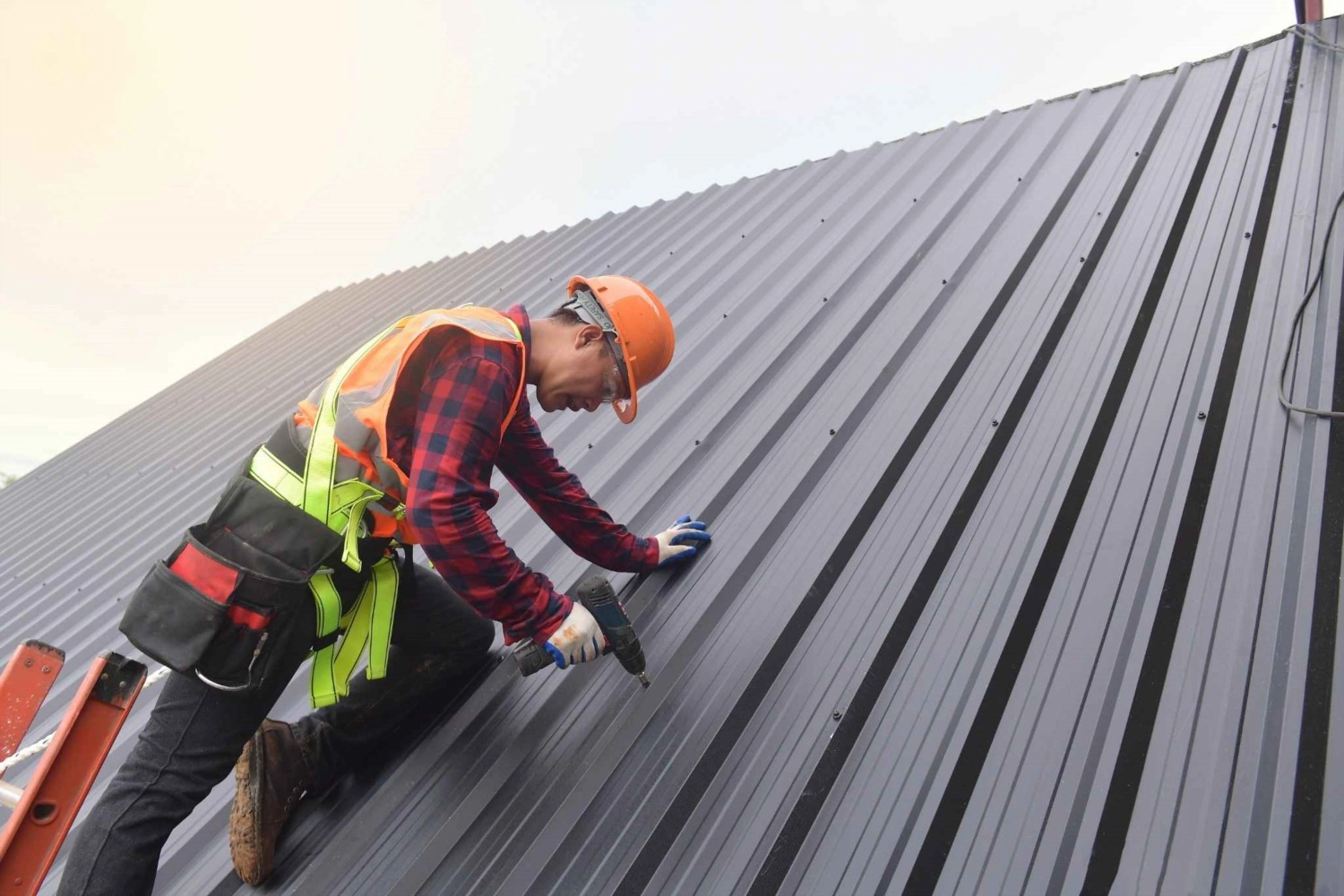
September and October are the strongest months to install a roof on the Front Range: temperatures sit in a workable range, materials seal correctly, and the job finishes before the first hard freeze. Homeowners who schedule fall roofing gain a tighter, better-insulated roof heading into a Colorado winter, and that shows up directly in heating bills.
This guide covers why fall works for roofing crews in Denver, Aurora and Colorado Springs, what a new roof actually does for energy efficiency at 5,280 feet, and what a homeowner needs to check on cost, permits and insurance before signing a contract.
Why Fall Is Roofing Season on the Front Range Too
The Old Farmer's Almanac has flagged an outlook this year with stretches of wild weather across parts of the country, and the Front Range sees its own version every winter: mag-chloride storms, wind events off the foothills, and multi-day cold snaps. Roofing crews prefer fall for the same reason Colorado homeowners should: shingles and underlayment seal to the deck correctly in 45 to 75 degree weather, and the job wraps up before snow load and ice make the work slower and less consistent.
Fall roofing also lands after hail season, which runs mid-April through mid-September on the Front Range. Scheduling after the last storm cycle of the season means a homeowner is not racing a hailstorm mid-installation, and roofing crews are past their busiest stretch of insurance-claim repairs.
How a New Roof Cuts Denver-Area Heating Bills
An older roof loses heat through three paths: worn shingles and underlayment, gaps around flashing and vents, and thin or compressed attic insulation. Replacing all three at once, instead of patching one, closes the full path warm air takes on its way out through the attic.
- New underlayment and moisture barrier: synthetic underlayment and ice-and-water shield seal the deck against both air leaks and the freeze-thaw cycling that works gaps open over a Colorado winter.
- Correct attic ventilation: balanced intake and exhaust venting keeps warm, moist air from pooling under the roof deck, which protects both the insulation's R-value and the shingles above it.
- Flashing and penetration seals: chimneys, vents and skylights are the most common leak points on a Front Range roof; new flashing during a full replacement closes those gaps for good.
Homeowners replacing insulation at the same time as the roof deck should ask their contractor about Xcel Energy's home efficiency rebate programs, which can offset part of the added insulation cost.
Ice Dams and Attic Moisture in a Colorado Winter
An ice dam forms when heat escaping from the living space melts snow on the upper roof, the meltwater runs down to the unheated eave, and it refreezes into a ridge that backs water up under the shingles. The University of Minnesota Extension's guide to ice dams explains the mechanism in detail, and it applies directly to Denver, Boulder and the higher-elevation suburbs where snow sits for days at a time. The fix is not more roof-edge heat cable; it is sealing the attic floor and balancing ventilation so the roof deck stays close to outdoor temperature.
Left alone, a winter of ice dams pushes water under the shingles and into the attic framing. That moisture builds toward rot and mold in the wood structure, a repair that costs far more than the roofing work that would have prevented it.
Cool Roofing and Reflective Materials at 5,280 Feet
Cool roofing shingles and reflective coatings are pitched as summer products, but the U.S. Department of Energy's page on cool roofing shingles notes they help regulate indoor temperature in both directions. On the Front Range, where UV exposure runs roughly 25% stronger than at sea level, a reflective or cool-rated shingle also resists the sun-driven granule loss and fading that shortens a standard shingle's working life.
Roofing Materials That Hold Up to Front Range Freeze-Thaw
| Material | Hail rating available | Freeze-thaw performance | Installed cost per sq ft |
|---|---|---|---|
| Architectural asphalt shingle | Class 4 impact-rated versions widely sold | Good with correct underlayment | $5.50 to $9 |
| Standing-seam metal | Excellent, dents rarely puncture | Excellent, sheds ice and snow fast | $11 to $18 |
| Synthetic slate/shake | Class 4 common | Very good | $10 to $16 |
| Concrete or clay tile | Good, individual tiles crack under large hail | Requires freeze-rated tile | $14 to $22 |
National contractors such as the roof installation crews at Roofs by Warren in London, Ohio report the same fall-installation pattern homeowners see here. Front Range homeowners should still hire a Colorado-licensed, locally insured roofer who carries workers' compensation and knows the local building department's inspection process.
Permits, HOA Approval and Cost in the Denver Metro
Denver, Aurora, Lakewood and most Front Range cities require a building permit for a full roof tear-off and replacement. County building departments handle permits for unincorporated areas. A full asphalt-shingle replacement on a 2,000 to 2,400 square foot Denver-metro home runs roughly $11,000 to $22,000 installed, depending on the tear-off layer count, decking condition and material grade.
Homeowners inside an HOA need Architectural Review Committee approval before changing roof color or material, even on a like-for-like replacement in some communities. Check the covenants and the Denver HOA rules and fees guide before ordering shingles.
Scheduling a Fall Roof Job on the Front Range
Reputable Front Range roofing companies book out weeks in advance once fall arrives, since every homeowner who delayed a spring or summer repair after hail season tries to get on the schedule before the first snow. Get bids in August or early September for the best chance at a fall install date, and confirm the contractor's timeline in writing before signing, since a delayed start can push a job into weather that slows the crew down.
A fall roof replacement takes one to three days on a standard single-family home, depending on roof size, pitch and the number of layers being torn off. Crews clear debris and run a magnetic sweep for nails at the end of the job, which matters most for homes with driveways, walkways and yards where kids or pets spend time.
Insulation Upgrades Worth Pairing With a New Roof
Since the roof deck is already open during a tear-off, it is the least expensive point in a home's life to add or upgrade attic insulation. Blown-in cellulose or fiberglass added to bring an older Front Range attic up to a modern R-value standard costs far less during a reroof than as a standalone project, since the labor to access the attic overlaps with work already happening on the roof deck.
- Air-seal before insulating: sealing top-plate gaps, can-light housings and attic-access hatches stops the air leaks that insulation alone will not fix.
- Match insulation to attic type: a vented attic needs baffles at the eaves to keep insulation from blocking airflow; an unvented or conditioned attic needs a different insulation strategy entirely.
- Ask about rebates: Xcel Energy periodically runs home efficiency rebate programs that can offset part of the insulation cost when it is paired with other qualifying upgrades.
Does a New Roof Affect Insurance or Resale Value
Several Front Range carriers ask about roof material and age during underwriting, and a Class 4 impact-rated roof can factor into that conversation the same way it does for siding. The discount amount is set by the carrier, not the roofing contractor, so get it in writing from your insurance agent. On the resale side, an aging roof is one of the first things a buyer's inspector flags; a documented recent replacement removes that negotiating point before it comes up. A Smart Pricing Report from the Kenna Real Estate Group shows what comparable Front Range homes with a new roof are selling for.
Where to go next
- Roof replacement in Colorado: costs, lifespan and materials
- What affects the lifespan of a roof in Colorado
- Weatherproofing a home for the Colorado climate
- Which upgrades add value before selling a Colorado home
- Explore homes for sale in Denver
- Search every home for sale in Colorado
Talk to the Kenna Real Estate Group
The Kenna Real Estate Group helps Front Range homeowners weigh whether a roof replacement pays off before a sale and connects buyers with an inspector who checks roof age and condition on every showing. Call or text 303-955-4220. A live person answers. Not a robot, not a phone tree. Search every home for sale in Colorado.
Homes for sale that match this post
Guides
Questions about any home in Colorado? Call or text 303-955-4220. A live person answers.