.jpg)


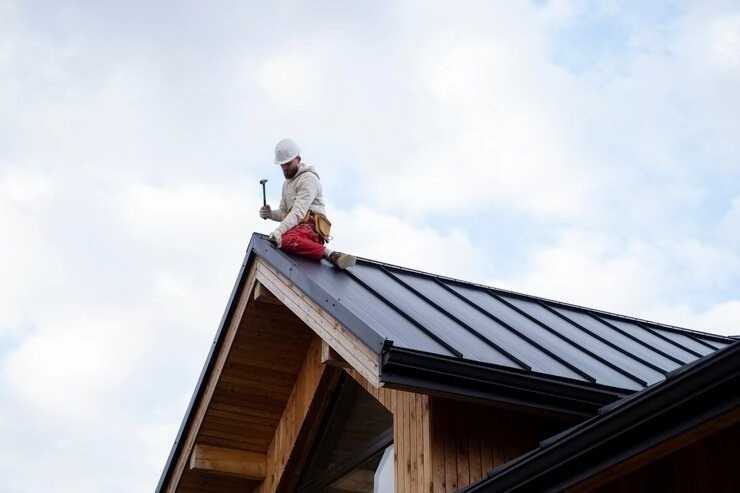
A PVC roof installation in Colorado runs $4,000 to $10,000 for a typical home, or roughly $6 to $12 per square foot installed. PVC is a single-ply membrane used mostly on flat and low-slope roofs, and its high UV reflectivity makes it a strong match for Colorado's intense mountain sun.
What is a PVC roof and where is it used in Colorado?
PVC (polyvinyl chloride) is a white, single-ply membrane installed mainly on flat or low-slope roofs — additions, row homes, mid-century modern homes with low-pitch sections, and commercial buildings. Its reflective surface bounces sunlight rather than absorbing it, which keeps the interior cooler in summer.
How much does PVC roofing cost per square foot in Colorado?
Material alone runs $2 to $3 per square foot. Professional installation adds $2 to $8 per square foot depending on complexity, roof access and the attachment method (mechanically attached, fully adhered, or ballasted). For a 2,000 square foot roof, total installed cost lands between $1,600 and $4,800, though older or more complex roofs can run higher.
| Roof size | Estimated installed cost |
|---|---|
| 1,000 sq ft | $4,000 to $8,000 |
| 2,000 sq ft | $8,000 to $16,000 |
| 3,000 sq ft | $12,000 to $24,000 |
Why does PVC hold up well at Colorado's altitude?
Denver's elevation of 5,280 feet means roughly 25% more UV exposure than sea level. PVC's reflective white surface and high UV resistance make it one of the more altitude-tolerant flat-roof materials on the market, resisting the fading, cracking and brittleness that shorten the life of lower-grade membranes under intense mountain sun.
Does PVC roofing handle Colorado hail?
PVC is flexible and impact-tolerant, which helps it shed hail better than some rigid roofing materials, though a severe hailstorm can still bruise or puncture the membrane. Ask your installer about a thicker mil membrane (60 mil versus 50 mil) if your property is in a hail-prone part of the Front Range or El Paso County.
Does PVC roofing affect a Colorado homeowners insurance premium?
Ask your insurer whether a PVC or other impact-resistant roofing system qualifies for a premium discount. Coverage rules and discount programs vary by carrier, so get the answer in writing before you commit to a material.
What factors drive PVC roof installation cost?
- Material costs — roof size, membrane thickness, and insulation needed to meet current energy code make up 60% to 75% of the total price.
- Labor costs — Front Range labor rates and whether the crew needs union-scale commercial roofers make up the remaining 25% to 40%.
- Roof complexity — skylights, HVAC units and other penetrations slow installation and raise cost.
- Existing roof removal — tearing off an old membrane before installing PVC adds cost but improves the finished result.
Do I need a permit for a PVC roof installation in Denver or other Colorado cities?
Yes. Denver, Colorado Springs, Aurora and most Front Range jurisdictions require a building permit for a full roof replacement, including flat-roof membrane installs. Permit fees run $100 to $500. Confirm the requirement with your local building department before scheduling the tear-off.
How long does a PVC roof last in Colorado?
A properly installed PVC roof can last 20 to 30 years. Regular inspections after hailstorms and before winter help catch small punctures before they become leaks. The material resists many chemicals and doesn't feed mold growth, which matters in Colorado's swing between dry summers and wet spring storms.
How does PVC compare to other flat-roof materials in cost?
PVC costs more upfront than TPO but outlasts it in most cases and holds up better to grease, chemicals, and UV. If you're weighing flat roofing systems for a Front Range home or small commercial property, get quotes on both materials before deciding, since the right choice depends on your specific roof's slope, use and budget.
Does a flat PVC roof affect a home sale in Colorado?
Buyers and their inspectors pay close attention to flat-roof membranes because ponding water and seam separation are common failure points. A recent PVC installation with documentation and a manufacturer warranty is a selling point worth including in your listing and supports the value in a Smart Pricing Report.
Can I negotiate PVC roofing installation cost in Colorado?
Get quotes from at least three Front Range contractors. Installation cost varies by season, contractor backlog and material availability, and pricing is negotiable outside peak hail-season demand (April through September).
How does PVC roofing perform through a Colorado winter?
PVC stays flexible in cold temperatures better than some lower-grade membranes, which matters through Front Range freeze-thaw cycles where meltwater refreezes overnight. A well-installed, properly sloped PVC roof drains before standing water can freeze and expand seams, one of the most common flat-roof failure points in Colorado's climate.
What insulation requirements apply to a PVC roof in Colorado?
Colorado's energy code sets minimum insulation (R-value) requirements for roof assemblies, and the amount needed depends on your building type and location. Your roofing contractor or architect can confirm the required R-value for your project before ordering materials, since under-insulating can trigger a failed inspection.
Can I install PVC roofing myself to save money?
PVC installation requires heat-welding seams correctly to keep the membrane watertight, a skill that takes training and the right equipment. A poorly welded seam is one of the most common causes of an early leak, so this is a job worth hiring a licensed, experienced installer for rather than treating as a do-it-yourself project.
How does PVC roofing compare on maintenance versus a shingle roof?
A flat PVC roof needs periodic inspection of seams, drains and flashing, especially after a hailstorm or heavy snow load. A sloped shingle roof sheds water and debris more passively but is more exposed to direct hail impact. Neither is maintenance-free, but PVC's seams are the part to watch closely over time.
Does PVC roofing work on a residential home or only commercial buildings?
PVC shows up most on commercial buildings, but it's a practical choice for any Colorado home with a flat or low-slope section: additions, row homes, mid-century modern designs, and homes with a flat roof deck. If your home has a mix of sloped and flat roof areas, ask your contractor whether PVC on the flat section and shingles on the sloped section makes sense as a combined approach.
What warranty should I expect on a Colorado PVC roof installation?
Manufacturer warranties on PVC membranes commonly run 15 to 20 years, and some installers add a separate workmanship warranty covering the installation itself. Get both in writing, and confirm whether the warranty is transferable to a future buyer if you sell the home before the coverage period ends — a transferable warranty is worth mentioning in your listing.
How do I compare PVC roofing quotes from different Colorado contractors?
Line up each quote by membrane thickness (mil rating), attachment method, insulation R-value, tear-off scope, and warranty length and transferability. The lowest number isn't always the best value if it skips tear-off or uses a thinner membrane than a competing bid.
Where to go next
- Preparing and adding value before selling
- Pricing your Colorado home to sell
- Roof replacement in Colorado: costs and materials
- How to evaluate mid-century modern homes in Colorado
- Denver HOA rules and fees guide
- Search every home for sale in Colorado
Talk to the Kenna Real Estate Group
Whether you're budgeting a flat-roof PVC install before listing or weighing roof condition on a home you're touring, the Kenna Real Estate Group can walk through the numbers with you. Call or text 303-955-4220. A live person answers. Not a robot, not a phone tree. Ready to look at homes instead? Search every home for sale in Colorado.
Homes for sale that match this post
Guides
Questions about any home in Colorado? Call or text 303-955-4220. A live person answers.