.jpg)


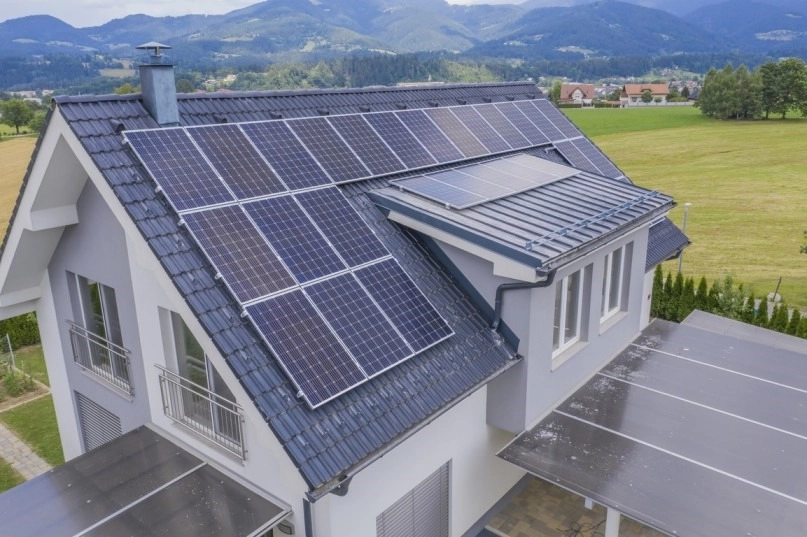
Colorado gets roughly 300 days of sun a year, and the Front Range sits at an elevation where UV intensity runs higher than sea level, both pushing toward strong solar output. The variables that decide whether a specific roof is a good candidate are roof age, angle, HOA rules and the utility's net metering terms, not the sun alone.
Does Colorado Get Enough Sun for Rooftop Solar to Pay Off?
Yes. Colorado ranks among the higher-output states for solar per panel installed, combining roughly 300 sunny days a year with the thinner, drier air at altitude that lets more direct sunlight reach a panel than at sea level. Winter snow cover on panels cuts output for a stretch, but the Front Range's high sun-hour count over a full year keeps the payoff strong compared with cloudier climates.
How Does Altitude Affect Solar Panel Output in Colorado?
Panels run cooler and more efficient at Colorado's elevation and cooler ambient temperatures than the same panels in a hot, humid, low-elevation climate, since panel efficiency drops as panel temperature rises. Thinner air and higher UV intensity add to output on a clear day, part of why Colorado performs well in national solar-output rankings.
What Does a Rooftop Solar System Cost for a Front Range Home?
A residential system sized for an average Colorado home runs roughly $17,000 to $28,000 before incentives, or about $2.50 to $3.50 per watt installed, depending on panel brand, roof complexity and whether battery storage is included. The federal tax credit reduces that cost by 30% for a qualifying system under current law, dropping the net cost meaningfully.
How Does Xcel Energy Net Metering Work for Colorado Solar?
Net metering credits a solar homeowner for excess electricity sent back to the grid, offsetting electricity pulled from the grid at other times, such as night or a cloudy stretch, so the monthly bill reflects net usage instead of total draw. Program details and credit rates change over time, so get the current net metering terms directly from Xcel Energy or the specific local utility before finalizing a system size.
Should You Replace an Aging Roof Before Installing Solar?
In most cases, yes, if the roof sits within 5 to 7 years of the end of its expected life. Removing and reinstalling panels to replace a roof underneath them adds a separate labor cost that a homeowner avoids by sequencing a roof replacement first, especially on a Front Range roof already showing hail wear.
Can Hail Damage Solar Panels in Colorado?
Standard residential panels are tested to withstand hail up to about 1 inch in diameter at a defined impact speed under industry testing standards, which covers most Front Range hail events. A severe, large-hail storm can still crack panel glass or damage mounting hardware, and most solar installation contracts and homeowners policies address panel damage separately from roof damage; confirm coverage before a storm, not after.
Does an HOA Have the Right to Block a Solar Installation?
Colorado law limits how far an HOA can go in blocking a solar installation outright, though a community can still set reasonable placement, screening and aesthetic conditions within that limit. Submit the HOA's architectural review application early in the process, see our Denver HOA rules and fees guide, since a design dispute can add weeks to a project timeline.
Does Solar Raise a Home's Assessed Property Tax Value in Colorado?
Colorado exempts a qualifying residential renewable energy system from adding to the property's assessed value for tax purposes, so a solar installation adds resale value without adding to the annual property tax bill the way a home addition would.
How Long Is the Payback Period for Colorado Solar?
| Factor | Front Range range |
|---|---|
| System cost before incentives | $17,000 to $28,000 |
| Federal tax credit | 30% of system cost |
| Typical payback period | 8 to 12 years |
| Panel warranty and expected life | 25 years |
What's the Federal Tax Credit Worth on a Colorado Solar System?
The federal residential clean energy credit covers 30% of system cost under current law, applied against federal tax liability the year the system is placed in service. Confirm the credit's current rate and rules with a tax preparer before finalizing a system, since federal incentive terms change.
Does Snow Load Affect Solar Panel Placement on a Colorado Roof?
Mounting hardware is engineered for Front Range snow load requirements, and panel angle, commonly close to Colorado's latitude around 35 to 40 degrees, sheds snow faster than a flatter mount. A steeper-than-optimal angle sometimes trades a small output loss for faster snow shedding in a heavy-snow location.
Do Solar Panels Affect a Home's Resale Value in Colorado?
An owned, not leased, solar system adds resale value in most Colorado markets, and buyers increasingly ask about it directly. A leased system or one with an outstanding loan needs to transfer cleanly to the buyer or be paid off at closing; sort this out early with a Smart Pricing Report and a conversation with your agent before listing.
What Happens to a Solar Lease When a Colorado Home Sells?
In most lease agreements, the system either transfers to the buyer, subject to the buyer qualifying with the leasing company, or gets paid off by the seller before or at closing. Sort out which applies well before listing, since a lease transfer can add weeks to a closing timeline that a cash purchase would not need.
How Does Snow Accumulation on Panels Affect Winter Output?
A snow-covered panel produces close to zero power until the snow slides off or melts, and the steep panel angle common on Front Range installs, combined with strong Colorado sun even on a cold day, commonly clears a panel within a day or two of a storm. Homes that see extended output loss from repeated snow cover can weigh a slightly steeper mount at installation, trading a small summer output loss for faster winter snow shedding.
What Roof Angle Works Best for Solar at Colorado's Latitude?
An angle close to Colorado's latitude, roughly 35 to 40 degrees, gives the best year-round balance of summer and winter output for a fixed-tilt system. A roof pitch flatter than that still works with a tilted rack system that raises the panel to the optimal angle, at added mounting cost; a roof steeper than optimal sheds snow faster at a small cost in peak summer output.
Does a Solar System Need to Be Listed Separately on a Home's Sale Disclosure?
Yes. Colorado's standard seller disclosure asks directly whether the property carries a solar system, and whether it is owned outright, financed with a loan attached to the property, or leased. Answering it accurately upfront, alongside documentation such as the installer's contract and any transferable warranty, keeps a buyer's lender from discovering an unexpected lien or lease obligation late in underwriting.
Where to go next
- Get a Smart Pricing Report for your home
- Preparing and adding value before selling a Colorado home
- Denver HOA rules and fees guide
- Colorado hail and roof costs guide
- Search every home for sale in Colorado
Talk to the Kenna Real Estate Group
The Kenna Real Estate Group helps Front Range sellers document an owned or leased solar system correctly for a sale, and helps buyers understand what they are taking on with a system already in place. Ask for the printable solar-and-resale checklist in the form below and we email it the same day. Call or text 303-955-4220. A live person answers. Not a robot, not a phone tree. Or search every home for sale in Colorado.
Homes for sale that match this post
- Homes with Solar Panels in Denver
- HOA Rules and Fees Guide in Denver
- Property Taxes Guide in Denver
- All homes for sale in Denver
Guides
Questions about any home in Colorado? Call or text 303-955-4220. A live person answers.