.jpg)


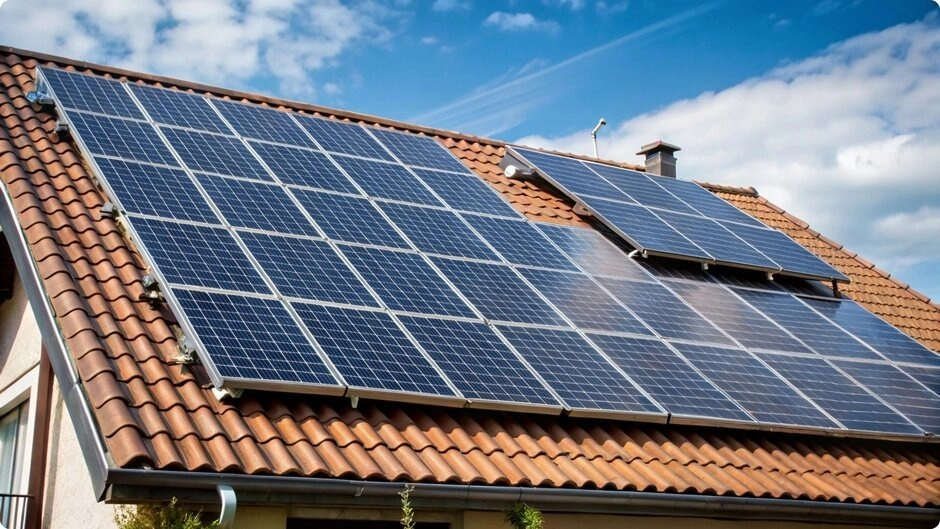
Colorado homeowners get roughly 300 days of sun a year, which makes solar one of the most requested upgrades on the Front Range. A roof that is already 10 years old changes the decision, though, because most solar installers expect the roof underneath the panels to outlast the 25-year panel warranty, and removing panels to fix a roof later costs more than doing the roof first.
Why roof age changes the solar decision
Solar installers in Colorado want to see 15 or more years of remaining roof life before mounting panels, because removing and reinstalling a solar array to access the roof underneath runs $2,500 to $6,000 depending on system size. A 10-year-old asphalt shingle roof with a 20 to 25-year rating has 10 to 15 years left on paper, but Front Range UV and hail exposure cut that closer to 8 to 12 years in practice.
Checking the roof before the solar quote
A roof inspection before a solar consultation should cover granule loss, shingle curling, flashing condition around any penetrations, and any hail bruising from the last five hail seasons, the same checklist covered in green and energy-efficient homes in Denver. A roofer's written assessment of remaining life gives the solar installer and the homeowner the same number to plan around.
Replace the roof first, or wait?
Replacing an aging roof before solar installation costs more upfront but avoids paying twice for labor, the same math covered in Roof Replacement in Colorado: Costs, Lifespan, and Best Materials. Homeowners who wait risk needing a mid-warranty tear-off that requires panel removal, storage, and reinstallation, plus the schedule delay of coordinating two contractors.
| Roof remaining life | Recommended path | Extra cost if skipped |
|---|---|---|
| 15+ years | Install solar now | None |
| 8-14 years | Get a written roof assessment first | $2,500 - $6,000 if roof fails mid-warranty |
| Under 8 years | Replace roof, then install solar | Avoided entirely |
Hail and solar panels in Colorado
Most solar panels sold in Colorado carry a hail impact rating tested to withstand 1-inch hail at highway speed, which covers the majority of Front Range storms, but the largest hail events (2 inches and up) that hit the Palmer Divide and eastern suburbs periodically can still crack panels. Confirm the manufacturer's hail rating and the installer's workmanship warranty before signing.
Xcel Energy net metering and timing
Xcel Energy's net metering program credits solar production against a homeowner's usage, and program details change periodically, so confirm current rules directly with Xcel or the installer before signing a contract. Installing before a program change can lock in existing terms; check the interconnection timeline with the installer, and see energy efficiency as a Colorado buying factor for how this affects resale.
HOA approval for solar
Colorado law limits how much an HOA can restrict solar installation, but most Front Range HOAs still require a design review submission covering panel placement and visibility from the street. Submit plans early; some HOA architectural committees meet monthly, not weekly.
Permits for Front Range solar installations
Denver, Aurora, Colorado Springs and most Front Range cities require an electrical permit and a structural review for roof-mounted solar, separate from any roofing permit. A qualified installer handles this as part of the project, but confirm it is included in the contract price.
Solar installation costs in the Denver metro
A residential solar system in the Denver metro runs $14,000 to $26,000 before incentives, depending on system size and panel type, with the federal tax credit reducing net cost significantly. Get at least two quotes; installer pricing varies more than most homeowners expect.
Resale value and solar
Owned solar systems add value in Colorado's competitive buyer market, particularly given Front Range electricity costs, a factor worth pricing into a pre-listing plan for adding value before selling. A financed or leased system transfers differently: some loans transfer with the home, while leases require buyer qualification or a seller payoff. Confirm transfer terms before listing a home with solar attached.
What sellers should document
Keep the installation permit, the panel and inverter warranties, the interconnection agreement with Xcel, and any loan or lease paperwork together for a future sale, part of the disclosure checklist in the Colorado seller's guide. A buyer's lender will ask for this packet if the system is financed.
Roof structural load with solar
Standard asphalt shingle roofs built to Colorado code handle typical residential solar array weight without reinforcement in most cases, but a structural engineer's letter is standard practice for older homes or unusual roof framing. The installer's permit application includes this review. Homeowners comparing homes already equipped with solar can search every home for sale in Colorado to see current listings.
Homeowners researching panel options sometimes start with general guides like solar systems cost breakdowns before getting Front Range-specific quotes, and a licensed roofing company should be the first call when the roof assessment comes back marginal.
Battery storage and roof planning
Adding battery storage alongside solar panels does not change the roof-first logic, since the battery mounts on an exterior wall or in a garage, not on the roof deck. It does add another electrical permit and inspection step, so build extra time into the project schedule when battery storage is part of the plan.
Choosing a Front Range solar installer
Confirm the installer carries a Colorado electrical contractor license, has completed interconnection agreements with Xcel Energy before, and offers a workmanship warranty separate from the panel manufacturer's warranty. Ask for two or three local references from installations at least two years old; that is enough time for a Colorado winter and a full hail season to test the work.
What a solar-ready roof inspection covers
A solar-ready roof inspection checks remaining shingle life, deck condition under the planned mounting points, and flashing quality at any existing penetrations, then adds a structural check for the array's weight and wind load. Get this inspection before signing a solar contract, not after, so a roofer prices any roof findings into the same project instead of surfacing as a change order mid-installation.
The 25-year mismatch problem
Solar panel warranties run 25 years, longer than most asphalt shingle roofs last on the Front Range. A homeowner installing on a 10-year-old roof plans for that roof to outlast a warranty it was never rated to match; the honest fix is either a roof with 15-plus years of documented remaining life or a metal roof, which commonly lasts 40 to 50 years and pairs better with a 25-year solar warranty.
What this means for resale timing
A homeowner planning to sell within 5 to 7 years should weigh whether the next buyer wants an owned solar system sitting on a roof that will need replacement soon after purchase. Pairing a roof replacement with solar installation in the same project, rather than adding solar to an aging roof, gives a future buyer a clean, documented package instead of two separate maintenance timelines.
Paperwork to keep for a future sale
Save the roof inspection report used before the solar decision, the solar permit and interconnection agreement, the panel and inverter warranty documents, and any structural engineer letter in one folder. A buyer's lender and appraiser both ask for this packet when a home has an owned or financed solar system attached, and having it ready avoids a closing delay.
Where to go next
- Green and energy-efficient homes in Denver
- Energy efficiency as a Colorado buying factor
- Roof replacement in Colorado: costs and materials
- Preparing and adding value before selling
- Search every home for sale in Colorado
Talk to the Kenna Real Estate Group
Solar changes how a Front Range home shows and how it appraises, and the Kenna Real Estate Group prices owned and financed systems correctly whether a homeowner is planning to add panels or sell a home that already has them. Call or text 303-955-4220. A live person answers. Not a robot, not a phone tree. Then search every home for sale in Colorado while the roof work is fresh in mind.
Homes for sale that match this post
- Homes with Solar Panels in Colorado Springs
- HOA Rules and Fees Guide in Colorado Springs
- Homes with 2 Car Garage in Colorado Springs
- All homes for sale in Colorado Springs
Guides
Questions about any home in Colorado? Call or text 303-955-4220. A live person answers.