Open: Sat 11:00 AM - 1:00 PM

.jpg)


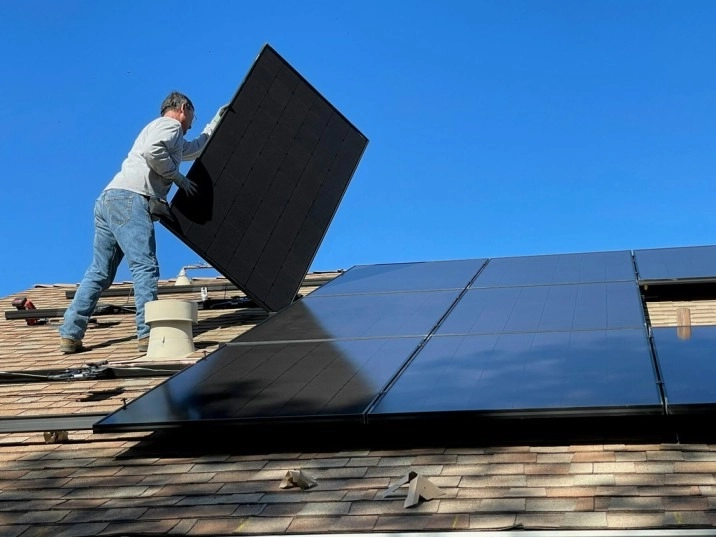
Solar panel design has moved from bulky, glass-heavy frames to slim, low-profile panels that blend into a roofline, and that shift matters to a Colorado home sale. The short answer: modern, owned solar panels can support a home's value along the Front Range, but a leased system or an older panel design can complicate the sale and needs to be disclosed early.
Owned solar systems support a home's value in most Front Range sales, since Colorado gets strong sun exposure and buyers factor in lower utility costs. The panel's design mostly affects curb appeal and roof appearance in listing photos; the ownership structure is what actually affects the sale price and financing.
Early residential panels were thick, framed in bulky aluminum, and sat well above the roof deck. Current panels use thinner cells, lower-profile mounting, and in some cases panels sized and shingled to match a roof's existing lines. That shift matters on Colorado homes with steep, snow-shedding roof pitches, since a lower-profile mount sheds snow and wind load more predictably than older raised-frame systems.
Yes. Colorado's high elevation and roughly 300 days of sunshine a year give Front Range solar installations some of the strongest production numbers in the country, even accounting for winter snow cover on panels. That production record is worth pointing to when marketing a home with an owned system.
No. Colorado law prohibits an HOA from banning solar panels outright, though associations can set reasonable design and placement standards. A seller in an HOA community should keep the association's written approval for the installation, since a buyer's lender or the HOA itself can ask for it during closing.
Net metering credits a homeowner for solar power sent back to the grid, offsetting the utility bill. That credit and any related agreement transfer to the new owner, but the buyer needs the account transferred with Xcel Energy or the relevant local utility at closing, not assumed automatically.
An owned system, paid off in cash or through a completed loan, adds value with no strings attached. A leased system or a power purchase agreement means the buyer takes over monthly payments to a third party, which many lenders treat as a factor in the buyer's debt-to-income calculation. Sellers with a lease should get the transfer paperwork started well before listing.
Modern panels are tested and rated for hail impact and hold up well to most Front Range storms, but a severe hailstorm can still crack cells or damage mounting hardware. Check panel condition and any manufacturer or installer warranty before listing a home that has been through a major hail event.
Yes, residential solar installations require a building and electrical permit from the city or county, plus utility interconnection approval. A seller should have final permit sign-off and interconnection agreements on hand; a buyer's lender or title company will ask for them.
Steeper Front Range roof pitches shed snow faster, which keeps panels producing sooner after a storm than a low-slope roof where snow lingers. Installers size mounting hardware for the region's snow load requirements, and a home inspector or structural engineer can confirm the mounting meets code for the specific roof.
Yes. A lease, loan, or power purchase agreement tied to the property is a material fact that belongs in the seller's disclosure, and the paperwork needs to be ready for the buyer's lender well before closing, since some lenders will not close on a home with an unresolved solar lien.
Low-profile, roof-integrated panels read as a clean architectural feature rather than an add-on, and they photograph better from the street than older raised-frame systems. That said, buyers care far more about ownership and production history than about panel appearance.
An owned system is a straightforward value-add reflected in the price. A leased system requires either the buyer qualifying to take over the lease or the seller paying it off before closing, both of which can slow a transaction and should be planned for well ahead of listing.
Buyers increasingly ask about panel age, warranty status, and ownership, since these affect their own utility costs and financing. Having the installation date, warranty, and production history on hand for showings answers the question before a buyer has to ask.
Heavy smoke during wildfire season can reduce panel output temporarily by scattering sunlight before it reaches the cells, and settled ash or dust reduces output further until rinsed off. Most systems recover fully once air quality clears and panels are cleaned.
An owned system with no lien is treated like any other home improvement and does not complicate financing. A leased or financed system adds a step, since the lender needs the lease or loan documents reviewed as part of underwriting.
A battery backup adds appeal for buyers concerned about winter storm outages or wildfire-related grid shutoffs, both real considerations along parts of the Front Range and foothills. An owned battery, like an owned panel array, is a straightforward value-add; a financed one carries the same disclosure and payoff questions as financed panels.
Pull the last 12 to 24 months of production data from the monitoring app and have it ready as a one-page summary alongside the installation date, warranty terms, and ownership status. Buyers and their lenders respond better to documented numbers than to a verbal estimate of monthly savings.
The Kenna Real Estate Group can review a home's solar paperwork, ownership status, and permits before it goes on the market so nothing holds up closing later. Call or text 303-955-4220. A live person answers. Not a robot, not a phone tree. See current inventory: search every home for sale in Colorado.
Questions about any home in Colorado? Call or text 303-955-4220. A live person answers.
Yes in most cases, since buyers value the lower utility costs and Colorado's strong solar production. A leased system does not add the same value and needs its own paperwork at closing.
No, Colorado law prevents an outright ban, though an HOA can require design and placement standards to be followed before installation.
The buyer needs to qualify to take over the lease, or the seller pays it off before closing. Either path takes time, so start the process well before listing.
Modern panels are rated for typical hail, but a severe storm can still crack cells or damage mounts. Check the panels and any warranty after a major hailstorm.
Yes, a building and electrical permit plus utility interconnection approval are required, and a seller should keep that paperwork for the buyer's lender.
Yes temporarily, but steeper Front Range roof pitches shed snow faster than low-slope roofs, so production recovers sooner after a storm.
Yes, any lease, loan, or power purchase agreement tied to the property is a material fact that belongs in the seller's disclosure.
No, the buyer needs the utility account and net metering agreement transferred at closing rather than assuming it carries over on its own.