New - 11 Hours Ago

.jpg)


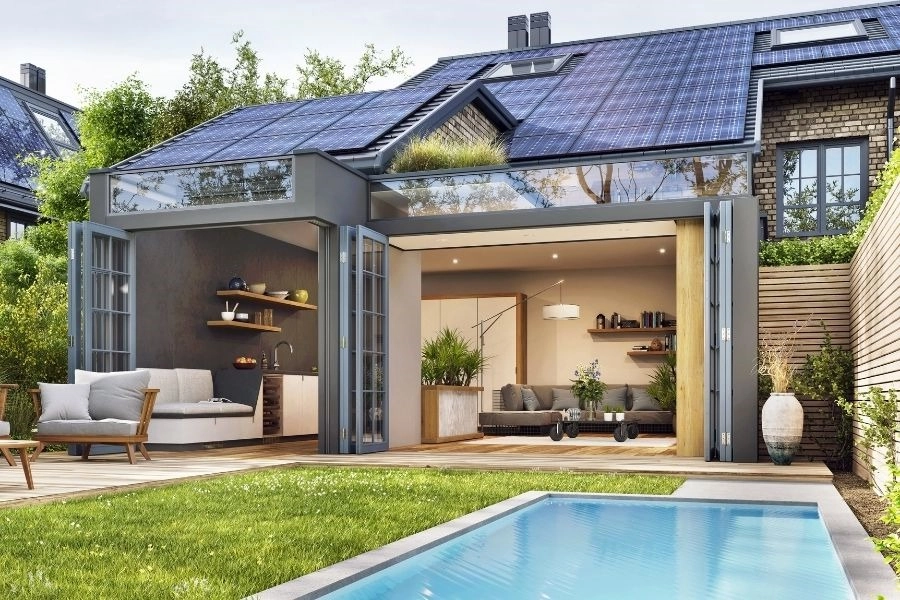
Installing solar on a Colorado home is not the same project as installing it in a flatter, lower-elevation state. Roofing has to withstand hail, the racking has to be engineered for snow load, and any covenant-controlled community has its own review process. Work through these factors before you sign a contract, not after the crew shows up.
A roof under 10 years old with no active leaks is the standard an installer looks for before mounting panels, since removing and reinstalling an array to re-roof later costs $1,500 to $3,000 in extra labor. If your roof is past 15 years old, get a roofing contractor's opinion before you get a solar quote. Asphalt shingle roofs are the most common in the Denver metro and take standard flashing-based mounts; a metal or tile roof needs a specialized mount, so mention your roofing material when you request bids.
South-facing sections with a 20 to 40 degree pitch and clear sun from morning through afternoon produce the most power. East- and west-facing roof sections still work, just at a lower output, which matters on narrower lots in older Denver neighborhoods where the roof does not face true south. A site visit with a shading study, not just a satellite photo, tells you what a specific roof will actually produce.
Front Range building codes set a snow-load standard that racking systems must meet, and that standard is higher in Douglas, El Paso, Jefferson and Larimer counties than in lower-elevation areas. A licensed installer pulls a permit and has the mounting engineered to your county's requirement. Skip a contractor who does not mention snow-load engineering or a permit as part of the bid.
Denver, Aurora, Lakewood, Littleton, Centennial, Colorado Springs and Fort Collins each run their own residential solar permitting process, and unincorporated Jefferson, Douglas, Arapahoe and El Paso counties permit separately from the cities inside them. Review runs one to three weeks in most jurisdictions. A reputable installer includes permitting in the contract price and timeline.
Colorado's solar-access law limits how far a homeowners association can go: an HOA can require design review and set reasonable placement rules, but it cannot flatly prohibit solar or impose conditions that make a system unreasonably more expensive or less efficient. Neighborhoods in Highlands Ranch, Castle Rock, Parker and other covenant-controlled communities still require an application, so submit it before signing an installer contract, not after.
Xcel Energy, the utility for most of the Denver metro and Front Range, credits excess solar production you send back to the grid through net metering, and runs the Solar*Rewards incentive program for new solar customers. Xcel has moved many residential accounts onto time-of-use pricing, where afternoon and evening power costs more than overnight power, which changes how much a battery adds to your savings. Ask for Xcel's current Solar*Rewards and battery rebate terms when you get quotes, since program details change from year to year.
The Front Range sits inside "hail alley," with the heaviest hail risk from April through September. Ask every installer for the panel's impact rating and get written confirmation of what the manufacturer's warranty covers for hail damage. Call your homeowners insurance carrier before installation to confirm how a roof-mounted array is treated on your policy.
Expect $17,000 to $28,000 before incentives for a system sized to a typical Denver-metro home, or about $2.60 to $3.30 per watt installed. Get at least three itemized bids, and compare equipment brand, warranty length, and whether the price includes the roof-penetration warranty and permit fees, not just the sticker total. Homes in Littleton, Centennial and Highlands Ranch with larger roof footprints and higher summer cooling loads land toward the upper end of that range; smaller homes in Lakewood, Arvada or Wheat Ridge land toward the lower end.
The 30% federal residential solar tax credit ended for systems placed in service after December 31, 2025. That makes Colorado's own utility incentives and any local rebate programs carry more weight in the payback math for a system installed in 2026. Confirm current terms with your installer and a tax preparer, since rules on incentives shift from year to year.
Pull twelve months of Xcel bills rather than a single month, since Front Range homes swing between summer air conditioning and winter heating demand. An installer uses that annual usage number, along with your roof's usable area and orientation, to size a system that offsets what you actually use across the year instead of one season's bill.
A home battery stores daytime solar production for use during Xcel's more expensive evening rate window and keeps essential circuits running during an outage. Batteries add $8,000 to $15,000 to a project, so many Front Range homeowners install solar first and add a battery once utility rate structures and rebate programs are set. Ask your installer whether the panel inverter you choose now is battery-ready, so you are not replacing equipment later.
Options include cash, a solar-specific loan, a home equity line of credit, or a cash-out refinance folded into the mortgage. Loan terms and rates vary by lender, so compare more than one before you commit. Mike Oswald at Rate (NMLS 261003, Equal Housing Lender) works with Front Range homeowners on financing for solar and other home upgrades, and you are free to use any lender you choose.
Colorado's seller property disclosure covers known roof issues and financed improvements, which includes a solar loan or lease. Buyers and their agents review this closely, and an incomplete answer on a financed system can slow down a deal once it surfaces during the inspection objection period.
An owned, paid-off system with production records and a transferable warranty is a selling point in Denver, Aurora, Lakewood, Littleton and Colorado Springs, where buyers factor summer cooling costs into their decision. A financed or leased system needs to be addressed before closing rather than assumed as automatic added value.
If you are weighing solar before a Front Range sale, or you want to know how a system affects your home's value in your specific neighborhood, the Kenna Real Estate Group can walk through the numbers with you. Call or text 303-955-4220. A live person answers. Not a robot, not a phone tree. See what else is on the market first at search every home for sale in Colorado.
Questions about any home in Colorado? Call or text 303-955-4220. A live person answers.
A roof under 10 years old with no active leaks is the standard installers look for. If your roof is older than 15 years, get a roofing opinion before you get a solar quote, since re-roofing under an existing array adds $1,500 to $3,000 in labor.
Yes. Front Range counties set a snow-load standard the racking must meet, and it is higher in Douglas, El Paso, Jefferson and Larimer counties. A licensed installer pulls a permit and engineers the mount to that standard.
No. Colorado's solar-access law limits how far an HOA can go. It can require design review and reasonable placement rules, but it cannot flatly ban panels or make them unreasonably more expensive.
Xcel credits the excess power your system sends back to the grid against your bill. Xcel has also shifted many accounts to time-of-use pricing, which changes how much value a battery adds during the expensive evening window.
No. The 30% federal residential solar tax credit ended for systems installed after December 31, 2025. Colorado's own utility incentives now carry more weight in the payback math.
Plan on $17,000 to $28,000 before incentives, or roughly $2.60 to $3.30 per watt installed, depending on system size and equipment. Get at least three itemized bids.
Most panels sold today carry an impact rating built for severe weather, and the Front Range's hail season runs April through September most years. Confirm the rating with your installer and check with your insurance carrier before installation.
A battery stores daytime production for Xcel's costlier evening rate window and backs up essential circuits during an outage, but it adds $8,000 to $15,000 to the project. Many homeowners install solar first and add a battery once rate structures settle.


