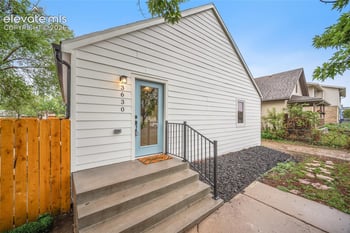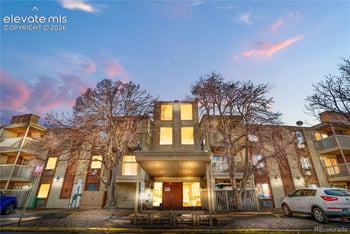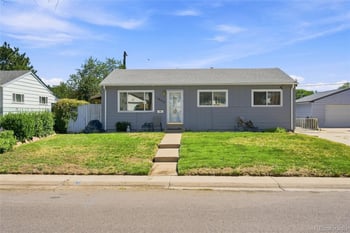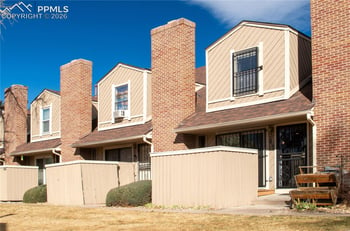
$345,000
Pending
3
Beds
2
Baths
1538
Sqft
0.0202
Acres
3300 W Florida Ave #48, Denver, CO 80219
MLS#: 9397860
.jpg)


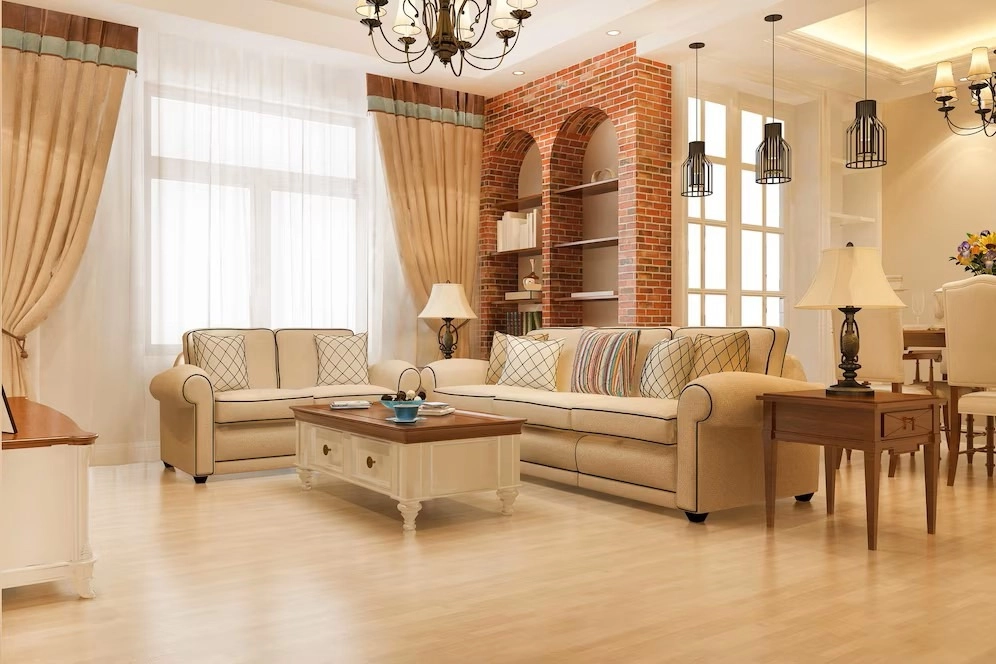
Classic home design in the Denver metro pulls from the same six elements as anywhere else, architectural style, symmetry, ornamentation, color palette, materials, and proportion, but Front Range buyers weigh materials and exterior durability more heavily because of the region's freeze-thaw winters and intense sun. Getting these six right, on a new build or a remodel, is what makes a home read as classic rather than dated.
Colonial, Tudor, and Craftsman details show up across established Front Range neighborhoods in Denver, Littleton, and Boulder, while newer classic-style construction in Highlands Ranch and Castle Rock blends farmhouse and traditional elements in many new builds. The right style choice should fit the surrounding streetscape; a home that stands out too sharply from its neighbors can be harder to compare during an appraisal.
Symmetry, matching windows, a centered entry, balanced massing on either side of a centerline, reads as intentional and well-built even to a buyer who cannot name why a facade looks right. Interior symmetry, balancing furniture and millwork on either side of a room, extends the same principle indoors.
Moldings, trim detail, and metalwork carry a classic look, but the amount matters. Too much reads as busy in listing photos; too little reads as plain. A front door surround, window casings, and a few interior crown-molding rooms strike the right balance in most homes, without adding maintenance the homeowner does not want.
Classic exteriors lean toward creams, warm grays, and muted earth tones that hold up visually against Colorado's strong sun rather than fading unevenly the way bright, saturated colors do. Indoors, a soft, neutral base with color introduced through art, rugs, and accents photographs consistently well across a Front Range listing's lifetime, regardless of the season it lists in.
Brick, stone, and wood define classic design, and each behaves differently in Colorado's climate:
Proportion is the relationship between a home's elements, roof pitch to wall height, window size to facade, porch depth to entry width. A well-proportioned classic home reads as balanced from the street even before a buyer walks in, which is part of why proportion is one of the harder elements to fix after a home is built without a significant remodel.
Many Front Range HOAs, particularly in Highlands Ranch, Castle Rock, and planned communities across Douglas County, require architectural review before a homeowner changes exterior color, adds ornamentation, or alters roofline or siding material. Denver and surrounding cities require a permit for structural facade changes and for any work that affects the building envelope. Confirm both HOA covenants and city permit requirements before starting exterior design work.
A well-executed classic exterior photographs consistently and appeals to a broad buyer pool rather than a narrow design taste, which matters in neighborhoods like Littleton's historic districts and Cherry Hills Village, where classic architecture is already the norm. For a remodel intended to add resale value rather than just personal enjoyment, prioritizing exterior materials and proportion over interior ornamentation returns more at closing, in most cases.
On a limited budget, exterior materials and proportion carry more weight for resale than interior ornamentation, since curb appeal shapes a buyer's first impression before they see anything indoors. Repainting or repairing brick and stone, correcting an obviously unbalanced facade element such as a mismatched window, and refreshing exterior trim color come before interior crown molding or custom millwork on a return-focused priority list.
| Upgrade | Typical scope | Cost range |
|---|---|---|
| Exterior repaint, classic palette | 2,000-2,800 sq ft home | $5,000 - $12,000 |
| Brick or stone tuckpointing | Front facade repair | $1,500 - $6,000 |
| Interior crown molding and trim | Main living areas | $4,000 - $15,000 |
| Symmetrical window or entry correction | Single structural change | $3,000 - $20,000+ |
Established neighborhoods in Denver, Littleton, and parts of Boulder carry the highest concentration of homes built with classic proportion and detail already intact, since much of that construction predates newer, more experimental design trends. Buyers who want the classic look without taking on a remodel should focus a search there rather than newer subdivisions, where classic-style new construction exists but is less consistent from block to block.
The most frequent misstep is mixing architectural vocabularies, Craftsman brackets on a Colonial facade, or Tudor half-timbering paired with contemporary black-framed windows, which reads as inconsistent rather than eclectic. A second common mistake is over-ornamenting a small facade until the details compete with each other instead of drawing the eye to the entry. A third is choosing a saturated exterior color that fades unevenly under close to 300 days of Colorado sun a year, leaving a blotchy, two-tone look within a few seasons. Working from a single reference style and a muted, sun-stable palette avoids all three.
A classic exterior loses some of its effect when the interior does not follow through. Paneled or coffered ceilings in a dining room, wainscoting along a stair hall, and a fireplace mantel proportioned to match the room's scale all extend the exterior's language indoors. These interior touches cost less than a full millwork package and read clearly in listing photos, which is part of why they show up throughout higher-end classic remodels across the Denver metro even when the budget does not stretch to every room. The guide to showing a Colorado home to buyers covers which finished spaces matter most on a showing.
A builder experienced in classic Front Range design understands how local materials, roof pitch requirements for snow load, and HOA architectural guidelines interact before drawings ever reach a permit review. An architect who defaults to a single national style catalog, rather than one who studies the surrounding streetscape, produces a plan that clashes with its block in a real number of cases. Reviewing a builder's completed classic-style projects in person, not just in photos, is the clearest way to judge whether their proportion and material choices hold up in a Colorado light and climate.
Planning a classic-style build or remodel, or looking for a home with this kind of architecture already in place? The Kenna Real Estate Group can point to Front Range neighborhoods where classic design holds its value best. Call or text 303-955-4220. A live person answers. Not a robot, not a phone tree. Or search every home for sale in Colorado.
Questions about any home in Colorado? Call or text 303-955-4220. A live person answers.
Colonial, Tudor, Craftsman, and traditional farmhouse details are the most common classic styles across Front Range neighborhoods, from established Denver blocks to newer Highlands Ranch and Castle Rock construction.
Brick and stone handle freeze-thaw cycles and hail with less maintenance than wood siding in most cases, which needs repainting or resealing every few years given the region's sun exposure.
Many Front Range HOAs, especially in planned Douglas County communities, require architectural review for exterior color, siding, or ornamentation changes. Check the HOA covenants before starting work.
Symmetry does not appear as a line item on an appraisal, but a balanced, proportioned facade photographs better and appeals to a wider range of buyers, which affects how quickly a home sells.
Brick and stone need the least maintenance against freeze-thaw and hail. Fiber-cement siding is a common lower-maintenance alternative to wood trim in newer Front Range construction.
A well-executed classic exterior appeals to a broad buyer pool, which helps a listing move faster in a competitive market, though pricing, condition, and location still drive the timeline more than style alone.