New - Just Now
$1,250,000
Active
--
Beds
--
Baths
--
Sqft
0.29
Acres
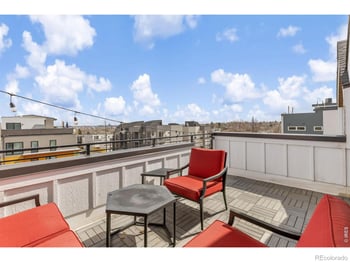
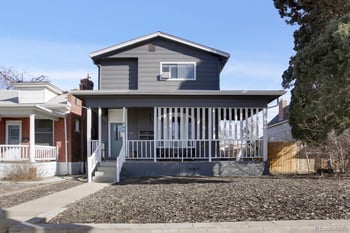
1711 N Lafayette St, Denver, CO 80218
MLS#: REC8837082
.jpg)


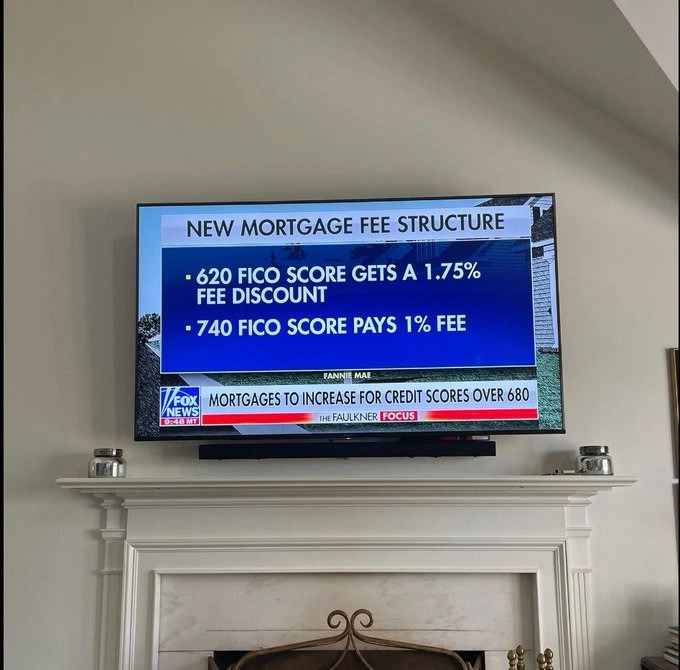
A loan-level pricing adjustment, or LLPA, is a fee built into your interest rate based on the risk factors of your specific loan: credit score, down payment, loan type and property type. Fannie Mae and Freddie Mac set these adjustments for every conventional mortgage sold to them, which covers most Colorado purchase and refinance loans, and every Front Range lender prices around the same grid.
LLPAs are rate add-ons or credits published by Fannie Mae and Freddie Mac that price a conventional loan for its actual risk. A borrower with a 780 credit score and 25% down gets a better rate than a borrower with a 660 score and 5% down, and the LLPA grid is the math behind that difference.
Fannie Mae and Freddie Mac, the two government-sponsored enterprises that buy most conventional loans from Colorado lenders, publish the LLPA matrices and update them periodically. Every lender selling loans to either agency, which includes nearly every Front Range bank, credit union and online lender, applies the same published grid.
Credit score is the single biggest factor. Moving from a 660 to a 700 score can meaningfully reduce your rate on a Denver metro purchase, and moving from 700 to 760 lowers it again. Pulling your three-bureau credit report before you shop shows exactly where you land on the grid.
Down payment and credit score interact. A larger down payment commonly earns a better price, but the relationship is not a straight line: on some score bands, going from 15% down to 20% down improves pricing more than going from 20% to 25% does, so ask your lender to run both scenarios before you decide how much cash to put down on a Front Range purchase.
No. LLPAs are specific to conventional loans backed by Fannie Mae and Freddie Mac. FHA and VA loans use their own separate pricing and insurance or funding-fee structures, which is one reason a lower-credit-score Colorado buyer sometimes gets a better rate on an FHA loan than a conventional one.
Not entirely, but condos carry their own LLPA add-on on top of the standard credit-score and down-payment grid, because agency guidelines treat attached, shared-ownership properties as higher risk. Ask your lender to quote the condo adjustment separately so you know how much of your rate is coming from the property type.
The swing between a strong file (760-plus score, 25% down) and a weaker one (620 score, 5% down) can be a full percentage point or more in rate-equivalent pricing. On a $450,000 Front Range loan, that difference adds up to hundreds of dollars a month over the life of the loan.
Yes. Second homes and non-owner-occupied investment properties in Colorado carry their own LLPA layers on top of the standard grid, which is part of why investment property rates run higher than owner-occupied rates even with identical credit and down payment.
The published LLPA grid itself is not negotiable since it comes from Fannie Mae and Freddie Mac, but the lender's margin on top of it is. Get quotes from at least two or three Front Range lenders on the same day and compare the full rate, not just the advertised number, since one lender can absorb more of its own margin than another.
A seller- or builder-funded rate buydown lowers your effective payment in years one and two regardless of where your LLPA pricing landed, because the buydown is a separate cash deposit that subsidizes your rate temporarily. Your underlying note rate, and the LLPA pricing baked into it, stays the same for the life of the loan.
Pricing commonly worsens as your loan-to-value ratio climbs, meaning a smaller down payment. The steepest adjustments cluster at the highest loan-to-value tiers combined with lower credit scores, which is the combination Colorado first-time buyers using a 3% to 5% down payment program run into hardest.
Loans above the conforming loan limit are not sold to Fannie Mae or Freddie Mac, so standard LLPAs do not apply. Jumbo lenders price their own risk-based grid instead, which can be more or less favorable than a conforming LLPA depending on the lender and your file.
If you are 60 to 90 days out from applying, paying down revolving credit card balances below 30% of your limit and correcting any credit report errors can move your score into a better LLPA tier before you lock. Ask a Colorado loan officer to run a rapid rescore scenario so you can see the actual pricing difference before you make changes.
The base grid published by Fannie Mae and Freddie Mac is identical everywhere, since every lender selling to those agencies uses the same published pricing. What differs is the lender's own margin layered on top of the grid, plus how much of that margin the lender chooses to pass through as a rate versus recoup as an upfront fee, which is exactly why two Front Range lenders quoting the same credit score and down payment can still land on different final rates.
Yes. A refinance is underwritten as a brand-new loan, so your current credit score, updated home value and new loan-to-value ratio determine a fresh LLPA outcome, independent of what your pricing looked like when you originally purchased the home. A Front Range homeowner who has paid down principal and seen the home appreciate commonly lands in a better pricing tier on a refinance than the original purchase loan carried.
An owner-occupied primary residence gets the best pricing on the LLPA grid. A second home carries its own add-on, and a non-owner-occupied investment property carries a larger one still, on top of whatever your credit score and down payment already produced. Tell your lender the true occupancy plan up front, since misstating it can lead to a loan being called due in full if discovered after closing.
The Kenna Real Estate Group works alongside Colorado lenders to time your offer with where your credit and down payment land on the pricing grid. For a rate quote, Mike Oswald at Rate (NMLS 261003, Equal Housing Lender) can run your specific LLPA scenario — you are free to use any lender. Call or text 303-955-4220. A live person answers. Not a robot, not a phone tree. Ready to see what fits your budget? Search every home for sale in Colorado.
Questions about any home in Colorado? Call or text 303-955-4220. A live person answers.
A rate add-on or credit that Fannie Mae and Freddie Mac apply to conventional loans based on credit score, down payment, loan type and property type.
No, LLPAs only apply to conventional loans; FHA and VA loans use their own separate pricing and insurance or funding-fee structures.
It is the single biggest factor; moving from the 660s into the 700s or 760s meaningfully improves pricing on a Front Range loan.
Yes, agency guidelines add a condo-specific pricing layer on top of the standard credit-score and down-payment grid.
The published grid itself is fixed, but a lender's own margin on top of it is not, so compare quotes from two or three Front Range lenders on the same day.
Yes, second homes and non-owner-occupied investment properties carry additional LLPA layers on top of the standard grid.
No, a 2-1 buydown lowers your payment temporarily through a separate cash subsidy; it does not change the note rate your LLPA pricing produced.
Pay down revolving credit balances below 30% of your limit and fix any credit report errors 60 to 90 days before you apply, then ask for a rapid rescore.