$345,000
Pending
3
Beds
2
Baths
1538
Sqft
0.0202
Acres
3300 W Florida Ave #48, Denver, CO 80219
MLS#: 9397860
.jpg)


Denver metro homes built before 1980 carry the highest odds of containing asbestos, in floor tile, pipe wrap, popcorn ceiling texture, and old furnace duct wrap. Testing costs $300 to $700 in Colorado; abatement costs $1,500 to $30,000 depending on how much material needs removal.
Denver neighborhoods with housing stock from the 1940s through the 1970s - Park Hill, Berkeley, Washington Park, Capitol Hill, and older sections of Aurora and Colorado Springs - carry the highest odds of asbestos in original vinyl floor tile, mastic adhesive, textured ceilings, and boiler or furnace pipe insulation. Homes built after 1990 almost never contain it; federal restrictions phased most uses out through the 1980s and 1990s.
Intact asbestos-containing material sealed behind flooring, texture, or insulation does not release fibers into the air on its own. The risk comes from disturbing it - sanding a popcorn ceiling, cutting old floor tile, or tearing out pipe wrap - which puts fibers into the air you breathe. Long-term exposure is linked to asbestosis, a scarring of the lungs, and mesothelioma, a cancer that develops decades after exposure. Neither disease shows symptoms right away, which is why testing before you disturb old material matters more than testing after.
Textured "popcorn" ceilings installed in Denver metro homes before the early 1980s are one of the most common asbestos-containing materials a Front Range homeowner encounters. A lab sample from an inconspicuous corner, submitted to a Colorado-certified lab, confirms whether the texture contains asbestos before you scrape, paint over, or skim-coat it. Painting over an intact, untested popcorn ceiling is common and does not disturb the material; scraping an untested ceiling is the mistake that leads to an unplanned abatement bill.
Ask the seller directly whether the home has ever been tested for asbestos and request any abatement paperwork on file. During your inspection objection period, order a targeted asbestos sample on any flooring, texture, or insulation you plan to remove during a remodel, and negotiate a price credit or seller-paid abatement before you waive the objection deadline. A home with a documented, completed abatement carries less renovation risk for a remodel-minded buyer than one with untested original material.
Colorado's Seller's Property Disclosure form asks sellers to state what they know about hazardous materials in the home, including asbestos. A seller who has a prior test report or abatement invoice discloses it; a seller with no knowledge is not required to test before listing. Keep every asbestos test and abatement receipt with your home's paperwork for the next sale - see the Colorado seller's guide for the full disclosure checklist.
A single-sample lab test through a Front Range environmental firm runs $300 to $700, including sample collection and a laboratory report. A full-home survey before a larger remodel, covering flooring, texture, insulation, and roofing, runs $800 to $2,500 depending on the home's size and how many materials are sampled.
Certified removal for a single floor tile area runs $1,500 to $5,000; whole-house abatement covering multiple materials runs $8,000 to $30,000. The Colorado Department of Public Health and Environment (CDPHE) certifies asbestos abatement contractors and requires a permit and a certified building inspector's report before a regulated renovation or demolition project that disturbs asbestos-containing material.
Colorado law requires a CDPHE-certified contractor for regulated abatement work. Homeowners doing minor repairs on small, already-tested, intact material in a single-family home have narrow exceptions, but disturbing old floor tile, pipe wrap, or texture without training releases fibers into the air you and your neighbors breathe. Hire a certified contractor for anything beyond a small, already-tested, intact area.
A Denver, Lakewood, or Colorado Springs building permit reviewer asks for an asbestos survey before approving a permit for work that disturbs old flooring, texture, or pipe insulation in a pre-1990 home. Budget the survey and, if needed, abatement into your renovation timeline before demolition starts - abatement adds 3 to 10 business days to a project once a certified contractor is scheduled.
A standard Colorado home inspection does not include asbestos sampling. Buyers who want certainty on an older Front Range home order a separate asbestos test during the inspection objection period, alongside radon and sewer scope tests, and negotiate remediation or a price credit before closing.
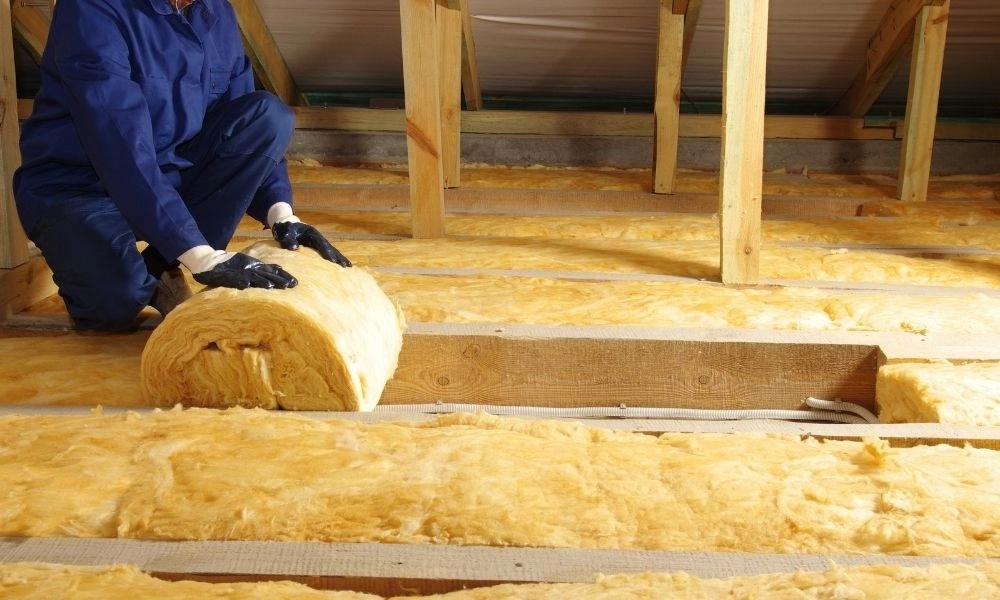
Loose-fill vermiculite attic insulation, common in Denver-area homes built before 1990, sometimes contains asbestos fibers from a contaminated Montana mine that supplied most of the U.S. market. Treat any vermiculite attic insulation as asbestos-containing until a lab test says otherwise, and do not disturb it while storing items in the attic.
Standard Colorado homeowners policies treat asbestos testing and removal as routine maintenance, not a covered expense; some policies cover abatement only when it results from a covered peril, such as a pipe burst that damages asbestos-wrapped insulation. Check your policy's pollution and contamination exclusions before assuming coverage applies.
Encapsulation seals asbestos-containing material in place with a bonding sealant, leaving it undisturbed rather than removing it - a common, lower-cost option for pipe wrap or a textured ceiling that is intact and not going to be disturbed by a remodel. Encapsulation runs $2 to $6 a square foot, compared with full removal at $10 to $25 a square foot. Full removal is the requirement when the material will be demolished, when it has already been damaged, or when a lender or buyer requires it as a condition of the sale.
A single-room abatement, such as removing vinyl floor tile in one bedroom, takes 1 to 3 days once a certified contractor is on site and includes containment setup, removal, air clearance testing, and containment teardown. A whole-house project covering multiple rooms and materials runs 1 to 3 weeks. Plan your listing date or move-in date around the air clearance test result, not the removal date - a home is not clear to re-occupy until a third-party air test confirms fiber levels are back to normal.
| Project | Colorado Cost Range |
|---|---|
| Single-sample lab test | $300 to $700 |
| Full pre-remodel survey | $800 to $2,500 |
| Single-area abatement | $1,500 to $5,000 |
| Whole-house abatement | $8,000 to $30,000 |
Ask for the printable pre-1990 home renovation checklist in the form below and we email it the same day.
The Kenna Real Estate Group helps Front Range buyers and sellers work through disclosure, testing, and pricing on older homes with asbestos-era materials. Call or text 303-955-4220. A live person answers. Not a robot, not a phone tree. Or search every home for sale in Colorado.
Questions about any home in Colorado? Call or text 303-955-4220. A live person answers.
Homes built before 1980 in Denver, Aurora, and Colorado Springs carry the highest risk in floor tile, pipe wrap, and textured ceilings; a lab test is the only way to confirm it.
A single-sample lab test runs $300 to $700; a full pre-remodel survey runs $800 to $2,500.
Sellers disclose what they know on the Seller's Property Disclosure form; there is no requirement to test before listing if the seller has no prior report.
Colorado requires a CDPHE-certified contractor for regulated abatement work; do not disturb old flooring, pipe wrap, or texture without a test and, if positive, a certified crew.
Loose-fill vermiculite installed before 1990 in many Denver-area homes sometimes contains asbestos fibers; treat it as asbestos-containing until tested.
No, a standard inspection does not; order a separate test during the inspection objection period on any pre-1990 home.
A single-area removal runs $1,500 to $5,000; whole-house abatement runs $8,000 to $30,000 depending on how many materials are affected.
Standard Colorado policies treat it as routine maintenance, not a covered peril, unless the asbestos-containing material was damaged by a covered event like a pipe burst.