New - 21 Hours Ago
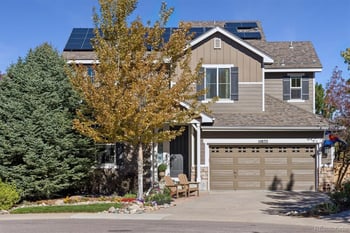
$980,000
Coming Soon
4
Beds
4
Baths
3476
Sqft
0.17
Acres
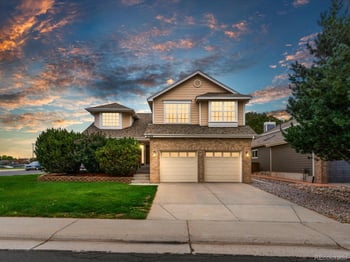
10833 Fox Sedge Way, Highlands Ranch, CO 80126
MLS#: REC4957701
.jpg)


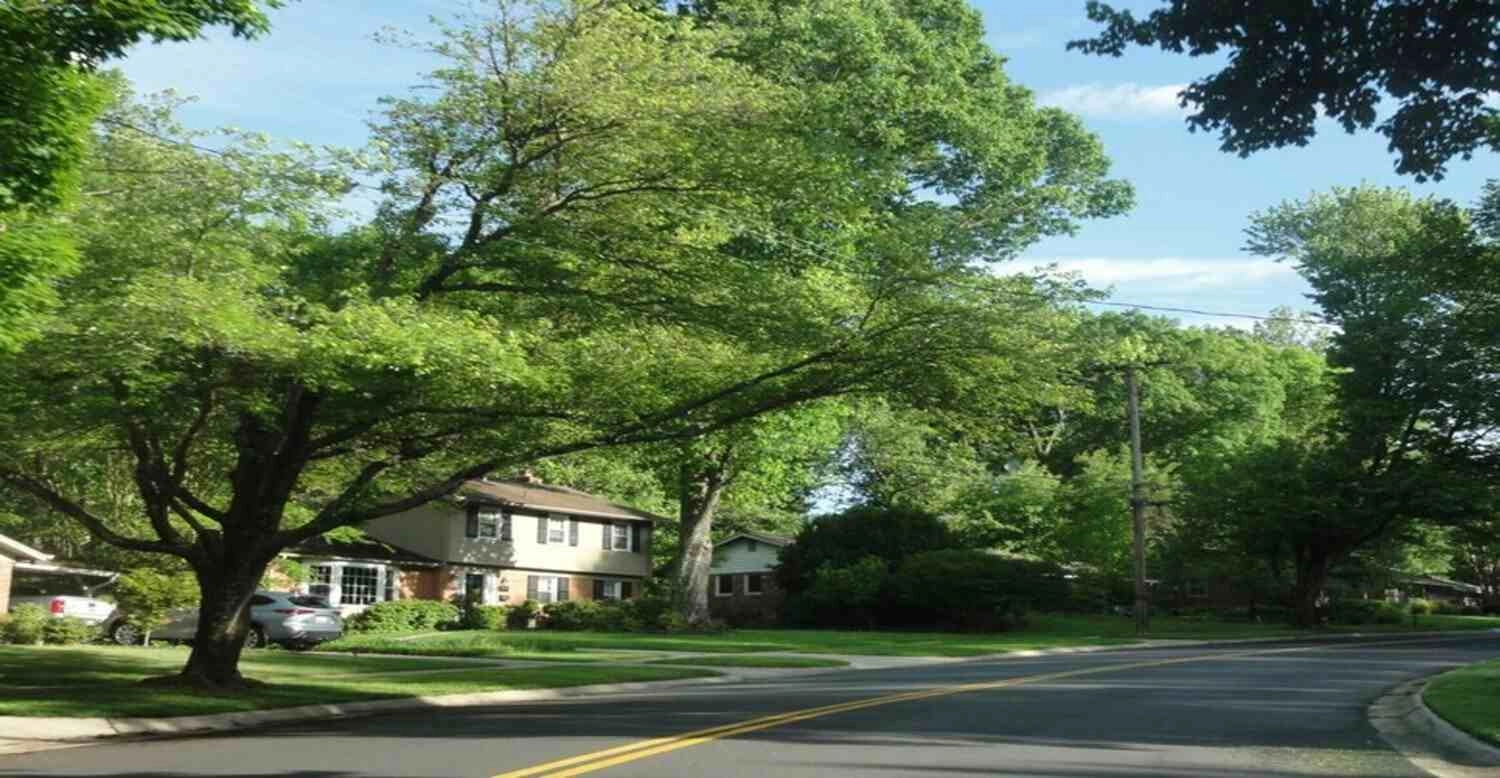
Location determines more of your daily life than the house sitting on the lot. Your commute, your access to trails and everyday errands, your HOA dues, and how the surrounding area develops over the next ten years all shape whether a Front Range home actually works for you. Here is how to evaluate it before you write an offer.
Many Colorado buyers end up in a master planned community — Highlands Ranch, Stapleton-turned-Central Park in Denver, or Anthem in Broomfield are well-known examples. These neighborhoods are built with consistent architecture, maintained common areas, and shared amenities like pools, trails, and clubhouses, which can make ownership simpler because a lot of upkeep is handled collectively. The trade-off is an HOA fee, commonly $50 to $300 a month on the Front Range depending on the amenities included, and a set of covenants that limit paint colors, fencing, and parking in ways an unrestricted older neighborhood does not.
Your daily commute affects your quality of life more than almost any other location factor. Drive the route at the actual time you would leave for work, not at 10 a.m. on a weekend showing. I-25 through Denver and the C-470 corridor through the southern suburbs both run dramatically differently at 7:30 a.m. than they do midday, and a 20-minute map estimate can become 50 minutes at rush hour. If light rail or bus access matters to your commute, check the RTD route map for the specific stop distance from the home, not just the general area.
If you spend weekends at restaurants and shops, a home near a walkable downtown corridor — Old Town Fort Collins, Downtown Littleton, or LoDo in Denver — delivers daily value a suburban cul-de-sac cannot. If you are an outdoor-focused buyer, proximity to open space, a regional trail system, or one of Colorado's foothills trailheads matters more than a formal amenity package. Make a short list of what you actually use every week, then map homes against that list instead of a generic amenity checklist.
Two homes at the same list price can carry very different total monthly costs once you add HOA dues and, in many newer Front Range developments, a metro district mill levy that shows up as a separate line on your county property tax bill. Ask your agent to pull the HOA budget and reserve study, and ask specifically whether the property sits inside a metro district and what that district still owes on its infrastructure bonds. A newer subdivision with a young, highly used metro district can carry a meaningfully higher effective tax rate than an established neighborhood a few miles away, and that gap can run several hundred dollars a month once you add both the HOA dues and the district mill levy together and compare it against a comparable home with neither cost.
Grocery stores, pharmacies, and urgent care access matter more day to day than a single big amenity. A home ten minutes from the nearest full grocery store is a very different daily experience than one that requires crossing a highway or driving through a congested arterial to reach one. Map the closest options for groceries, a pharmacy, and gas before you assume "close to everything" from a listing description is accurate.
Some Front Range blocks are quiet and residential; others sit near a busier commercial corridor with more going on in the evening. Neither is objectively better — it comes down to what you want daily life to feel like. A block backing to a busy arterial road will show lower resale demand than an equivalent home on a quiet interior street, so factor that into both your offer and your expectations for future appreciation.
Every neighborhood has its own rhythm. Visit on a weekday evening and again on a weekend morning, get a coffee nearby, and walk a few blocks in both directions from the house you are considering. This tells you more about noise, traffic, and everyday feel than a single daytime showing ever will.
A city or county's comprehensive plan, available on most Front Range municipal websites, outlines where new retail, transit, and higher-density housing are headed over the next decade. New light rail extensions, a planned retail corridor, or an approved large development nearby can raise long-term values, while a planned widening project or industrial rezoning nearby can mean years of construction noise. Check the municipal planning department's website and recent city council agendas for the specific area before you assume today's surroundings will stay the same.
An established Denver or Boulder neighborhood has mature trees, a fixed lot layout, and no metro district tax, but its housing stock carries an older roof, older mechanical systems, and less consistency in home condition block to block. A new-build community trades that for predictable finishes and lower near-term maintenance, offset by a metro district tax and, for many buyers, a longer buildout period with ongoing construction traffic nearby. Neither is automatically the better choice; it depends on how much predictability you value against how much character and established landscaping matter to you.
Front Range buyers consistently pay a premium for a shorter commute, walkable access to daily errands, and proximity to trails and open space, and that premium tends to hold up even in a slower market. A home a mile from I-25 access or light rail sells faster and for more, all else equal, than the same house twenty minutes further out. If you are weighing two comparable homes at different price points, ask your agent to compare recent sold data for both locations specifically rather than relying on a general market report.
If you are relocating from out of state and still comparing markets, new homes for sale in a market like Chattanooga shows how differently the same amenity package can price outside Colorado, which is useful context if you are weighing a Front Range move against staying put. As one general take on the topic puts it, location matters everywhere, but the specific factors that drive it vary a great deal by market.
The Kenna Real Estate Group can walk you through commute times, HOA and metro district costs, and how a specific neighborhood is expected to develop before you write an offer on a Front Range home. Call or text 303-955-4220. A live person answers. Not a robot, not a phone tree. Or search every home for sale in Colorado to compare locations across the metro.
Questions about any home in Colorado? Call or text 303-955-4220. A live person answers.
The house can be renovated; the commute, HOA rules, and surrounding development cannot be changed after closing. Location sets the ceiling on how much a home's condition can be improved to fit your life.
Roughly $50 to $300 a month depending on the amenities included, plus a separate metro district property tax in many newer developments that shows up on your county tax bill.
Drive the route yourself at the time you would actually leave for work, not during a midday showing. I-25 and C-470 both run very differently at rush hour than they do at 10 a.m.
A metro district is a local taxing authority that finances infrastructure in many newer Front Range developments. It adds a separate mill levy to your property tax bill on top of the HOA dues.
Established neighborhoods have mature trees and no metro district tax but older systems in many homes. New-build communities offer predictable finishes and lower near-term maintenance, offset by a metro district tax and ongoing construction nearby.
Check the city or county's comprehensive plan and recent planning department agendas, both posted on the municipal website, for approved development, transit, and zoning changes nearby.
Yes. Homes with shorter commutes and closer access to trails, transit, and daily errands consistently sell faster and for more than comparable homes further from those amenities.