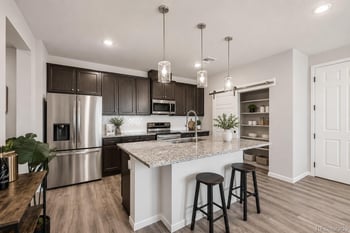
$310,800
Active
2
Beds
2
Baths
1085
Sqft
--
Acres
6153 N Ceylon St #10-303, Denver, CO 80249
MLS#: REC1819178
.jpg)



A well-maintained Colorado rental costs a landlord less over time than a neglected one, and it keeps the landlord on the right side of Colorado's habitability law. Working plumbing, heat, a sound structure and a functioning smoke and carbon monoxide alarm are not optional extras in Colorado; they are the baseline the law requires, and meeting that baseline is also what keeps a tenant renewing instead of moving out.
This guide covers what Colorado's habitability law actually requires, the deadlines that carry real penalties, and how routine upkeep protects both sides of the lease. Owners buying their first rental should also read our Colorado duplex and multifamily buying guide for what to check before closing.
Colorado's warranty of habitability law requires a rental to provide working heat, hot and cold running water, functioning plumbing and electrical systems, weatherproofing, and a structure free of conditions that materially affect health — mold beyond a minor amount, structural defects, or vermin infestation among them. The condition applies from move-in through the end of the tenancy, not just at signing.
Colorado law sets a response window once a tenant gives written notice, and heat or water outages count among the conditions that require prompt action given how directly they affect daily living. A landlord who does not respond within the required window opens the door to a tenant remedy, including repair-and-deduct in some circumstances or a habitability claim.
Yes. Colorado law requires a working carbon monoxide alarm in any rental unit with a fuel-burning appliance (furnace, water heater, gas range) or an attached garage. Checking and replacing alarm batteries at every turnover is a low-cost step that keeps a landlord compliant and reduces liability.
Mold beyond a small, easily cleaned area is a habitability issue the landlord must address once notified, and Front Range basements are a common source after spring snowmelt or a slow plumbing leak. Grading the exterior away from the foundation and running a dehumidifier in a below-grade unit prevents most of the mold complaints landlords deal with.
One month after move-out, or up to 60 days if the lease specifies that longer window, with a written itemization for any amount withheld. Missing the deadline exposes a landlord to a statutory penalty on top of the deposit itself.
Colorado's 2024 for-cause eviction law requires a qualifying reason to end certain tenancies rather than simply declining to renew, which raises the stakes on documenting maintenance requests and responses. A landlord with a clean paper trail of repairs made on time is in a far stronger position if a tenancy dispute ever needs to be resolved than one relying on memory.
After proper written notice and an unreasonable delay, Colorado tenants have remedies that can include repair-and-deduct for certain conditions, withholding rent into an escrow arrangement in some cases, or pursuing a habitability claim. Tenants who are unsure of their options sometimes reach out to a landlord-tenant attorney such as Castelblanco Law Group to understand what applies to their situation; renters are free to work with any attorney they choose.
Many Front Range cities require snow removal from sidewalks within a set number of hours after a storm, and a landlord who owns the walkway (rather than an HOA) carries that responsibility on a rental property. An icy, unshaded walkway is one of the most common premises-liability claims Colorado landlords face over a winter.
Yes. Listings with recent photos showing a clean, well-kept interior and exterior draw more inquiries and lease faster than units with visible deferred maintenance, and tenants who move into a well-cared-for unit renew at a higher rate than tenants dealing with an ongoing repair list.
A rental sold with a clean maintenance history and updated systems appraises closer to comparable owner-occupied sales; one with a visible repair backlog sells at a discount that reflects the buyer's cost to catch up on deferred items, plus the uncertainty of what else was skipped.
This documentation is what protects a landlord if a habitability dispute or a deposit disagreement ever needs a third party to resolve it.
Federal law requires a lead-paint disclosure and pamphlet for any rental built before 1978, and Colorado landlords follow that same federal requirement. A property with lead-paint-certified renovation work documented from any past remodel is a meaningful selling point to a tenant or buyer reviewing that disclosure.
Once a habitability complaint, a repair dispute or a deposit disagreement moves past a simple written exchange, a landlord-tenant attorney protects both the process and the outcome. Attorneys familiar with Colorado's habitability law and the 2024 for-cause eviction requirements can confirm a notice was written correctly before it becomes the basis of a larger dispute, which is far cheaper than fixing a procedural mistake after the fact.
The Kenna Real Estate Group works with Colorado landlords buying, selling or evaluating a rental property, including what maintenance items matter most before it goes on the market. Call or text 303-955-4220. A live person answers. Not a robot, not a phone tree. Or search every home for sale in Colorado to find your next rental property.
Questions about any home in Colorado? Call or text 303-955-4220. A live person answers.
Working heat, hot and cold running water, functioning plumbing and electrical systems, weatherproofing and a structure free of conditions that materially affect health, from move-in through the end of the tenancy.
Yes, in any rental with a fuel-burning appliance or an attached garage, checked and battery-tested at every turnover.
One month after move-out, or up to 60 days if the lease specifies that longer window, with a written itemization for any amount withheld.
Landlords now need a qualifying reason to end certain tenancies rather than simply choosing not to renew, which raises the value of a documented maintenance and repair history.
The landlord, unless an HOA owns and maintains the walkway. Many Front Range cities require removal within a set number of hours after a storm.
After written notice and an unreasonable delay, remedies can include repair-and-deduct for certain conditions or a habitability claim; a landlord-tenant attorney can explain what applies to a specific case.
Yes. A property with a visible repair backlog sells at a discount that reflects the buyer's cost to catch up, while a documented maintenance history appraises closer to comparable owner-occupied sales.