New - 15 Mins Ago

.jpg)


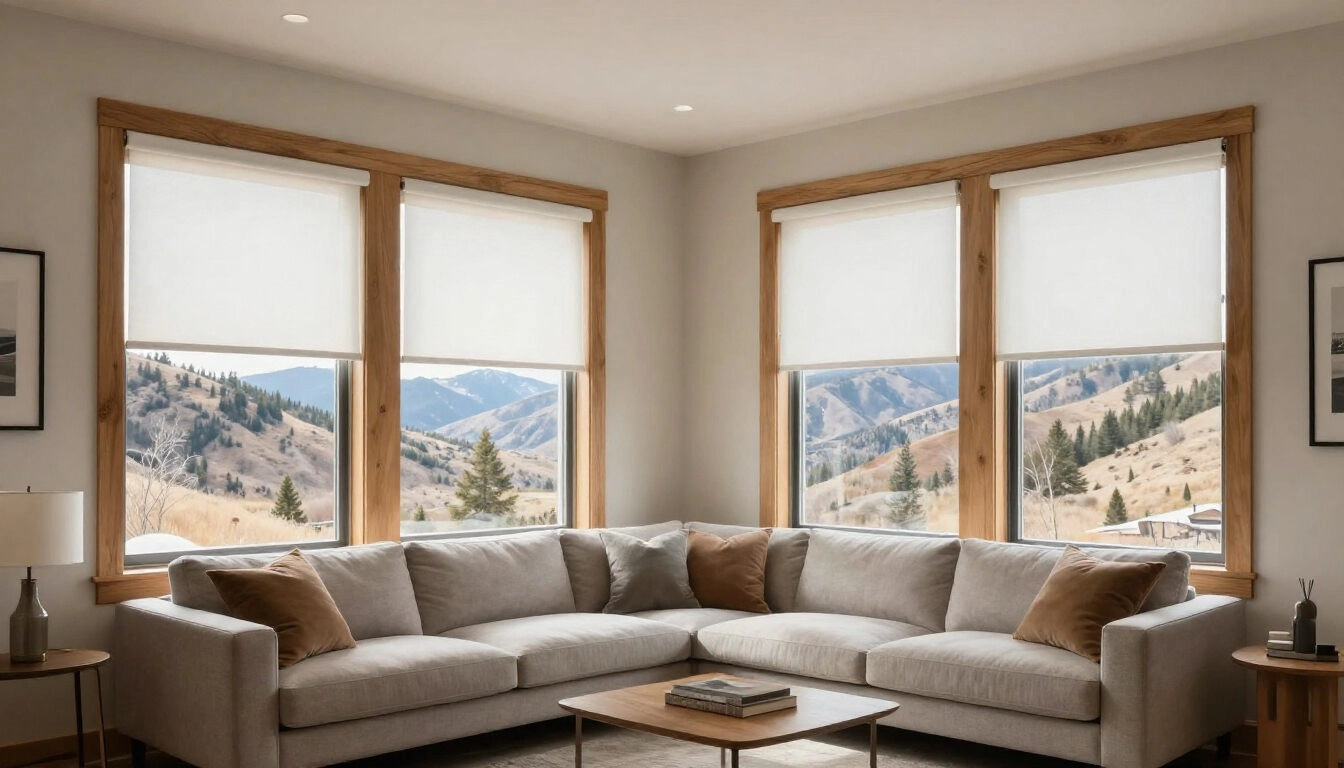
Sellers on the Front Range spend real money on fresh paint and staged furniture, then leave 2004-era mini-blinds hanging in the front window. Buyers register that mismatch immediately, even when they cannot name what feels dated about a room, and it works against the asking price before a single offer comes in.
Bent aluminum blinds, yellowed plastic valances, and curtains faded from years of direct Colorado sun are the first things a buyer's eye catches on a walkthrough, because window coverings frame every other feature in the room. A buyer will not say it out loud during the tour, but it registers as one more thing to replace, and that mental tally adds up across a full showing.
Front Range homes get close to 300 sunny days a year, and ultraviolet intensity at 5,280 feet is meaningfully stronger than at sea level. Fabric curtains and plastic mini-blinds on a south- or west-facing window show visible yellowing and fading within two to three years of daily sun exposure. That fading is one of the most common reasons window treatments look dated even when the rest of a room has been updated.
A full main-floor refresh, eight to twelve windows, with basic faux-wood blinds or simple white cellular shades runs $800 to $2,500 on the Front Range, well under most other pre-listing projects. Sleek window shades in a neutral white or light gray photograph well and appeal to the widest range of buyers.
The 2025 Remodeling Impact Report from the National Association of Realtors consistently ranks small, visible interior refreshes among the highest-recovery projects sellers complete before listing, because buyers react to first impressions more than they react to invisible upgrades. Window treatments are one of the least expensive items on that list.
Order and install replacement window coverings two to three weeks before listing photos, since some custom sizes on the Front Range take seven to fourteen business days to arrive. Stock blinds from a local retailer can go up the same week if the timeline is tighter.
Completely bare windows photograph well in bright, well-lit rooms but read as unfinished in a bedroom or bathroom where buyers expect privacy options. A simple white cellular shade or faux-wood blind, left open during the shoot, gives photos the finished look without blocking light.
Colorado's seller disclosure form covers the condition of the home's systems and structure, not decor items like blinds or curtains that convey by agreement rather than by default. Window treatments are negotiated as personal property in the listing rather than disclosed as a defect, so replacing dated ones is a presentation decision, not a legal one.
Colorado purchase contracts set an inspection objection deadline, negotiated in the purchase contract, during which the buyer can raise repair requests. Cosmetic items like window treatments almost never appear on an inspection objection because inspectors evaluate systems and structure, not decor, which is exactly why fixing them before listing pays off in first impressions rather than in avoiding a repair request later.
A living room with a good view benefits from pulled-back or removed treatments that show off the outdoor space, while a bedroom photographs better with the shades partly closed to signal privacy without hiding the window entirely. Kitchens do best with a simple valance-free look so the sink and counter area reads bright and open. Home offices photograph well with light-filtering shades that soften glare without darkening the room, since buyers increasingly ask about a dedicated work-from-home space.
Sellers juggling paint, carpet cleaning, and staging costs before a Front Range listing push window treatments to the bottom of the list because each individual blind looks cheap next to a $5,000 paint job. Priced across an entire main floor, though, treatments add up to a meaningful line item, and skipping it means buyers see the one thing on the list that did not get addressed. Pairing new treatments with other marketing preparation steps keeps the full pre-listing budget organized instead of treating each item separately.
A vacant Front Range home poses a specific window treatment problem: leaving windows completely bare through a listing period lets Colorado's strong UV exposure fade any remaining flooring or built-ins faster over a long marketing window, and it also signals an empty house to anyone walking or driving by, which some sellers prefer to avoid for a home sitting unoccupied for weeks. A simple, inexpensive white cellular shade in each street-facing window solves both problems for well under $500 across a typical main floor.
Before scheduling professional photography, an experienced Front Range listing agent walks each room checking for exactly the items covered here: bent slats, mismatched treatments, valances that date a room, and windows left completely bare where a buyer would expect at least minimal privacy. Catching these before the photographer arrives avoids a costly reshoot and gets the listing live with photos that represent the home at its best from day one.
A Front Range home listed while still tenant-occupied adds coordination on top of the usual window treatment checklist, since a landlord cannot simply swap out a tenant's personal curtains without agreement. In that situation, focusing the budget on street-facing and commonly photographed rooms, with tenant cooperation, gets most of the visual benefit without a full-property overhaul.
Window treatments read best alongside a broader pre-listing pass rather than as a standalone fix. A room with fresh paint, clean carpet, and new blinds photographs as a finished, move-in-ready space, while new blinds next to yellowed walls or worn carpet just draws attention to the parts that still need work. Sequencing treatments as one of the last steps, after paint and flooring are done, avoids overspray or dust damage to a brand-new shade.
Before a Front Range listing goes live, the Kenna Real Estate Group walks sellers through exactly which small fixes, window treatments included, move buyer perception and which ones are not worth the money. Call or text 303-955-4220. A live person answers. Not a robot, not a phone tree. Ready to see what's on the market? Search every home for sale in Colorado.
Questions about any home in Colorado? Call or text 303-955-4220. A live person answers.
Faded, bent, or yellowed window coverings read as deferred maintenance to buyers even when nothing else in the room needs work, which drags down first impressions during a showing.
Replace bent mini-blinds, yellowed plastic valances, and heavy dark drapes in small rooms. A consistent neutral look across the main floor photographs and shows better than a mismatched set.
A full main-floor refresh with basic faux-wood blinds or white cellular shades runs $800 to $2,500 for eight to twelve windows, far less than most other pre-listing projects.
Yes. Buyers rarely comment on it out loud, but faded or bent window treatments register as one more item to replace and factor into how they perceive the home's overall condition.
Bare windows photograph well in bright, sunlit rooms, but bedrooms and bathrooms read better with a simple, left-open shade or blind that signals privacy is available.
No. Colorado's seller disclosure form covers systems and structure. Window coverings are personal property negotiated separately, so replacing dated ones is a presentation choice, not a disclosure requirement.
Order two to three weeks ahead if choosing a custom size, since some products take seven to fourteen business days on the Front Range. Stock blinds can go up the same week.
No. Colorado inspectors evaluate systems and structure, not decor, so window treatments almost never appear on an inspection objection. Replacing them is about first impressions, not avoiding a repair request.


