By Brian Lee Burke
A Colorado Springs home search can move quickly from sandstone parks and older street grids to newer suburban roads. That variety is part of the appeal. It also explains why a neighborhood name is only the beginning of the decision.
Consider two homes with similar driving distance to work. From one address, the drive may join a major road through a nearby entrance; from the other, it may wind through several streets first. A house may appear close enough to a trail for a morning run but still leave groceries and other errands beyond a practical walk. Even the lower-priced property may bring different taxes, insurance needs, utility costs or homeowners association charges.
The useful comparison happens at two levels: what the citywide information tells you and what remains specific to the address.
| Part of the move | What citywide information can tell you | What still depends on the address |
|---|---|---|
| Neighborhood and street layout | How Colorado Springs describes established, changing, emerging and future areas | The home’s condition, immediate surroundings, sidewalks, parking, amenities and homeowners association |
| Walking and outdoor access | Where public parks, open spaces and trail connections are located | Whether you can reach them from the home and whether your goal is exercise, errands or both |
| Weekday travel | Major roads, current construction, closures and road conditions | The entrance, turns, primary driving route and realistic alternate you would use |
| Cost of ownership | Regional sale context and the types of charges and documents to review | The home’s monthly and upfront costs, financing, taxes, insurance, association charges, utilities and maintenance needs |
| Move-in tasks | General utility and Colorado residency procedures | The provider serving the address and any exception that applies to you |
Established, changing, emerging and future neighborhoods in Colorado Springs
Colorado Springs uses several broad categories in its city planning framework. Established Neighborhoods include Historic, Traditional and Suburban subcategories. The framework also identifies Changing Neighborhoods, Emerging Neighborhoods and Future Neighborhoods. Some neighborhoods overlap categories, while others are unique.
Think of the framework as a map legend. It explains broad differences in street layout, sidewalks, age and development, but it does not force every neighborhood into one box. Within the city’s PlanCOS neighborhood framework, Old North End and Old Colorado City are historic examples. Patty Jewett and Ivywild are traditional examples.
That language helps a newcomer understand the larger setting. At the property level, the questions become more specific. A historic label does not give you the age or repair needs of every home. A traditional label does not put groceries within a practical walk of every address. The framework also cannot tell you whether a property has an HOA—a homeowners association—or what that association may require.
The neighborhood category is therefore a starting point. The ordinary week takes shape closer to the ground: at the driveway or community entrance, along the nearby streets, in the parking arrangement and inside the documents tied to the home.
Compare walking for exercise with walking for errands
Street layout becomes more meaningful when you ask a simple question: What do you want to reach without getting in a car?
Colorado Springs offers several kinds of outdoor access. On the west side, the city-owned Garden of the Gods Park has sandstone formations, views of Pikes Peak, and paved and unpaved hiking paths. Admission to the park is free, and its Visitor and Nature Center is at North 30th Street and Gateway Road. Red Rock Canyon Open Space, also on the west side along Highway 24 at West High Street, has dirt trails for walking, bicycling and horseback riding; dogs must be leashed outside designated off-leash areas. Technical climbing requires a permit.
The northeast offers a different kind of trail connection. A 2020 city project account describes a Cottonwood Creek Trail connection from Wolf Ranch toward downtown through the Santa Fe Regional Trail and Pikes Peak Greenway. The trail passes under Powers Boulevard, Austin Bluffs Parkway, Woodmen Road and Academy Boulevard.
That record shows what was built at the time. It cannot tell you how long a trip from a particular home would take, and trail conditions may change. The city’s current trail resources provide trail maps, rules and trail-specific information to use before counting on an uninterrupted connection.
These places make the city’s outdoor appeal easy to understand. They also show why “walkable” needs a purpose. It may mean having a place to walk or run from home. It may mean reaching groceries and regular errands without driving. A street can work well for the first purpose and poorly for the second.
That distinction appeared in a June 2024 Colorado Springs discussion about walking and running in Wolf Ranch and Briargate. Participants described different experiences depending on the address and the errand. Their comments are personal observations, not a current survey or a verdict on either area. Their value lies in the questions they raise:
- Can the walk or run begin at the house?
- Does the path continue beyond the immediate block?
- Are groceries and other errands part of the goal?
- Would carrying purchases make the return walk practical?
The city’s transportation framework offers another clue. It identifies parts of Tejon Street downtown and in Ivywild, along with Colorado Avenue west of I-25, as pedestrian-focused urban-core street segments. That is useful citywide context, but the actual choice still comes down to the street, crossings and destinations near the home. One address can work differently from another, even along a street that fits the larger pattern.
Compare your weekday commute
Once a regular destination requires a car, the street pattern becomes a driving question. Colorado Springs’ transportation framework identifies I-25 and Powers Boulevard as the regional road backbone. It also contrasts downtown’s finer street grid with the curving street networks common in newer suburban areas. Research Parkway, Briargate Parkway, Dublin Boulevard, Stetson Hills Boulevard, Barnes Road and Centennial Boulevard are examples of major roads in those newer areas.
Those road patterns do not predict traffic, but they help explain why driving distance alone can mislead. The drive from one home may reach a major road quickly. From another, the drive may require several turns before reaching the same regional connection. On a map, the distances can look alike. Behind the wheel, the trips may unfold differently.
Map the primary driving route from each exact address to the places you visit regularly. Include the street or community entrance, turns onto major roads and any stop you normally make on the way home. Then find an alternate driving route you could realistically use if construction or a closure affects the usual one. When practical, test both around the times you expect to travel.
For current construction, closures and road conditions, the Colorado Department of Transportation directs drivers to COtrip. It can help with the trip you are planning now. Because road conditions change, a current observation from the tool should not become a permanent judgment about an area.
A September 2026 Colorado Springs neighborhood discussion brings the travel-and-cost relationship into focus. One person who reported moving from Briargate to Old North End described a different downtown trip and higher housing expense. One experience cannot supply a typical commute time or housing cost for either area, but it shows why those two questions belong in the same comparison.
For a Briargate address, see whether the mapped drive uses Research Parkway, Briargate Parkway, Powers Boulevard or I-25, and whether a workable alternate is available. For an Old North End address, follow the drive into the downtown street grid. Then place those trips beside the full costs of the homes. The question is not which neighborhood wins. It is whether one home’s travel-and-cost tradeoff fits your plans better than the other.
Compare the full cost of owning a home
The mention of higher housing expense leads to a practical question: Which number are you comparing?
The Pikes Peak Association of REALTORS reported a $450,000 median sale price and 1,101 closed sales in September 2026 for all property types in the elevateMLS market. A median is the middle sale price when the sales are placed in order. This regional market report covers an area broader than Colorado Springs city limits and includes surrounding communities.
That $450,000 figure is a dated snapshot of regional closed sales. It is not a Colorado Springs city median, a neighborhood median, a detached-home median, a rent figure, a current asking price or a complete ownership budget. Each of those figures answers a different question about a different group of properties.
The current Colorado Springs homes search supplies another part of the picture. It includes Active and Coming Soon listings across the city. Those are listing statuses rather than closed sales, and their asking prices do not show what homes ultimately sold for.
For an individual property, keep two sides of the budget in view. The full monthly cost shows what ownership may require on an ongoing basis. Upfront costs show what may be due around the purchase and move. Proposed financing, taxes, insurance, association charges, utilities and property condition can affect one or both sides.
Separate a metropolitan district from an HOA
When you review property taxes, you may encounter an unfamiliar Colorado term: metropolitan district. A metropolitan district is an independent entity created under state law. It can issue bonds—a form of borrowing—to pay for public improvements. Some districts also maintain or operate facilities.
According to the City of Colorado Springs’ special-district guidance, most metropolitan districts levy property taxes, but not all do. A levy is a tax imposed by the district. An operating levy may support administration or services, while a debt-service levy may repay bonds. Because district responsibilities vary, the tax information and district documents for the address matter more than the general label.
A metropolitan district is different from an HOA. The district may affect the property-tax bill; an HOA has its own governing documents, rules and charges. A property may be within a metropolitan district, have an HOA, involve both or have neither. Kenna Real Estate Group’s guide to Colorado Springs metropolitan districts and property-tax checks explains how to examine the district question for an individual address.
Understand the insurance numbers
Insurance brings another set of numbers. A premium is the price of the coverage. A deductible is the amount the policyholder pays toward a covered claim before the insurer pays its share. Replacement cost refers to the amount needed to rebuild or replace covered property; it is different from the home’s market price.
The Colorado Division of Insurance’s homeowners and HOA insurance toolkit recommends asking about rebuild cost, roof and material updates, and whether you could cover the deductible. If an HOA is involved, its master policy and the owner’s individual policy may divide responsibilities. Loss-assessment coverage may address some costs beyond the master policy or its deductible, depending on the policies and association documents. Reading those documents beside the quote for the home shows how the responsibility is divided.
Include water and yard care
The landscape itself also belongs in the cost conversation. Colorado Springs Utilities describes the local climate as semi-arid, meaning relatively dry. A larger irrigated yard and a property with less to water can raise different questions about irrigation and upkeep. Neither tells you what a particular water bill or maintenance workload will be.
The utility’s Water Wise Rules allow watering up to three days per week. During the May 1 through October 15 seasonal window, watering is allowed before 10 a.m. or after 6 p.m. Provider-specific rules, permits and exemptions may apply, so use the service address and current rules for the property.
Together, these records build a clearer ownership picture:
| Cost or document | What it helps you understand |
|---|---|
| Asking price and proposed financing | The purchase amount and the financing costs that affect the upfront and monthly budget |
| Property-tax information | The property taxes and any applicable metropolitan-district levy shown in the records |
| Insurance quote | Premium, deductible, replacement cost and property-specific coverage questions |
| HOA documents, if applicable | Charges, rules, owner duties and the association’s insurance responsibilities |
| Utility and water information | Providers, account setup, watering rules and property-specific use |
| Property condition | Repairs, updates and maintenance that may affect upfront or ongoing costs |
The point is not to turn every home search into an accounting exercise. It is to keep three very different figures in their proper roles: a dated regional benchmark, a current asking price and the full monthly and upfront costs of one property.
Set up utilities before move-in
Once you have a confirmed address, cost planning becomes move-in timing. New Colorado Springs Utilities customers can apply for residential service through My Account. Existing customers moving within the utility’s service territory can request a transfer.
The application asks for the service address and requested start date. Processing may take up to three days, so leave room for that window in the move-in schedule. The Colorado Springs Utilities instructions for starting, stopping or transferring service explain the available requests.
Utility providers and service availability remain address-specific, and another provider may serve the home. Identify the provider first, then open or transfer the accounts the address requires.
Deadlines for a Colorado driver license, vehicle title and registration
The home may be ready before the paperwork is. Colorado gives new residents different deadlines for obtaining a driver license and titling or registering a vehicle. According to the Colorado Division of Motor Vehicles guidance for new residents, after establishing Colorado residency you generally have:
- 30 days to obtain a Colorado driver license
- 90 days to title and register a vehicle
The state defines the conditions that establish residency, so simply arriving in Colorado does not necessarily start the clock. Military exceptions depend on the person’s circumstances; military status alone does not create one. The state guidance explains the rules that may apply to you.
Keep the license documents, vehicle title and registration papers, insurance information and proof related to residency together. The deadlines differ, but both tasks are easier when the paperwork is ready.
Compare each address in two parts
By this point, the method is simple. For every home you are comparing, look first at the ordinary week around the address. Then look at the property and its ownership details.
| Around the address | Property and ownership details |
|---|---|
| PlanCOS category or overlapping categories | Full monthly and upfront costs |
| Street, block, driveway or community entrance | Asking price and proposed financing |
| Primary and alternate driving routes to regular destinations | Taxes and any metropolitan district |
| Walking goal: exercise, errands or both | HOA documents and charges, if applicable |
| Access from the home to parks or trails you expect to use | Insurance terms and quote |
| Current road and trail information | Utility providers, water rules, condition and maintenance needs |
This method does not produce one winner for everyone. It does something more useful: it shows whether a home’s location, daily travel and full costs work together for the move you are planning.
Search current Colorado Springs homes
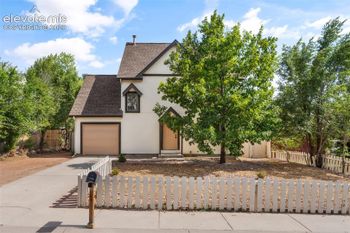
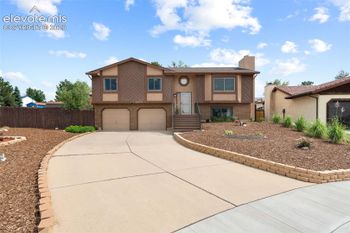
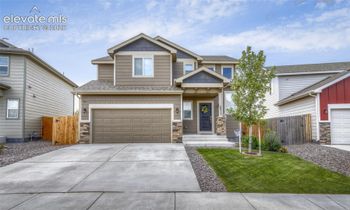
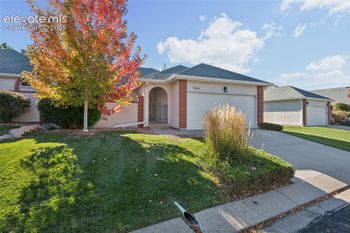
Browse current homes for sale in Colorado Springs and choose a few properties for a side-by-side comparison. Apply the same questions to each address: the surrounding area, weekday commute, full ownership costs and move-in requirements.
If a listing raises a question about the property, its location or your move, use the contact form below to send that question to Kenna Real Estate Group.