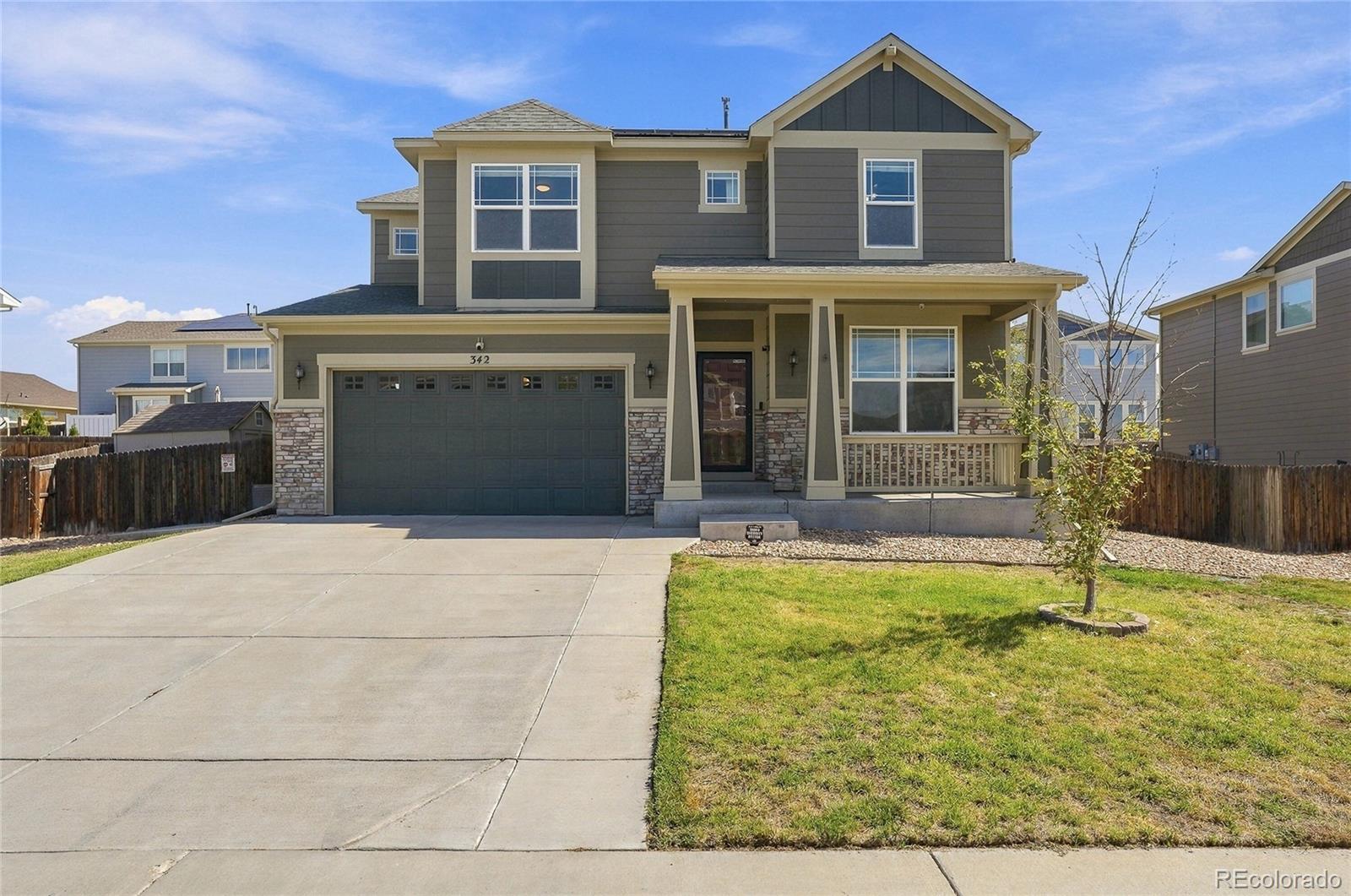
The Preserve is a Brighton neighborhood with a named homeowners association, shared stormwater facilities, and a City record for pond and street repairs. Those common elements make the HOA documents and public repair record part of the home comparison, but they do not replace an inspection or answer what is happening at one address.
Compare each home's condition, lot, drainage, prior exterior work, permits, HOA account, insurance quote, and monthly obligations. Then review the current status of the ponds and nearby streets. A subdivision-wide project can matter to the neighborhood while the practical effect still differs from one home or block to another.
Start With the Home, Lot, and Common Elements
The City identifies The Preserve as a planned-unit-development area and continues to use the subdivision name in permit reports. That gives buyers useful record doors: a legal description, City permits, HOA documents, and any recorded plats or development standards tied to the property.
At the home, look at grading, downspouts, window wells, basement or crawl-space signs, fences, patios, retaining features, and how water moves across the lot. Ask for permits and HOA approvals for prior work. A clean listing description does not prove that an addition was permitted, that exterior work was approved, or that drainage performed the same way during a major storm.
The common elements deserve their own file. Request the current declaration, rules, budget, reserve information, insurance summary, meeting records, owner account statement, and available project updates. The goal is to separate community responsibilities from the seller's maintenance responsibilities before comparing costs.
Compare Location, Condition, and Project Exposure
The City staff report names pond work plus repairs involving Chavez Street, Telluride Street, a box culvert, drainage pipe, curb, gutter, sidewalk, and asphalt. Use that as a map for questions, not as a claim that every item is complete today.
- Home position
- Near a pond or drainage feature
- What to inspect
- Lot slope, inlets, standing-water signs, basement or crawl-space evidence
- What to request
- Current project status, HOA records, survey, seller disclosures, and insurance quote
- Home position
- Near Chavez or Telluride
- What to inspect
- Present access, pavement, sidewalks, work areas, and daily street use
- What to request
- Current City and HOA updates plus any property-specific impact documents
- Home position
- Farther from shared work
- What to inspect
- The home's own drainage, condition, exterior work, and maintenance history
- What to request
- The same HOA financial and project records; distance does not remove shared obligations
Check HOA, City, and Property Records Separately
A 2025 City staff report says The Preserve at Brighton HOA brought a 2018 lawsuit involving development parties and stormwater facilities. The report labels the design and construction statements as allegations in the complaint. It also says the later settlement assigned pond and North Outfall connection work to the HOA, followed by specified street work by the City.
That history explains why buyers should ask for current documents instead of relying on a headline or old dispute. Request the HOA's current project update, financial records, owner notices, available engineering or permit materials, and the seller's disclosures. Ask the City for current permit and inspection status when it matters to the address. Do not assume a 2025 funding or work description proves completion in 2026.
City permit reports provide another property-level check. Search the exact address for roofing, mechanical, plumbing, electrical, basement, deck, fence, or other work. Then compare the permit record with what you see in the home and what the seller provides. HOA approval and City permitting answer different questions; some work may need both.
Finish with title, insurance, inspection, and lender records. Confirm HOA transfer or resale documents, current dues and assessments, the owner's account status, coverage boundaries, deductibles, and any property-specific exclusions. These records turn a broad community issue into a home-level ownership decision.
Questions Buyers Ask About The Preserve
What should I ask about the pond and street project?
Ask for the current HOA project update, City permit and inspection status, owner notices, available engineering records, expected responsibilities, and any effect tied to the specific property.
Does the City record prove the repairs are finished?
No. The City staff report describes the 2025 proposal, settlement responsibilities, and planned work. Verify present conditions and current records before relying on that description.
What HOA documents should I request?
Request the declaration, rules, budget, reserve information, insurance summary, meeting records, resale documents, owner account statement, assessment notices, and current project updates available for review.
How do I check prior work at a home?
Compare the exact-address City permit record with seller disclosures, inspection findings, invoices, warranties, and HOA approval records for exterior or common-interest work.
What drainage signs matter during a showing?
Look at lot slope, downspouts, window wells, basement or crawl-space evidence, staining, grading changes, inlets, and standing-water signs. Use a qualified inspection for the property.
Official Sources
HOA, ponds, streets, and land use
Address-level permit records
Ask About a Home in The Preserve
Kenna Real Estate Group can help you compare a specific home's condition, permits, HOA documents, project records, seller disclosures, insurance quote, and monthly obligations. Call, text, or email when you want to put those records beside another home.