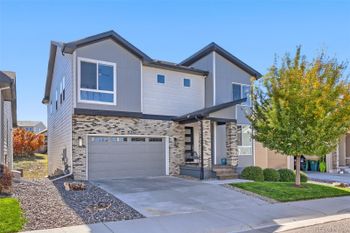
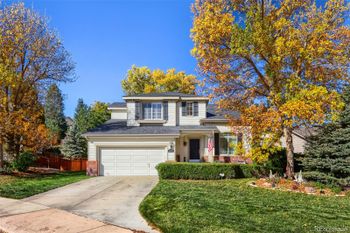
New - 5 Hours Ago

$625,000
Active
3
Beds
4
Baths
2500
Sqft
0.16
Acres
864 English Sparrow Trl, Highlands Ranch, CO 80129
MLS#: 2009664
Highlands Ranch, Colorado
Highlands Ranch vs Castle Rock is for homebuyers choosing between south-metro Denver routines, monthly cost, and the way a specific property needs to work.
A live person answers. Not a robot, not a phone tree.
Highlands Ranch vs Castle Rock is for homebuyers choosing between south-metro Denver routines, monthly cost, and the way a specific property needs to work.
The trap is treating the suburb name like the answer. Not quite. The local reality is address-level math: taxes, HOA dues, metro-district mill levies, insurance, route, grade, and condition can change the decision.
Use this guide to compare commute, home type, lot fit, HOA rules, metro-district costs, public records, and the downside of each place.
Use this as the map before you decide one side has already won.
It focuses on the parts that change a real decision: commute route, house age, lot and grade, HOA structure, metro or special district exposure, tax record, insurance, condition, and the monthly number after everything is included.
This is the hub page. It orients the search and points you to the right listing page when you are ready to browse live homes. The linked Highlands Ranch, Castle Rock, and Parker pages handle the property search itself.
Start with addresses, not reputations.
For each candidate home, build the same file: route, floor plan, stairs, lot size, slope, driveway grade, outdoor upkeep, garage and storage, roof and major systems, HOA rules, special district exposure, tax record, insurance quote, and lender-modeled payment.
Use the Douglas County — Assessor for property and tax records. Use Colorado DOLA’s CO Special Districts tool for metro district or special district and mill-levy questions. Use the Highlands Ranch Metro District site for Highlands Ranch local-government services, and use the Town of Castle Rock pages for Castle Rock neighborhood, property-tax, and metro-district context. Use the Douglas County School District school locator for school boundary questions by exact address. Use a licensed lender for loan terms, payment modeling, and rate questions.
A useful commute test is tied to real destinations. A route to the Denver Tech Center is different from a route to downtown Denver, a regular appointment, school pickup, or another fixed address. Run the route from the actual driveway at the times you would travel.
Status labels do not help here. Compare the place by objective property attributes and records, not by assumptions about the people who live there.
The broad numbers show where to look harder; the exact address decides whether the home works.
Treat each downside as something to test before you get attached to a specific house.
Neither downside makes one place the winner or loser. The question is which trade-off you can verify, price, and live with at the address level.
Go to live listings once you know which question you are trying to answer.
Use those pages for current homes. Use this guide to keep the comparison tied to cost, route, records, and the trade-off you are actually choosing.
Make the favorite home pass the same record check, no matter which suburb it sits in.
The usual sticking points are distance, cost, and the comments people repeat about each place.
Use each answer as a prompt for one address. If the address fails on route, records, or monthly cost, the suburb label cannot fix it.
Pick the page that matches where you are in the decision.
If Highlands Ranch is already working on commute and cost, browse Highlands Ranch homes for sale. If Castle Rock is the side you want to check harder, browse Castle Rock homes for sale. If the search needs one more south-metro comparison point, browse Parker homes for sale.
When a specific home stands out, bring the address, HOA name, metro or special district name, tax-record questions, and commute route to a Kenna Real Estate Group agent. The decision is not which suburb wins. It is which address still works after the records, route, and monthly cost survive the same test.
Highlands Ranch vs Castle Rock gets clearer one address at a time. Compare payment, commute, HOA rules, district costs, lot, condition, and the downside you can actually accept.
Bottom line: the sign says the suburb; the records tell you the deal.
Use driveway-to-destination travel time, not a fixed center-to-center number. Castle Rock is the farther-south side of this comparison, so test the I-25 route from the actual home to the Denver Tech Center, Denver, or your own endpoint at the hours you would travel. Do the same for Highlands Ranch and any Parker backup address.
Castle Rock carried the higher median active-listing price in the cited MLS benchmark. It was ≈$995,000 versus ≈$761,000 for Highlands Ranch in June 2026 Denver-metro live MLS medians. That does not prove every Castle Rock home has the higher payment. Compare the exact tax record, HOA dues, insurance, and any metro-district mill levy before deciding which home costs less each month.
Treat local comments as flags to check, not verdicts. Highlands Ranch often gets discussed through master-planned sameness and HOA rules. Castle Rock often gets discussed through commute, growth, and metro-district tax questions. The useful move is practical: read HOA documents, test the route, use Colorado DOLA for district and mill-levy questions, and use the Douglas County Assessor for property and tax records.
Yes. A lower price can lose its advantage if taxes, HOA dues, district mill levies, insurance, or repair costs are higher at that address. Model the full payment with a licensed lender, then check the property tax record through the Douglas County Assessor and district exposure through Colorado DOLA’s CO Special Districts tool.
No. Treat metro or special district costs and HOA dues as separate line items until the address proves otherwise. Use Colorado DOLA’s CO Special Districts tool for district and mill-levy questions, then read the HOA documents for dues, rules, and maintenance responsibilities. Stack both into the monthly number before comparing homes.