Aurora Highlands combines several residential villages and home types under a community-wide authority, while separate metropolitan districts carry their own maps, budgets, legal records, and property-tax effects. The community name alone does not tell you which district, rule set, maintenance duty, or cost applies to a particular home.
Aurora city limits and neighborhoods map
The navy shape is the City of Aurora as the US Census Bureau draws it in its 2026 boundary data. The sage shapes around it are the neighboring towns and unincorporated areas. Teal pins mark landmarks. Rust pins mark local favorites: places to eat, shop and get outside. Sage pins mark Aurora neighborhoods with homes for sale, each placed at the center of its listings.
Tap a pin to open that area
- Landmark pin
- Local favorite: places to eat, shop and get outside
- Neighborhood pin
- Aurora city limits
- Outside the city: another town or city
- Outside the city: unincorporated (uninc.)
- County line
- Highway
Map not to survey scale. Boundaries are simplified for display; the official city and county sites below are the record for any one address.
Check an address: Arapahoe County property search
Sources: US Census Bureau TIGER/Line and TIGERweb boundaries and roads, 2026 vintage; US Census Bureau Geocoder; Neighborhood pins: average location of each community's active and coming-soon MLS listings on kennarealestate.com, pulled October 11, 2026; Landmarks and local favorites: each place's official website or the managing agency's page.
Local favorites in Aurora Highlands
- Winged Melody Park: Central Aurora Highlands park with a covered event stage, a carousel, playground and garden facing the clocktower.
- Hogan Park at Highlands Creek: Two-mile creekside park with a collection of outdoor public art installations.
- El Lucerito Jr: Mexican restaurant near Tower Road and I-70 cooking its dishes from scratch.
Start with the home and lot you want, then identify its CAB documents, metropolitan district, tax bill, title record, and builder history. That sequence makes it easier to compare similar-looking homes without assuming their recurring obligations are the same.
How the Community Structure Affects a Home
The Aurora Highlands Community Authority Board, usually called the CAB, manages CAB property and other common areas and provides community-wide services. It was formed by several member metropolitan districts. Those districts remain separate local governments with their own boundaries and public records.
For a buyer, that means two reviews run side by side. The CAB documents explain community rules, design review, services, and shared-property responsibilities. The applicable district's map, budget, legal records, and the home's tax bill explain the district side. Title work should identify every authority attached to the exact property.
Homes, Villages, and Lot Position
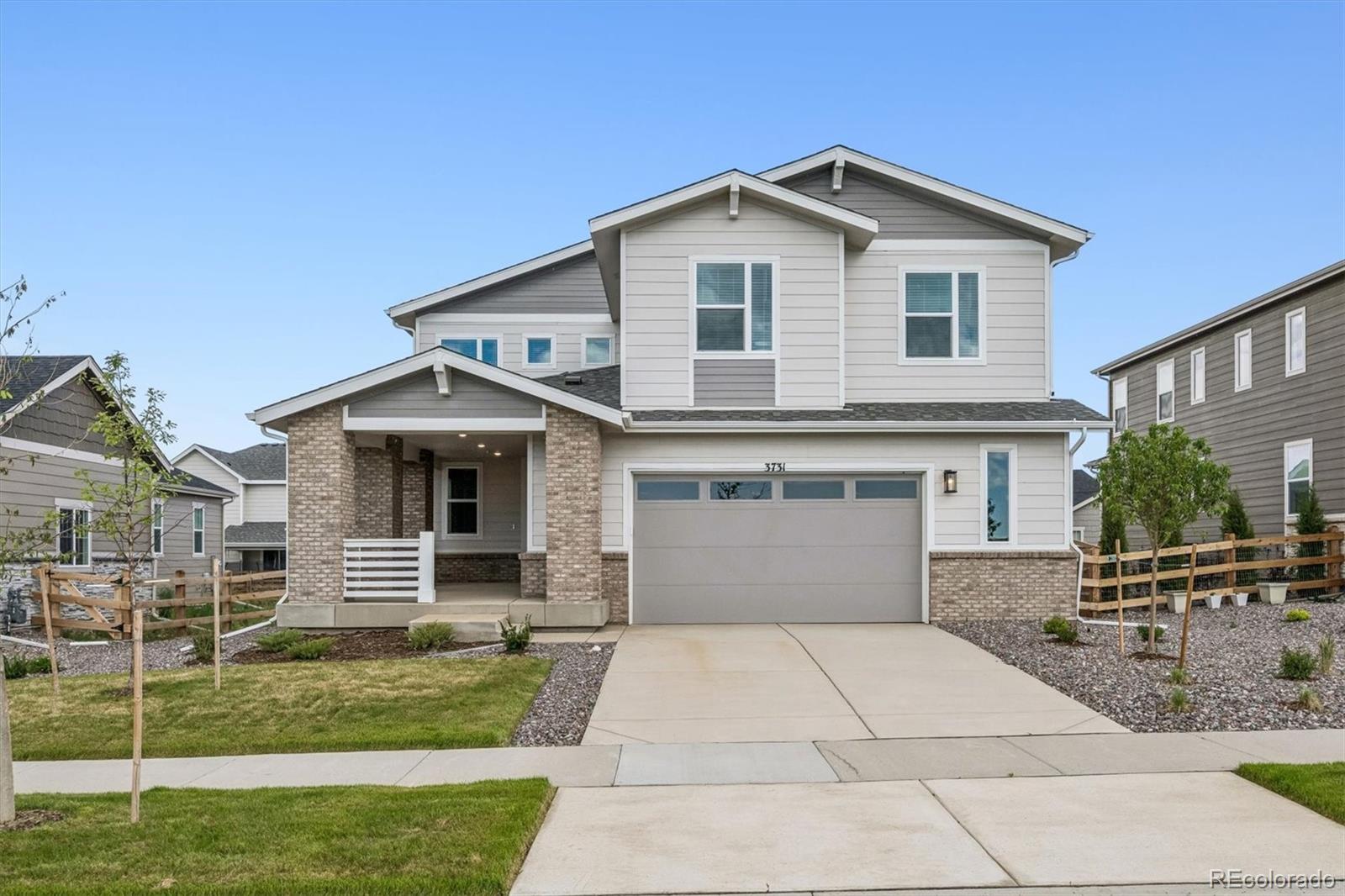
The published land plan describes attached homes, multifamily groupings, and single-family residences arranged as residential villages. Those categories create different questions about shared walls, exterior insurance, private yards, association or CAB responsibilities, parking, and the amount of maintenance left to the owner.
Lot position matters too. Compare the edge beside the property, the way the garage and front door connect to the street, nearby common space, and the most direct entrance for your regular trips. Builder areas shown on a plan are proposed and subject to change, so confirm what exists around a specific home instead of treating a plan as a delivery promise.
How to Test the Daily Routine
Use the exact address for the practical test. Drive the streets you would use at the time you normally travel, note which streets connect the address to the community exits, and walk the immediate block. A home closer to common space may make an outdoor routine easier, while a home nearer an outer connection may shorten some drives.
Then identify who maintains each edge you care about. The City maintains public streets, the CAB maintains CAB property and certain common areas, and owners maintain their private homes and lots unless current documents assign a task differently. Snow, landscaping, drainage, fences, and exterior work should be checked against the current documents for the exact property.
The Main Choices Inside Aurora Highlands
- Choice
- Single-family home
- Practical benefit
- More separation and direct control over the home and lot
- Cost or obligation to compare
- More exterior and lot maintenance may remain with the owner
- Choice
- Attached or multifamily home
- Practical benefit
- Some exterior work may be handled through a shared arrangement
- Cost or obligation to compare
- Shared walls, insurance, dues, parking, and rules need exact-document review
- Choice
- Home beside common space
- Practical benefit
- A shared outdoor area may be close to the home
- Cost or obligation to compare
- Activity, access, privacy, and maintenance boundaries may differ
- Choice
- Home nearer an outer connection
- Practical benefit
- A more direct start to some regular drives
- Cost or obligation to compare
- The home may sit farther from some internal common spaces
None of these choices is automatically less expensive. Put the tax bill, district charges, any shared dues, an insurance quote, utilities, owner maintenance, and builder or warranty work on one worksheet for each home.
Costs, Rules, and Records to Review
Identify every governing layer
Confirm the CAB documents and the metropolitan district for the exact home. Review the Master Declaration, current handbook, design guidelines, budgets, meeting records, district map, legal notices, tax bill, and title work. Do not treat the CAB and a metropolitan district as interchangeable.
Separate recurring costs
Read the property-tax bill beside the CAB or other community fee information and the insurance quote. Ask what trash, recycling, common-area, exterior, and landscape services are included, and what remains the owner's responsibility. Current documents control even when a neighboring home appears similar.
Verify the property itself
Compare builder and warranty records, permits for later work, seller disclosures, the inspection, and any written approval for exterior changes. A CAB approval does not replace a City permit when a permit is required, and a permit does not replace private design approval.
Questions Buyers Still Ask
Are the CAB and metropolitan districts the same?
No. The CAB manages community-wide property, rules, and services. The member metropolitan districts are separate local governments with their own boundaries, budgets, legal records, and property-tax effects.
How do I know which district applies to a home?
Use the district maps, title work, property-tax bill, and district disclosure for the exact address. Ask the title company to identify every district and authority attached to the property.
Who maintains the street, common area, and private lot?
The City maintains public streets, the CAB maintains CAB property and certain common areas, and the owner maintains the private home and lot unless current documents assign a task differently.
What approval is needed for an exterior change?
Check the CAB design guidelines and request written design approval when required. Also check City permit requirements; one approval does not replace the other.
Which documents should I review before an offer?
Review the Master Declaration, handbook, design guidelines, CAB budget and meetings, district map and budget, tax bill, title work, insurance quote, seller disclosures, permits, builder or warranty records, and inspection.
Official Sources and Your Next Step
Open the current Aurora Highlands homes when you are ready to compare specific properties, or use the Aurora Area Guide to compare the wider city. Kenna Real Estate Group can help locate and review the CAB documents, district records, tax bill, insurance information, title work, seller disclosures, permits, and builder records for a named home.
Those records do not settle what to offer or how to compete for a home. Call, text, or email Brian Burke to talk through those decisions.