New - 4 Hours Ago

$499,000
Coming Soon
3
Beds
3
Baths
2191
Sqft
0.09
Acres
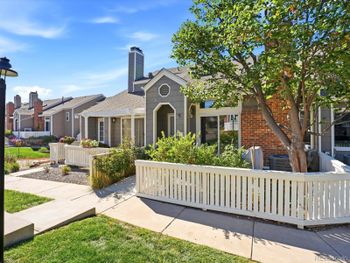
3280 Youngheart Way, Castle Rock, CO 80109
MLS#: 6889261
.jpg)


.png)
People moving to Colorado often ask about the weather. Locals tend to think about something else entirely: whether the house works with the weather or ends up fighting it. Along the Front Range, climate isn’t just a background detail. It shows up in driveways, utility bills, roof wear, and how confident you feel stepping outside on a winter morning.
This isn’t about forecasts or averages. It’s about how sun, wind, snow, and elevation interact with real homes and real routines. If you’re planning to live here long-term, choosing a home that cooperates with the climate can matter just as much as layout or finishes.
If you want the broader sequencing first—what to think through before you even start touring—this fits naturally alongside the strategic relocation checklist for the Colorado Front Range. And if reducing ongoing effort is already top of mind, it also connects closely to what “low-maintenance living” really means in Colorado.
The Front Range gets abundant sunshine, wide temperature swings, regular wind, and periodic snow and hail. None of that is inherently negative. The friction comes when a home’s orientation, layout, or exterior design turns those conditions into daily work.
Most long-time residents will tell you the same thing: the right house makes weather fade into the background. The wrong one makes you think about it every day.
Winter is when buyers truly understand whether a home was chosen thoughtfully. Snowfall itself is rarely extreme, but how long snow sticks depends heavily on orientation, exposure, and layout.
This is one of those quiet pieces of local wisdom that usually comes after a first winter. A south-facing driveway can be dry by midday after a snowstorm. A north-facing driveway may stay icy for weeks, even when daytime temperatures feel mild. Sidewalks, entry paths, and garage aprons behave the same way.
Colorado’s strong winter sun is one reason south-facing orientation plays such an outsized role in comfort and snow management — a principle long recognized in passive solar design.
For buyers planning to stay long-term, orientation often matters as much as square footage. It affects safety, confidence, and whether winter feels manageable or constantly slippery.
Pay close attention to how you enter the home. A gently sloped walkway with good sun exposure feels very different from a shaded set of steps that never quite dries out. These details don’t show up in listing photos, but they shape daily comfort—especially early mornings and evenings.
Wind is a constant presence on the Front Range, and hail is a recurring reality rather than a rare event. Over time, both influence roof lifespan, siding durability, and insurance behavior.
Many buyers are surprised to learn that hail and wind deductibles are often structured differently than other insurance claims. Roof age, materials, and exposure all matter. This doesn’t mean avoiding certain homes—it means understanding what you’re taking on and choosing designs that reduce long-term hassle.
This is one reason buyers often step back to compare how different Colorado home styles affect ongoing upkeep before settling on a specific property.
Colorado summers are generally comfortable, but sun exposure can create real differences inside a home. West-facing windows, especially in two-story layouts, can turn upstairs bedrooms into late-afternoon heat traps. South-facing windows, when paired with proper overhangs or shade, often provide light without overheating.
The question isn’t whether the home gets sun—it’s whether that sun is controlled. Window placement, ceiling height, insulation, and airflow matter more than outdoor temperatures alone.
Freeze–thaw cycles are a defining feature of Front Range ownership. Water works its way into small cracks, freezes, expands, and repeats. Over time, this affects concrete, steps, driveways, and flatwork around the home.
Good drainage, thoughtful grading, and well-maintained concrete reduce both maintenance costs and slip risks. These aren’t glamorous features, but they’re the ones you appreciate most during a cold snap after a snowmelt.
Utility costs along the Front Range tend to swing seasonally rather than stay flat. Winter heating and summer cooling depend heavily on insulation, exposure, and layout. Wind exposure, elevation, and temperature swings give utility patterns a different feel than flatter or more humid regions.
Homes that hold temperature well—especially single-level layouts with good insulation—tend to feel more predictable month to month. Over time, predictability usually matters more than chasing the lowest possible bill.
One realization many newcomers have is that the Front Range doesn’t live like a single place. Foothill-adjacent neighborhoods experience stronger wind and faster weather shifts. Sheltered suburban pockets feel calmer. Northern corridors often trade longer drives for quieter routines, while southern and southeastern corridors balance toll usage against commute time.
Climate, commute, and daily rhythm overlap here. Choosing a corridor that matches your routine can make weather feel like a background detail rather than a constant consideration.
For day-to-day reality during winter storms or high-wind events, many locals check COtrip to see how conditions actually affect roads across the Front Range.
When touring homes, it helps to run a quick mental checklist:
None of these are deal-breakers on their own. Together, they tell you whether a home will quietly support your routine—or require constant attention.
The best Front Range homes don’t eliminate weather. They manage it. They use sun as an asset, limit exposure where it matters, and reduce the physical and mental effort of daily upkeep.
Choosing a home that works with Colorado’s climate isn’t about perfection. It’s about long-term comfort, safety, and ease—the kind that lets you enjoy where you live instead of managing it.
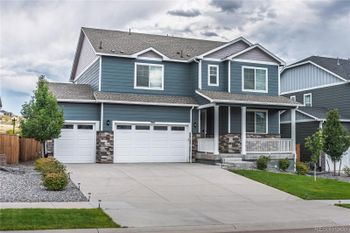
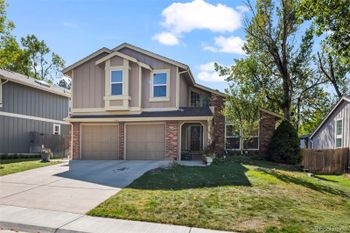
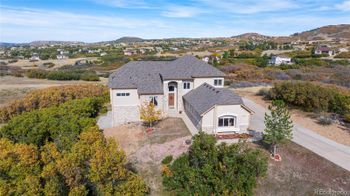
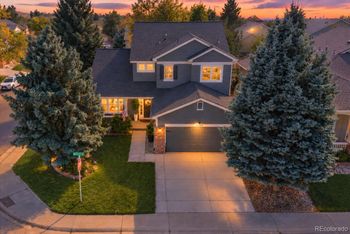
If climate comfort and predictability matter to you, the listing grid below can help ground these ideas in real options. Use it as a way to confirm how orientation, layout, and design show up in actual homes—not as pressure to decide before you’re ready.
Questions about any home in Colorado? Call or text 303-955-4220. A live person answers.


_0001.jpg)
If you’re shopping in Colorado for the first time (or you’ve been here a while but you haven’t moved in years), the labels can get confusing fast. A listing says “patio home” and you picture a little courtyard place with zero chores. Another says “paired home” and you wonder if that’s just a fancy way to say duplex. And then “condo” can mean anything from an elevator building downtown to a quiet,
.png)
“Low-maintenance” is one of those phrases that sounds reassuring until you live with it for a full year in Colorado. You see it in listing descriptions, community brochures, and casual conversations with friends, usually paired with words like easy, simple, or carefree. But once you’ve dealt with your first snowstorm, spring hail, or surprise exterior repair, you realize the phrase means very dif
.png)
Most people think choosing a home style is about preference. Ranch or condo. Detached or shared walls. Big yard or none at all. But in Colorado, the people who end up happiest in their homes usually didn’t decide that way. They narrowed their choices based on how they actually live—and what they don’t want to deal with anymore.This guide isn’t about ranking home styles or pushing you toward a par
.png)
If you’ve lived on the Front Range for any length of time, you know this isn’t just a floorplan debate. Colorado weather, daily routines, and how a home actually feels to live in tend to expose small design choices pretty quickly. A ranch can feel like a deep exhale. A two-story can feel like extra space—until it starts feeling like extra friction. The goal here isn’t to push one style over the o

When people search “cost of living,” they usually expect a spreadsheet—gas, groceries, and rankings. That framing breaks down quickly once you’re thinking about homeownership on Colorado’s Front Range. The real costs—the ones that shape your daily ease—show up as surprises, not line items. Taxes that vary neighborhood to neighborhood. Insurance rules that change after a hail season. HOA coverage