New - 3 Hours Ago
.jpg)


Match the frame material, glazing package, and gas fill to Colorado's specific climate stresses, sun, dry air, and repeated freeze-thaw, rather than buying on price alone. The wrong combination shows up as fogged glass, a warped frame, or a spiking heating bill within a few Front Range winters.
Vinyl frames expand and contract with Colorado's 40-degree daily swings more than fiberglass, which can loosen seals and glazing over 10 to 15 years in a harsh Front Range exposure. Fiberglass frames expand and contract at nearly the same rate as glass, which keeps the seal between frame and glazing tighter through repeated freeze-thaw cycles. Wood-clad frames look right in Denver's historic districts but need exterior maintenance to keep moisture from reaching the wood core; aluminum, while durable, conducts cold efficiently and needs a thermal break to avoid interior condensation in a cold Denver snap.
Vinyl costs less upfront, commonly $400 to $700 per window installed, and performs fine for a homeowner planning to sell within 10 years. Fiberglass costs more, $600 to $1,100 per window installed, but holds its shape and seal integrity longer under Colorado's UV and temperature stress, which matters more for a homeowner planning to stay 15 years or more.
Solar heat gain coefficient (SHGC) measures how much solar heat a window lets through; a lower number blocks more heat. A Denver metro home with west-facing windows, common on many Highlands Ranch, Aurora, and Parker floor plans, benefits from an SHGC of 0.25 to 0.30 to cut summer afternoon heat gain, while a south-facing window in a passive-solar design can use a higher SHGC to capture winter warmth. A knowledgeable window contractor sets SHGC by elevation and orientation instead of using one spec for the whole house, and asks for a floor plan showing compass direction before writing a quote.
Triple-pane glass adds insulation value and sound dampening but costs 15% to 25% more than a comparable double-pane window, and the extra weight matters on a large picture window in an older frame. For most Front Range homes, a quality double-pane window with a low-E coating and argon fill meets Denver's energy code and performs well; triple-pane earns its cost on a mountain-adjacent property with harsher winters or on a bedroom facing a loud road.
Argon gas fill, the standard in most residential windows, insulates well and holds up through Colorado's temperature swings for the life of a properly sealed unit. Krypton performs better in a narrower gas space, useful in a thin triple-pane unit, but costs more and offers little advantage in a standard double-pane Front Range window. A failed seal that lets gas fill escape shows up as fogging between the panes, the clearest sign a window needs replacing rather than repairing.
Correct window flashing directs water around the opening instead of into the wall cavity, and this detail matters more in Colorado than the window itself in preventing long-term damage. On a stucco Front Range exterior, re-flashing during replacement is standard practice rather than an optional upgrade, since stucco traps moisture against improperly flashed framing and leads to rot behind the wall that is not visible until the siding is opened up, the kind of hidden defect a pre-listing prep checklist should catch first.
Three quotes from licensed, locally established window contractors give a homeowner a real comparison on material, installation method, and warranty terms, not just sticker price. Ask each contractor how they handle flashing and whether they warranty labor separately from the manufacturer's product warranty; a low bid that skips a full tear-out and re-flash step costs more later in water damage repair, sometimes years after the invoice is paid.
A manufacturer's glass and frame warranty commonly runs 10 to 20 years, sometimes longer on premium fiberglass lines, but the installer's labor warranty is separate and runs a shorter one to five years. Confirm both in writing, and ask whether the warranty transfers to a new owner if the home sells, a detail that matters to a Front Range buyer weighing recent upgrades against a competing listing without them.
Replacing all windows at once qualifies for volume pricing from most Front Range contractors, commonly 10% to 20% below the per-window rate of a piecemeal approach, and finishes the energy-efficiency upgrade in one project instead of several. A homeowner on a tighter budget can prioritize the worst-performing windows first, the largest west-facing units and any with visible seal failure, and phase the rest over a few years.
A window's Sound Transmission Class (STC) rating measures noise reduction; a standard double-pane window rates around STC 26 to 28, while a laminated-glass upgrade reaches STC 32 to 35. Front Range homes near I-25, I-70, Colorado Boulevard, or under a DIA flight path benefit most from the laminated-glass upgrade, which also doubles as the impact-rated option for hail season and cuts the noise from spring storms hitting the glass.
Colorado's adopted building code sets a minimum net clear opening and maximum sill height for any basement window serving a bedroom, and a replacement window has to meet that opening size regardless of energy performance. Many Denver metro basements built before current code have undersized window wells; a full egress window and well upgrade during replacement brings an older basement bedroom into compliance and adds documented, usable square footage reflected in a Smart Pricing Report at resale.
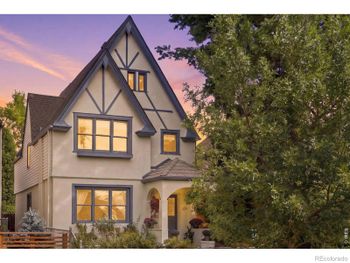
Denver's historic districts, covering parts of Baker, Capitol Hill, and other older neighborhoods, review replacement window material, grid pattern, and glazing to keep a home's street-facing look consistent with its era. Wood or wood-clad frames with true divided lights or simulated grids clear historic review faster than vinyl in most of these districts; confirm the exact requirement through the Denver ADU, zoning, and historic district guide or the local historic preservation office before ordering.
A full-house window replacement in the Denver metro runs from order to install in 4 to 10 weeks in most cases, the bulk of that time spent on manufacturing lead time rather than the one- to three-day installation itself. Ordering in the fall or winter, ahead of the spring rush most Front Range contractors see, shortens that wait and pairs well with financing questions answered through Kenna Credit Care mortgage readiness.
Whether a window upgrade is part of getting a Front Range home ready to list or one item on a longer buyer's punch list after closing, the Kenna Real Estate Group has the local answer on what pays back and what does not. Call or text 303-955-4220. A live person answers. Not a robot, not a phone tree. Ready to browse instead? search every home for sale in Colorado.
Questions about any home in Colorado? Call or text 303-955-4220. A live person answers.
Fiberglass expands and contracts at nearly the same rate as glass, keeping seals tighter through Colorado's 40-degree daily swings and repeated freeze-thaw cycles than vinyl.
For most Denver metro homes, a quality double-pane window with low-E coating and argon fill meets code and performs well. Triple-pane earns its 15% to 25% cost premium on mountain-adjacent properties or noisy road-facing rooms.
An SHGC of 0.25 to 0.30 cuts summer afternoon heat gain on west-facing windows, common on many Highlands Ranch, Aurora, and Parker floor plans.
Fogging or condensation between the panes is the clearest sign the gas fill has escaped and the seal is gone, meaning the window needs replacing rather than repairing.
Yes. Re-flashing during replacement is standard practice on a stucco Front Range exterior, since stucco traps moisture against improperly flashed framing and can lead to hidden rot.
Colorado's adopted building code sets a minimum net clear opening and maximum sill height for any basement window serving a bedroom. Replacement windows must meet that size regardless of energy performance.
Yes. Denver's historic districts review replacement window material and grid pattern to match a home's era. Wood or wood-clad frames with divided lights clear review faster than vinyl in most cases.
Order to install runs 4 to 10 weeks in most cases, mostly manufacturing lead time. Ordering in fall or winter, ahead of the spring rush, shortens the wait.