.jpg)


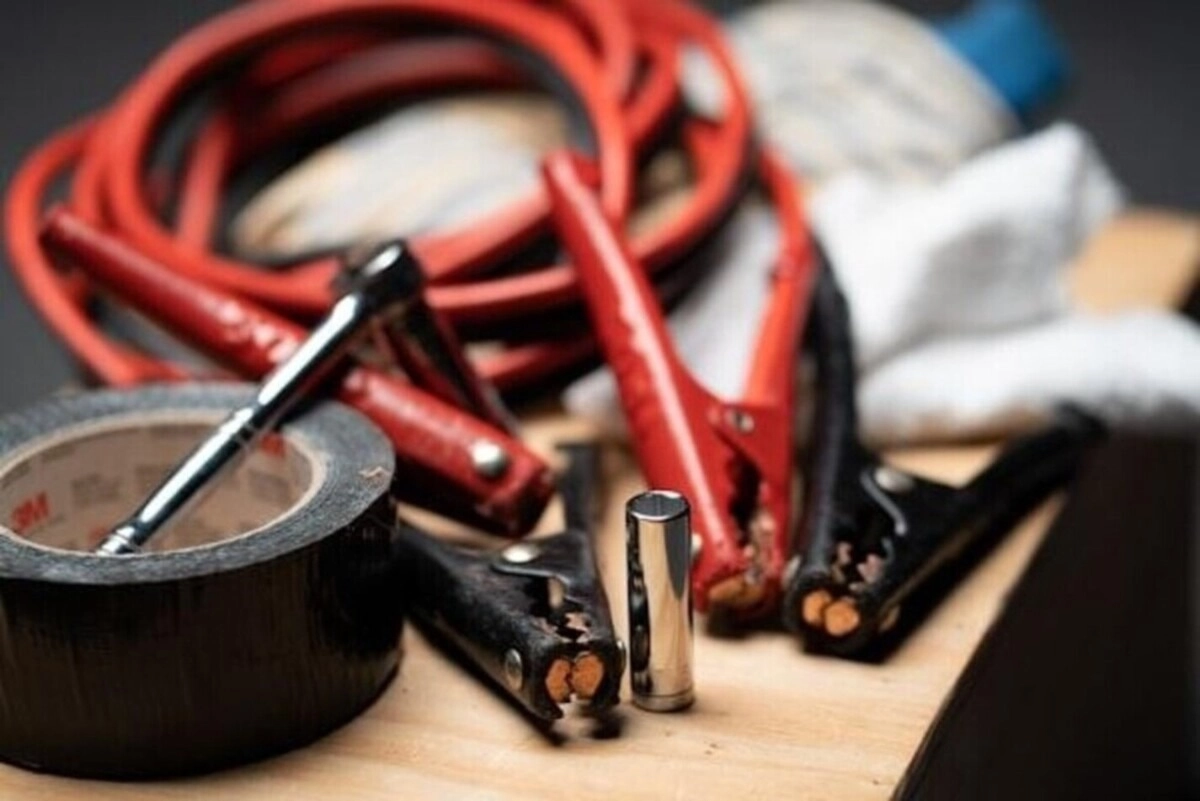
A garage door on the Front Range wears out faster than the same door in a milder climate because of three things working on it every day: a 40-degree temperature swing that stresses springs and seals, mag chloride tracked in off winter roads, and dry air that shrinks wood trim and gaskets. A one-minute monthly look plus a 30-minute check twice a year catches most of that wear before it becomes an emergency repair.
Why Colorado's climate is hard on a garage door
Overnight swings of 40 degrees, common even in the middle of summer, expand and contract the torsion spring, the steel track, and the door panel itself every single day, which loosens fasteners and stresses metal fatigue points faster than a stable climate would. Front Range cities apply magnesium chloride to roads before winter storms, and vehicles track it into the garage on tires, where it corrodes rollers, hinges, and the bottom of steel tracks over a season if it is never rinsed off. Front Range humidity sits in the teens to twenties most of the year, and that dry air shrinks wood trim, jamb seals, and the bottom weather seal, opening gaps that let cold air, dust, and small pests into the garage. Hail season runs spring through September, and a severe storm dents thin steel panels on an uncovered door the same way it dents a car hood.
What to know before touching anything
Torsion springs, extension springs, lift cables, and the bottom corner brackets stay under extreme tension even when the door is closed, and they can cause a serious injury if handled without the right tools and training. Never touch these parts. If a spring shows a visible gap in the coils, a cable looks frayed or has come off the drum, or a roller has popped out of the track, stop and call a trained technician instead of continuing. Openers made after 1993 must include photoelectric sensors mounted no more than 6 inches above the floor, the wall control needs to sit at least 5 feet up and in clear view of the door, and the red manual-release handle should hang within 6 feet of the floor.
Ten maintenance steps for a Front Range garage door
- Monthly look and listen: operate the door while watching the tracks, rollers, hinges, and cables, and listen for scraping or jerky movement. Stop and call a professional if you spot a frayed cable or a broken spring.
- Balance test: pull the manual-release cord, lift the door to waist height, and let go carefully. A balanced door holds position; one that slams or drifts needs professional service.
- Contact-reverse test: place a two-by-four flat under the center of the door opening and close the door. It must reverse the instant it touches the board, or the travel and force settings need adjustment.
- Photo-eye sensor check: confirm the sensors sit no more than 6 inches above the floor, wipe the lenses clean of dust and winter grit, and test that a broom handle waved through the beam reverses the door instantly.
- Tighten hardware: check hinges, roller brackets, and track fasteners twice a year, tightening snugly without over-torquing into the wood framing. Never touch the bottom corner brackets or spring hardware.
- Lubricate correctly: clean grit off first, then apply a thin film of white lithium or silicone lubricant to hinge knuckles, roller bearings, and torsion spring coils. Never lubricate the tracks or the drive belt.
- Clean and true the tracks: wipe mag chloride residue off the inside faces with a rag and mild degreaser, then sight down each track for straightness. A bent or off-track rail needs a professional.
- Refresh weather seals annually: check for daylight at the perimeter with the door closed, and replace a bottom seal that has gone brittle or flat. Front Range dry air and UV wear seals out faster than a wetter, shadier climate.
- Opener systems check: confirm battery backup works, verify belt or chain tension against the manual, and replace remote batteries once a year.
- Winterize before the first hard freeze: run a full lubrication cycle in the fall, refresh a tired bottom seal, and clean the photo-eyes. After a storm, rinse mag chloride residue off the lower rollers, hinges, and brackets without soaking the electronics, and never chip ice from under the seal with a metal tool.
Ask for the printable version of this checklist in the form below and the Kenna Real Estate Group at Keller Williams DTC emails it the same day.
HOA rules, permits, and energy rebates
A large share of Front Range HOAs and metro districts control garage door color, material, and window style as part of the exterior architectural review, so check the covenants before ordering a replacement door in a new finish. A straight swap of an existing garage door rarely needs a city permit, but a change to the framed opening size does in most Front Range jurisdictions. Xcel Energy offers rebates on qualifying insulated garage doors and other envelope upgrades as part of its home efficiency programs, and an insulated door also helps meet the energy code requirements that apply to an attached garage sharing a wall with conditioned living space.
What this means for a home sale
A garage door with a broken spring, an off-track panel, or a failed contact-reverse test is a common finding during a buyer's inspection, and it becomes part of the negotiation during the inspection objection period rather than something a seller can leave for the new owner to discover. The door and its opener belong on the Colorado Seller Property Disclosure the same as any other mechanical system in the house. A well-maintained, correctly sealed garage door supports the condition assumptions behind a Smart Pricing Report, and a dented, off-track, or poorly sealed door is one of the faster fixes a seller can make before a Front Range listing goes live. For a repair beyond routine maintenance, a technician such as professional garage door repair can handle spring replacement, track realignment, and opener upgrades, and you are free to get quotes from more than one licensed technician in the Denver metro.
Where to go next
- Preparing and adding value before selling in Colorado
- Get a Smart Pricing Report for your Colorado home
- 8 curb appeal fixes for Front Range sellers
- How to repair garage door rust in Colorado
- Explore homes for sale in Denver
- Meet the Kenna Real Estate Group agents
How much a Colorado garage door repair runs
| Repair | Typical Denver Metro Cost |
|---|---|
| Spring replacement | $150 to $400 |
| Roller and hinge tune-up | $100 to $250 |
| Track realignment | $125 to $350 |
| Bottom weather seal replacement | $75 to $200 |
| Full insulated door replacement | $1,200 to $3,800 |
A homeowner who keeps up with the monthly and twice-a-year checks in this guide mostly stays in the lower rows of that table, since routine attention catches a worn roller or a failing seal long before it turns into a spring failure or a bent track that needs a full section replaced.
Talk to the Kenna Real Estate Group
The Kenna Real Estate Group walks Front Range sellers through which mechanical fixes, including a garage door repair, are worth making before a listing goes live and which ones can wait for the buyer's inspection negotiation. Call or text 303-955-4220. A live person answers. Not a robot, not a phone tree. Ready to see what is on the market right now? Search every home for sale in Colorado.
Homes for sale that match this post
Guides
Questions about any home in Colorado? Call or text 303-955-4220. A live person answers.