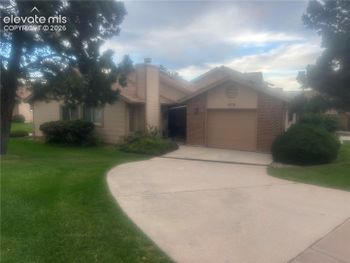
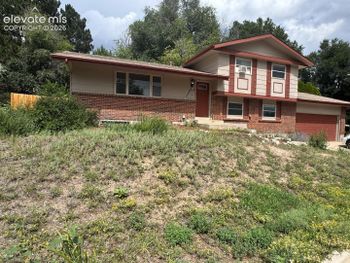
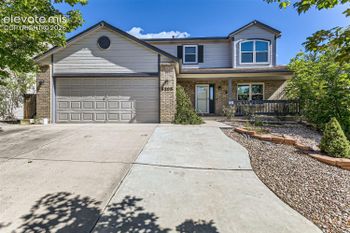
New - 8 Hours Ago
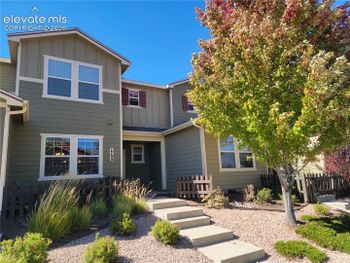
$359,900
Coming Soon
3
Beds
3
Baths
1363
Sqft
0.0469
Acres
1799 Portland Gold Dr, Colorado Springs, CO 80905
MLS#: 8973049
.jpg)


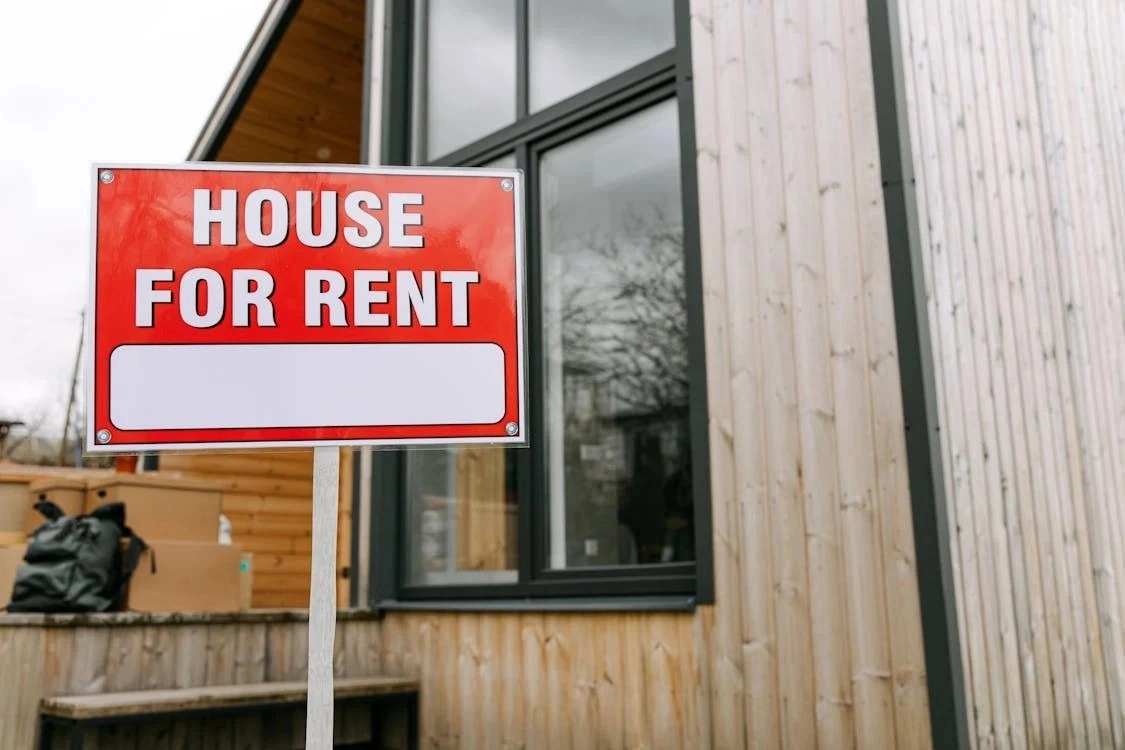
Renting out a Colorado home starts with four things: know the state's deposit and screening rules, price the rent against current comps, put a compliant lease in writing, and decide up front whether you or a property manager will handle it. Colorado has tightened landlord rules in the last two years, so a plan that worked five years ago needs a second look before you hand over keys.
Colorado sets statewide rules that apply no matter which city the rental sits in. Senate Bill 23-184 caps a security deposit at two months' rent. House Bill 25-1249 changed how landlords must handle and return that deposit, not the cap itself, so read the current return-timeline requirements before you draft a lease. On the application side, House Bill 23-1099 restricts how landlords can screen applicants and requires notice before an adverse action based on a screening report. Colorado also passed a for-cause eviction law in 2024 that limits when a landlord can end a tenancy without a qualifying reason once a tenant has been in place past a set point. Confirm the current requirements with a Colorado landlord-tenant attorney or your property manager before you draft anything, since these rules have changed more than once in recent years.
Denver requires most landlords to hold a residential rental license, with an inspection requirement for many properties and a defined renewal cycle. Colorado Springs and Aurora each run their own rental licensing or registration programs, and the rules are not identical from city to city. Look up the current requirement for the property's specific address before you list it; operating without a required license can hold up a lease or trigger a fine.
Pull recent lease comps for the same property size, bedroom count, and location, not just list prices. Kenna's market reports break down pricing by Front Range city, which is a faster starting point than scrolling listing sites. Price too high and the home sits empty burning carrying costs; price too low and you leave money on the table every month of the lease.
A well-maintained home rents faster and supports a stronger rent number. Before the first showing:
A thorough, consistent screening process protects your investment and keeps you inside House Bill 23-1099's limits. Apply the same criteria to every applicant, document the reasons for any denial, and send the required notice if you take an adverse action based on a credit or background report. A property manager who screens Colorado tenants daily is worth the fee for this step alone.
A lease drafted before 2023 is out of date. At minimum, update the deposit clause to reflect the two-month cap and the current return timeline, spell out maintenance responsibilities for both parties, and state the conditions for renewal or termination clearly. A local attorney or property manager can review the lease against this year's requirements; a generic template pulled from the internet will not reflect Colorado's specific rules.
Standard homeowners insurance is not built for a tenant-occupied property. Landlord insurance covers tenant-caused damage, liability for injuries on the property, and lost rental income during a covered repair. In Colorado, ask specifically about hail coverage, since hail season runs spring through September and roof claims are common across the Front Range.
Set up a clear way for tenants to report issues, schedule regular inspections, and keep a short list of contractors you already trust for emergencies like a failed furnace or a burst pipe. Colorado's freeze-thaw cycles and expansive clay soils create maintenance issues, foundation cracks, sticking doors, that are easy to catch early and expensive to ignore.
Property managers in the Denver metro charge in the range of 8 to 12 percent of monthly rent for full-service management, covering marketing, screening, rent collection, and maintenance coordination. If you live out of state, own multiple units, or simply do not want the calls at 9pm, a property manager's fee costs less than the time and legal risk of getting a compliance detail wrong.
List the home with clear photos and a complete description on major rental sites, and be upfront about pet policy, smoking rules, and lease length before the first showing. A well-written listing that answers a renter's questions up front attracts more qualified applicants and cuts down on wasted showings.
Rental income is taxable, and it has to be reported whether you self-manage or use a property manager who issues you a 1099 at year-end. Keep a simple ledger of rent collected and deductible expenses, repairs, insurance, property management fees, mortgage interest, from day one rather than trying to reconstruct it in April. A CPA who works with Colorado landlords can tell you whether depreciation and expense deductions make more sense than they did the year you lived in the home yourself.
On the utility side, ask whether the lease will have the tenant carry electric and gas directly with Xcel Energy or whether you will keep the accounts in your name and bill back. If you are upgrading appliances, insulation, or a furnace before renting the home out, check Xcel Energy's current rebate programs first; some upgrades that make the unit more attractive to renters also qualify for a rebate that offsets part of the cost.
Renting out a Colorado home instead of selling it can work well when you expect to return to the area, want to hold the property for appreciation, or are not ready to give up a low mortgage rate. It is not automatically the better move; carrying costs, out-of-state landlord logistics, and the deposit and eviction rules above all factor into the math. This comparison of renting versus selling in today's market walks through the decision in more detail, and Kenna's landlord starter guide covers the basics from a Colorado-specific angle.
The Kenna Real Estate Group helps Colorado homeowners weigh renting versus selling, connect with property managers, and understand current deposit, screening, and licensing rules before they sign a lease. Call or text 303-955-4220. A live person answers. Not a robot, not a phone tree. If selling makes more sense once you run the numbers, search every home for sale in Colorado to see what your next move looks like.
Questions about any home in Colorado? Call or text 303-955-4220. A live person answers.
Senate Bill 23-184 caps a security deposit at two months' rent statewide. House Bill 25-1249 later changed the rules for how and when that deposit must be returned, not the two-month cap itself.
Yes. Most Denver landlords need a residential rental license, and many properties require an inspection as part of that process. Confirm the current renewal cycle with the city before you list a unit.
House Bill 23-1099 limits what landlords can request and requires written notice before denying an applicant based on a credit or background report. Apply the same screening criteria to every applicant.
A 2024 Colorado law limits when a landlord can end a tenancy without a qualifying reason once a tenant has been in the unit past a set point in their lease. Check the current requirements before serving any notice.
It requires a rental unit to meet basic health and habitability standards, working heat, plumbing, and smoke detectors among them, for the full length of the lease, not just at move-in.
Full-service Denver-metro property managers charge in the range of 8 to 12 percent of monthly rent, covering marketing, screening, rent collection, and maintenance coordination.
Yes. Standard homeowners insurance is not built for a tenant-occupied property. Landlord insurance covers tenant-caused damage, liability, and lost rent during a covered repair, and should specifically address Colorado hail coverage.
It depends on whether you plan to return, your mortgage rate, and how comfortable you are managing an out-of-state or long-distance rental under current deposit and eviction rules. Run the numbers on both paths before deciding.