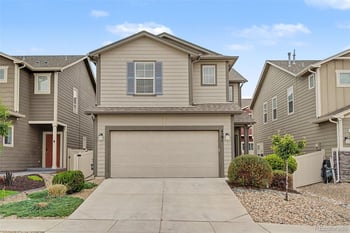
$975,000
Active
4
Beds
4
Baths
2774
Sqft
2.93
Acres
16990 Early Light Dr, Colorado Springs, CO 80908
MLS#: REC7175494
.jpg)



A tenant moving out means cleaning, repairs and a new tenant to prepare for, all on a tight timeline, and Front Range investors managing that turnover lean on a self-storage unit to keep the property clear, the crew moving fast and the belongings involved protected until the next step. The same approach works for a single rental in Littleton or a growing portfolio spread across Denver, Aurora and Colorado Springs.
Leftover furniture, boxes and broken items pile up fast once a tenant leaves, and moving them into a storage unit clears the property in one trip instead of letting clutter sit through the entire turnover. A clear property makes cleaning and repairs faster and makes it easier to spot what actually needs attention, whether that's a wall in need of patching or flooring that needs replacing before the next tenant moves in.
Repair crews move faster in an empty property. Painters reach every wall without moving furniture around it, cleaners can scrub corners and baseboards without obstruction, and a handyperson can work through a punch list without stopping to shift items out of the way. Storing furniture and belongings off-site during a Denver, Aurora or Colorado Springs turnover shortens the vacancy window between tenants, which is the number that matters most to an investor's return.
Dust, paint and accidental bumps during a repaint or repair job damage appliances and furniture that stay in the unit, and even a minor scratch or dent adds cost to replace or repair. Moving anything worth keeping into storage during renovation work protects it from that damage and avoids an unnecessary replacement expense that eats into the turnover budget.
Many Front Range landlords stage a rental to attract a stronger applicant pool, and the chairs, tables, rugs and décor used for staging need somewhere to sit when they are not in the unit. Storing staging pieces in a unit rather than a garage keeps them clean and ready to redeploy for the next turnover without extra cleanup, which matters most for an investor who stages every vacancy the same way.
Cleaning, repairs, inspections, staging and paperwork all happen close together during a turnover, and a storage unit keeps supplies, tools, staging pieces and any leftover belongings in one place instead of scattered across the property or a truck. That single point of organization prevents lost or mixed-up items and keeps the whole process moving without the confusion of hunting for a tool or a box mid-repair.
Some tenants leave behind working items such as lamps, shelving or small appliances, and Colorado law requires a landlord to follow specific notice steps before disposing of property a tenant left behind rather than discarding it immediately. A storage unit gives a landlord a secure, temporary place to hold those items while following the required notice process, which protects the landlord from a dispute over discarded property while keeping the unit ready for the next tenant.
Turnovers rarely go exactly on schedule. A contractor runs late, a repair takes longer than planned, or a new tenant's move-in date shifts, and a storage unit removes the pressure to find somewhere for removed items on short notice. Everything stays protected and accessible until the property is actually ready, which turns a scheduling delay into a minor inconvenience instead of a scramble.
Self-storage costs less than replacing damaged items or leaving a property sitting empty longer than necessary while belongings are worked around. Units are easy to rent, resize and access on short notice, which makes them a practical, budget-friendly part of managing a turnover rather than a major added expense. Front Range self-storage rates for a standard 10x10 unit run roughly $100 to $220 a month depending on the metro area and climate control.
Investors managing several Front Range properties keep ladders, tools and seasonal décor on hand across a portfolio, and a dedicated storage unit keeps that equipment out of any single property without cluttering a garage or a unit that is supposed to be market-ready. Storing seasonal or overflow items separately keeps everything accessible and protects the investment in that equipment over the long run.
Managing multiple rental properties across Denver, Aurora, Lakewood or Colorado Springs means tracking supplies, repair schedules and move-in dates for each one at the same time. A central storage unit for materials, tools and staging items means not having to juggle those items between properties, which simplifies the logistics of running several turnovers close together.
Keeping a property clean, organized and well maintained during a turnover protects its long-term value, and self-storage supports that by keeping furniture, appliances and tools in good condition while turnover tasks are underway. That protection helps avoid the kind of preventable wear and tear that turns into a costly repair a few turnovers down the road.
Colorado's process for handling property a tenant left behind requires a landlord to provide written notice describing the property and giving the former tenant a defined window to reclaim it before the landlord can dispose of it. A storage unit gives a landlord a place to keep that property intact and identifiable during the notice period, which matters if a dispute comes up later about what was left and its condition.
Distance matters more than price when picking a unit for an active turnover, since a crew making several trips a day to move items in and out loses real time driving across town. A facility within a few miles of the rental keeps that back-and-forth short, and climate-controlled units are worth the added monthly cost for wood furniture, electronics or anything sensitive to Colorado's dry winter air and summer heat swings.
| Unit size | Typical use during a turnover | Monthly cost range |
|---|---|---|
| 5x10 | Staging décor, tools, small appliances | $60 to $110 |
| 10x10 | Furniture from a one- or two-bedroom unit | $100 to $220 |
| 10x20 | Full household contents or multiple properties' overflow | $150 to $320 |
The Kenna Real Estate Group works with Front Range landlords and investors on turnover timing, rental pricing and where a self-storage unit fits into a fast, well-run turnover, whether that's through a provider like a self-storage unit near the property or another local option. Call or text 303-955-4220. A live person answers. Not a robot, not a phone tree. Looking to add another rental to your Colorado portfolio? Search every home for sale in Colorado.
Questions about any home in Colorado? Call or text 303-955-4220. A live person answers.
A storage unit clears the property fast, speeds up repairs and cleaning, and protects furniture, appliances and staging pieces from damage while work is underway.
A standard 10x10 unit runs roughly $100 to $220 a month depending on the metro area and whether the unit is climate controlled.
Colorado law requires specific notice steps before a landlord can dispose of property a tenant left behind. A storage unit gives a secure place to hold those items while following that process.
Yes. Repair crews move faster in an empty unit, since painters, cleaners and handypersons do not have to work around furniture and belongings.
In most cases, yes. The monthly cost of a unit is small compared to replacing furniture or appliances damaged during a repaint or repair job.
A single storage unit can centralize tools, staging furniture and seasonal equipment for several properties, which simplifies running multiple turnovers at once.
A 10x10 unit holds the furniture from a one- or two-bedroom rental in most cases. A 5x10 unit works for staging décor and tools alone.
Yes. Items removed for repairs stay protected and accessible in storage until the property is ready, which turns a scheduling delay into a minor inconvenience instead of a scramble.