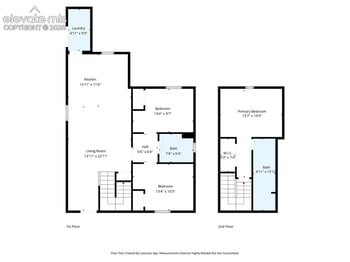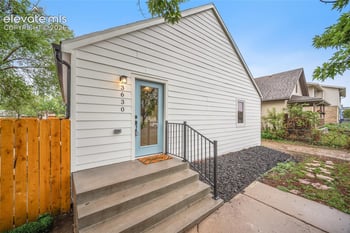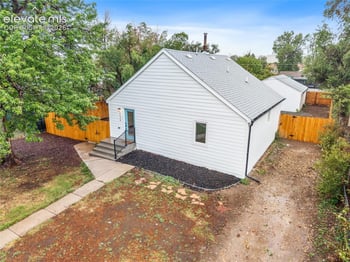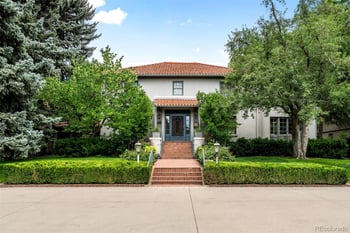
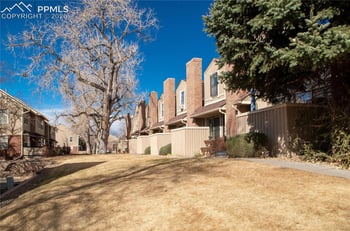
$345,000
Pending
3
Beds
2
Baths
1538
Sqft
0.0202
Acres
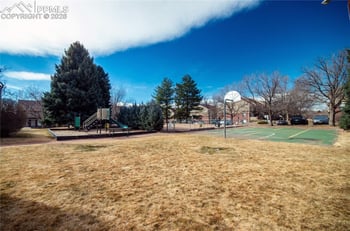
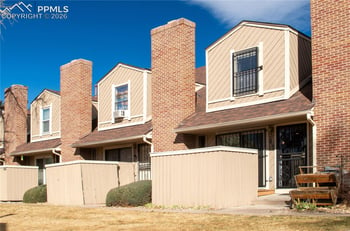
3300 W Florida Ave #48, Denver, CO 80219
MLS#: 9397860
.jpg)


Finding the right condo in the Denver metro comes down to four things: setting a real budget that includes HOA dues, narrowing your neighborhood, touring enough units to compare trade-offs, and working with an agent who reads HOA documents for a living. Skip any one of those steps and you end up either overpaying or stuck in a building with rules or assessments you did not see coming.
Condos and townhomes are a growing share of the Front Range market, from downtown Denver and LoDo lofts to Highlands Ranch sub-associations and Colorado Springs communities. Here is how to actually narrow the search.
A condo payment is your mortgage plus the monthly HOA fee, and in the Denver metro that fee runs $200 to $600 a month depending on the building's amenities, insurance coverage and reserve fund. A high-rise with a pool, gym and concierge sits at the top of that range. A smaller townhome-style association with exterior maintenance only sits at the bottom. Ask for the HOA's most recent budget and reserve study before you fall for a unit, not after you are under contract.
Lenders also qualify the building itself, not just you. A condo needs to meet Fannie Mae or FHA project approval standards, covering owner-occupancy ratios, reserve funding and pending litigation. Your lender or agent can pull this before you write an offer so you are not surprised at underwriting.
Downtown Denver and LoDo put you a short walk from Union Station, Coors Field and the 16th Street corridor, with the highest price per square foot in the metro. Highlands Ranch and Littleton condo and townhome communities trade some walkability for lower HOA fees and more parking. Colorado Springs and Fort Collins condo inventory runs lower in price than Denver proper, with different HOA structures by building.
Drive or walk each neighborhood at a time you would actually be there, commute time to work, weekend errands, evening, so you are judging the real experience and not just a listing photo.
Touring three to five condos in your price range, across at least two buildings, tells you more than reading twenty listings online. Walk the hallways and parking garage, not just the unit. Check for road noise near I-25 or Colfax, west-facing units that take the full afternoon sun at altitude, and storage space, which many Denver condos are short on. Ask to see the building's exterior maintenance records if a special assessment is a concern.
A condo purchase in Colorado comes with a stack of HOA paperwork: bylaws, covenants, the reserve study, meeting minutes and a resale certificate. An agent who works Denver metro condos regularly knows which red flags in that stack matter (a reserve fund under 10% of the building's replacement cost, for example) and which are routine. That review is part of the service, not an add-on fee.
Ask the agent how many condo closings they have handled in the building's neighborhood in the last year. An agent who mostly sells single-family homes in Highlands Ranch does not automatically know the difference between a routine Denver LoDo loft assessment and one that signals a bigger structural problem. Experience with the specific building type matters as much as experience with the city.
Condo mortgages carry stricter underwriting than single-family loans because the lender is also evaluating the building. Warrantable condos qualify for conventional financing; non-warrantable buildings need a portfolio lender and a larger down payment in most cases. Get pre-approved before you tour so your agent knows which buildings your loan program will actually finance. For financing questions on a specific building, Mike Oswald at Rate (NMLS 261003, Equal Housing Lender) reviews condo approvals for Front Range buyers; you are free to use any lender. Start at Colorado home financing or Kenna Credit Care mortgage readiness.
| Type | Typical HOA Fee (Denver Metro) | Who Maintains the Exterior |
|---|---|---|
| High-rise condo | $350 - $600/mo | HOA, full building |
| Low-rise/townhome-style condo | $200 - $400/mo | HOA, shared walls and roof |
| Single-family with sub-association | $50 - $200/mo | Owner, HOA covers common areas only |
A special assessment is a one-time charge an HOA bills owners when the reserve fund cannot cover a repair, a roof replacement or a parking structure repair are common triggers in older Denver metro buildings. Ask the HOA directly whether any assessment is planned or under discussion, and read the last two years of board meeting minutes. See what to check on HOA special assessments before closing for the full list of questions to ask.
Secured entry and an assigned or heated garage parking spot pay for themselves through winter, a scraped windshield every morning gets old fast at altitude. A fitness center saves a separate gym membership if you will actually use it; price that against $30 to $60 a month for an outside gym before you pay for it twice. Rooftop decks and shared outdoor space matter more in Denver's 300 days of sun than an indoor pool most owners use a handful of weekends a year. Rank the amenities you will use weekly above the ones that only look good on a tour.
Budget two to six weeks of touring before you find the right unit in a competitive price band, longer if you are choosy about a specific building or floor plan. Once you are under contract, plan on 30 to 45 days to close, with an extra week or two possible if the lender's condo project review turns up questions about the HOA's reserve fund or a pending lawsuit. Order the resale certificate and HOA documents the day you go under contract so your inspection objection deadline and financing timeline do not collide.
The Kenna Real Estate Group tours Denver metro condo buildings every week and reads the HOA paperwork before a buyer falls in love with a unit that will not clear underwriting. Call or text 303-955-4220. A live person answers. Not a robot, not a phone tree. Ready to compare condos in your price range? Search every home for sale in Colorado.
Questions about any home in Colorado? Call or text 303-955-4220. A live person answers.
Between $200 and $600 a month depending on the building's amenities, age and reserve fund. High-rises with a pool or concierge sit at the top of that range.
No. The building needs Fannie Mae or FHA project approval to be warrantable. Non-warrantable buildings need a portfolio lender and a larger down payment in most cases.
Ask the HOA directly and read the last two years of board meeting minutes. A reserve fund under about 10% of the building's replacement cost is a warning sign.
A condo has a lower purchase price on average and no exterior maintenance, trading that for a monthly HOA fee. Compare the total monthly payment, mortgage plus HOA, against a single-family home before deciding.
Three to five units across at least two buildings gives you enough comparison on layout, noise, storage and HOA fees to make a confident offer.
West-facing units take strong afternoon sun at altitude, which can raise cooling costs and fade flooring faster. Ask about window orientation and any building-installed sun shading during your tour.
30 to 45 days on average, similar to a single-family home, though buildings with pending litigation or a thin reserve fund can add time while the lender reviews the HOA documents.