New - 15 Mins Ago
$385,000
Active
3
Beds
4
Baths
2326
Sqft
0.0711
Acres
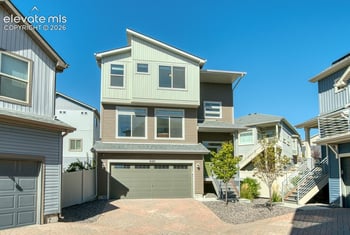
9180 Baltin Ct, Colorado Springs, CO 80927
MLS#: 7216043
.jpg)



Buying a Colorado condo in 2026 comes down to four checks the listing photos never show: the association's money, the lender's questionnaire, the building's insurance, and the rules on renting. A condo with a clean unit and a broke association is a bad purchase; a condo with dated carpet and a fully funded reserve is a good one. This guide walks through each check in the order the Kenna Real Estate Group runs them on Denver metro, Boulder and Colorado Springs condos, plus where prices sit by area.
Start with the search on the Colorado condos for sale page, then bring the addresses here.
In Colorado a condominium is airspace inside a building plus an undivided share of the common elements; the association owns and insures the structure. A townhome is a fee-simple lot with the building on it; the owner insures the structure. Many Denver metro townhome-style buildings are legally condos, and some detached homes in Highlands Ranch and Parker sit in condo regimes. The declaration decides, and the insurance and loan rules below follow it. The post on attached vs detached homes for first-time buyers covers the ownership forms side by side.
The Colorado Contract to Buy and Sell gives the buyer an Association Documents Deadline and a termination right tied to those documents. Use it on every condo. Read:
The full method for reading an HOA's management and money is in reading a Colorado HOA before you offer, and the paperwork for catching an assessment is in catching the HOA's surprise bill before closing.
After the 2021 Surfside collapse in Florida, Fannie Mae and Freddie Mac added questions to the condo project questionnaire about significant deferred maintenance, structural and mechanical inspections, special assessments for repairs and any building violations. Those rules became permanent, and a building that fails them is ineligible for conventional loans until the work is done and documented. The management company answers the questionnaire; the lender decides. The questionnaire also asks the older questions: owner-occupancy ratio, single-entity ownership above 20% of units, commercial space above 35% of the building, delinquencies above 15%, pending litigation and the master policy's coverage.
Order the questionnaire the day you go under contract, not the week before closing. On older buildings in Capitol Hill, Cheesman Park, Glendale and along Colorado Boulevard, the questionnaire is where the deal is won or lost. Mike Oswald, VP of Mortgage Lending at Rate, NMLS 261003, Equal Housing Lender, runs the project review for Kenna buyers in the first week. You are free to use any lender. The Colorado home financing guide covers the loan programs.
An FHA loan on a condo requires the project to be on the FHA approved condominium list, or a single-unit approval for one unit in a project that is not on the list. Single-unit approval has been available since October 2019 and covers a large share of Denver metro buildings that never applied for project approval. VA keeps its own approved condo list, and a building not on it needs VA project approval before a VA loan closes, which adds weeks. Both lists are searchable by project name and city. The government-backed home buying guide explains the loan side; the lender confirms the list status at pre-approval.
Colorado hail seasons from May to September have changed condo insurance. Read the master policy declarations page for three things:
The owner's HO-6 policy covers the interior, personal property, liability and loss assessment. Loss assessment coverage pays the owner's share of a deductible or an uninsured loss billed by the association; the default limit on many policies is low, and raising it is inexpensive. Set the loss assessment limit at or above your share of the master policy's hail deductible. The post on how insurance changes a Denver metro house payment shows the math.
Colorado associations limit rentals through the declaration: a cap on the share of units rented, a minimum lease term, or a ban on short-term rentals. Amending the declaration takes an owner vote, so the rule you read today is the rule you own. Ask for the current rental count against the cap; a building at its cap means an investor cannot rent the unit at all and an owner who moves has to sell.
The City and County of Denver requires a short-term rental license and allows it only in the licensee's primary residence. A Denver condo bought as a full-time short-term rental is not licensable. Aurora, Lakewood, Boulder, Colorado Springs and the mountain towns each license short-term rentals under their own rules. Read the Denver short-term rental eligibility guide before you write an offer on a unit you plan to rent, and the Colorado rental property checklist for long-term rentals.
Price bands below describe where listings sit in the current market. Pull live numbers on the Colorado condos by area page before you set a budget.
| Area | What you find | Where listings sit |
|---|---|---|
| Aurora, Lakewood, southeast Denver, Glendale | 1970s and 1980s garden-style, two-story walk-ups | The lowest entry prices in the metro; dues $250 to $450 a month |
| Littleton, Highlands Ranch, Parker, Centennial | 1990s to 2010s townhome-style condos, attached garages | Mid-market; sub-association plus master dues |
| Capitol Hill, Uptown, Highlands, Berkeley, Sloan's Lake | Converted 1920s to 1960s buildings and new mid-rise | Mid to upper; older buildings carry the biggest reserve questions |
| LoDo, Riverfront Park, Cherry Creek, Union Station | High-rise with concierge, elevators, structured parking | The top of the market; dues $600 to $1,200 or more a month |
| Boulder | Small buildings near Pearl Street and the CU campus | Upper; low inventory year-round |
| Colorado Springs | Garden-style near downtown and the north side | The lowest prices on the Front Range |
The Denver condos, townhomes and lofts guide and the downtown Denver and LoDo condos and lofts guide break the Denver bands down building by building, and the Highlands Ranch condo and sub-association guide explains the double-dues structure south of C-470.
Under the Colorado Common Interest Ownership Act, an association cannot prohibit an owner from installing an electric vehicle charging station in the owner's deeded or assigned parking space, subject to reasonable rules on the installation. Owners have the right to inspect association records, attend board meetings and vote on budget rejection. Every association must register each year with the HOA Information and Resource Center at the Colorado Division of Real Estate, where owner complaints are on file.
The unit with the strongest association wins. A building with a reserve study, a walls-in master policy, a rental cap with room under it, a clean questionnaire and no litigation resells in any market. The how to identify a luxury condo worth buying post applies the same test at the top of the market, and condo vs townhome living in Denver compares how the two forms hold value.
The Kenna Real Estate Group at Keller Williams DTC reads the reserve study, orders the questionnaire in week one, checks the FHA and VA lists and reads the master policy before you commit to a Colorado condo. Call or text 303-955-4220. A live person answers. Not a robot, not a phone tree. Or search every home for sale in Colorado and filter to condos to start.
Questions about any home in Colorado? Call or text 303-955-4220. A live person answers.
The reserve study and the last three budgets. A high-rise or older garden-style building with reserves under 30% funded is headed for a special assessment; the Colorado contract's association documents deadline gives you the right to read them and walk.
Fannie Mae and Freddie Mac added deferred-maintenance, inspection and special-assessment questions to the condo questionnaire after the Surfside collapse and made them permanent. A building that fails them is ineligible for conventional loans until the repairs are documented.
Sometimes. FHA single-unit approval, available since October 2019, covers one unit in a project that is not on the approved list if the project meets FHA's project criteria. The lender confirms it at pre-approval.
A master policy deductible set as a share of the building's insured value instead of a flat amount. On a large Front Range building one hail claim produces a six-figure deductible the association bills to owners.
At least your share of the master policy's hail deductible. The default limit on many HO-6 policies is low, and raising it costs little.
Not as a full-time rental. Denver licenses short-term rentals only in the licensee's primary residence, and many condo declarations ban them outright. Check the city rules and the declaration before you offer.
Yes, if the declaration caps rentals, sets a minimum lease term or bans short-term rentals. Ask for the current rental count against the cap before you write.
Yes. The Colorado Common Interest Ownership Act stops an association from prohibiting a charging station in an owner's deeded or assigned space, subject to reasonable installation rules.