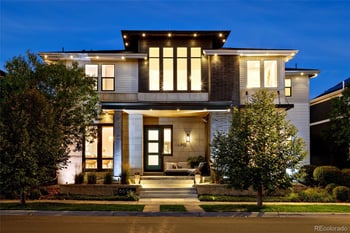
New - 4 Hours Ago

$3,590,000
Coming Soon
5
Beds
6
Baths
6123
Sqft
0.14
Acres
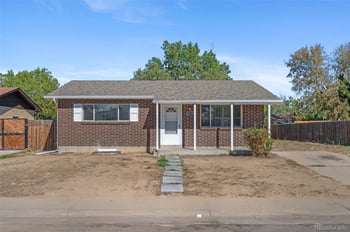
1296 S York St, Denver, CO 80210
MLS#: REC3955502
.jpg)


Colorado mountain buyers respond first to radiant floor heat, Low-E windows and real indoor air filtration, because those three systems solve the specific problems mountain living creates: cold floors, big glass that leaks heat, and wildfire smoke that can turn outdoor air unusable for days. The National Association of Realtors reports that 37% of agents name windows, doors and siding as the top green features buyers seek, and mountain buyers weight that even higher than Front Range flatland buyers do.
A mountain morning starts cold, and forced-air heat struggles to keep floors comfortable when outside temperatures sit well below freezing overnight. Radiant floor heat delivers even warmth from the ground up, eliminates cold spots near exterior walls and large windows, and reduces reliance on a forced-air system working overtime. A hydronic radiant system for a 2,000 square foot mountain home commonly runs $12,000 to $25,000 installed, more if retrofitted into an existing slab versus built into new construction. Electric radiant mats for a single bathroom or mudroom run far less, commonly $1,500 to $4,000. Mountain counties including Summit, Clear Creek and Eagle require a permit for new hydronic or electric radiant systems tied into plumbing or electrical, so budget for inspection time before a winter install.
Windows, doors and siding top the list of green features buyers want, and at altitude the stakes are higher. Colorado's intense mountain sun, hail season, which runs from spring through September, and swings of 30 to 40 degrees in a single day all stress glass and seals faster than in a milder climate. Low-E glazing cuts summer heat gain, reduces winter heat loss, and holds up to UV exposure that runs roughly 25% to 30% higher than sea level. A full window replacement for a mountain home commonly runs $10,000 to $30,000 depending on square footage and glazing package. Xcel Energy offers rebates for qualifying energy-efficient window and insulation upgrades in its service territory; check current program terms before you buy, since rebate amounts and eligible products change.
An energy recovery ventilator brings fresh air into a tightly sealed mountain home without losing the heat already paid for, which matters through long Colorado winters when windows stay shut for months. Pairing an ERV with a HEPA filtering system gives a second layer of protection, filtering fine particulates that matter most during Colorado's wildfire season, when outdoor air quality can shift from clear to hazardous within hours. A whole-home ERV and HEPA setup commonly runs $3,000 to $8,000 installed depending on home size and ductwork access.
Wellness features continue to draw buyer interest, and a compact infrared sauna alcove gives a mountain home a place to recover after a ski day or a hike without requiring a full addition. A small sauna corner fits into a mudroom, primary bath, or a finished basement in many mountain floor plans. Buyers evaluating this kind of system should weigh energy use, heater sizing and installation requirements; resources such as High Tech Health cover low-EMF heater technology and sizing guidance for a small-space install. A compact two-person unit commonly costs $3,000 to $7,000 including installation.
Mountain daylight varies more through the year than Front Range flatland daylight, with shorter winter days and intense summer glare off snow and rock. Adaptive lighting that adjusts brightness and color temperature through the day helps a home feel comfortable through both extremes, and buyers respond to phone or schedule-based control as a modern, low-effort convenience. A smart lighting retrofit for a mid-size mountain home runs $2,000 to $6,000 depending on the number of fixtures and switches converted.
Windows and building envelope work should commonly happen before radiant heat or an ERV install, since a leaky window or door undermines the efficiency gain from both systems. A contractor sizing a radiant system around an old single-pane window package will oversize the heat source to compensate, then leave you paying for both an oversized system and the energy loss the windows still cause. Sequence envelope upgrades first, mechanical systems second, and cosmetic features like the sauna nook or smart lighting last.
| Upgrade | Typical Colorado Cost | Buyer Draw |
|---|---|---|
| Radiant floor heat | $12,000 – $25,000 | High; eliminates cold-floor complaints |
| Low-E window replacement | $10,000 – $30,000 | High; top green feature buyers name |
| ERV + HEPA system | $3,000 – $8,000 | Moderate to high, especially post-wildfire season |
| Infrared sauna nook | $3,000 – $7,000 | Moderate; wellness-focused buyers |
| Smart lighting | $2,000 – $6,000 | Moderate; low-cost, high-visibility upgrade |
Interior systems like radiant heat, ERVs and smart lighting commonly fall outside HOA architectural review, which focuses on exterior materials and visible changes. A metro district or HOA becomes relevant if the project requires a permit the association tracks or changes square footage. Confirm with your specific mountain community's covenants before a larger remodel, since some associations in resort-area developments require notice even for permitted interior work.
Heating equipment sized for a Denver-elevation home commonly underperforms once installed at 8,000 or 9,000 feet, since lower air density affects combustion efficiency for gas-fired systems and heat loss runs higher through the same wall assembly in colder average temperatures. A mountain-specific load calculation, not a generic square-footage estimate, should drive both radiant heat and any backup forced-air sizing. Ask your HVAC contractor whether they have performed a Manual J load calculation adjusted for your specific elevation and county before finalizing equipment size.
Colorado's seller property disclosure asks about the age and condition of heating systems and known window or seal issues. Document the install date and any warranty paperwork for radiant heat, window replacements or ERV systems before listing, since buyers touring mountain properties commonly ask directly about heating costs and system age given how much winter heating factors into ownership cost at altitude. A clear paper trail on these systems answers that question before it becomes a negotiating point during inspection.
Not every upgrade needs to happen before a sale. Windows and radiant heat carry the most weight with mountain buyers and are worth completing if the budget allows, while a sauna nook or smart lighting works as a lifestyle feature in the listing without a full installation. Review your specific property against the Preparing and Adding Value Before Selling guide, and get a realistic number on what these upgrades change with a Smart Pricing Report before committing budget to any single system.
The Kenna Real Estate Group helps Colorado mountain and Front Range sellers decide which comfort and efficiency upgrades actually change buyer behavior before a listing goes live. Call or text 303-955-4220. A live person answers. Not a robot, not a phone tree. Looking for a mountain property instead? Search every home for sale in Colorado.
Questions about any home in Colorado? Call or text 303-955-4220. A live person answers.
Xcel Energy offers rebates for qualifying energy-efficient upgrades including windows and insulation in its service territory. Program terms and eligible products change, so confirm current details before purchasing.
A hydronic radiant system for a 2,000 square foot mountain home commonly runs $12,000 to $25,000 installed, with electric radiant mats for a single room costing far less.
Yes. Summit, Clear Creek, Eagle and most mountain counties require a permit for new hydronic or electric radiant systems tied into plumbing or electrical work.
Colorado's wildfire season can push outdoor air quality from clear to hazardous within hours. A HEPA system filters fine smoke particulates that a standard furnace filter does not catch.
Yes for most mountain homes. UV exposure runs roughly 25% to 30% higher at altitude, and Low-E glazing cuts both summer heat gain and winter heat loss more than standard glass.
It functions more as a lifestyle draw than a assured value add on appraisal. It can help a listing stand out to wellness-focused buyers touring mountain properties.
Adaptive lighting adjusts brightness and color temperature through the day, which helps a home feel comfortable through short winter days and intense summer glare off snow.
Windows commonly carry more weight with buyers since they top the list of green features agents report buyers seeking. Radiant heat matters most in homes with persistent cold-floor complaints.