New - 6 Hours Ago
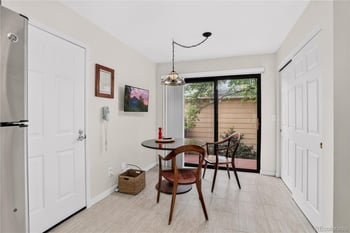
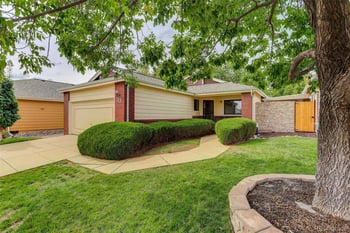
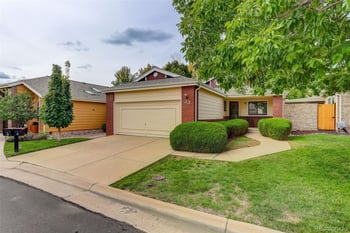
$564,300
Active
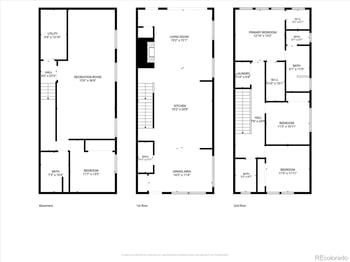
2
Beds
2
Baths
2094
Sqft
0.11
Acres
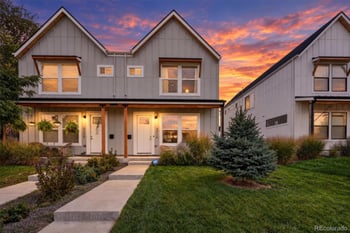
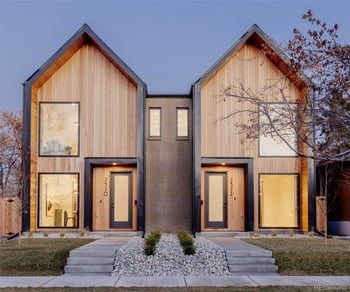
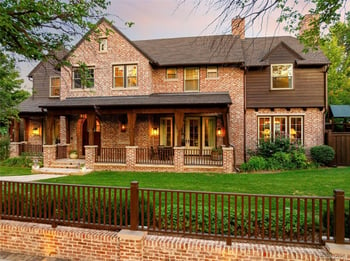
8080 E Dartmouth Ave #33, Denver, CO 80231
MLS#: REC4456908
.jpg)


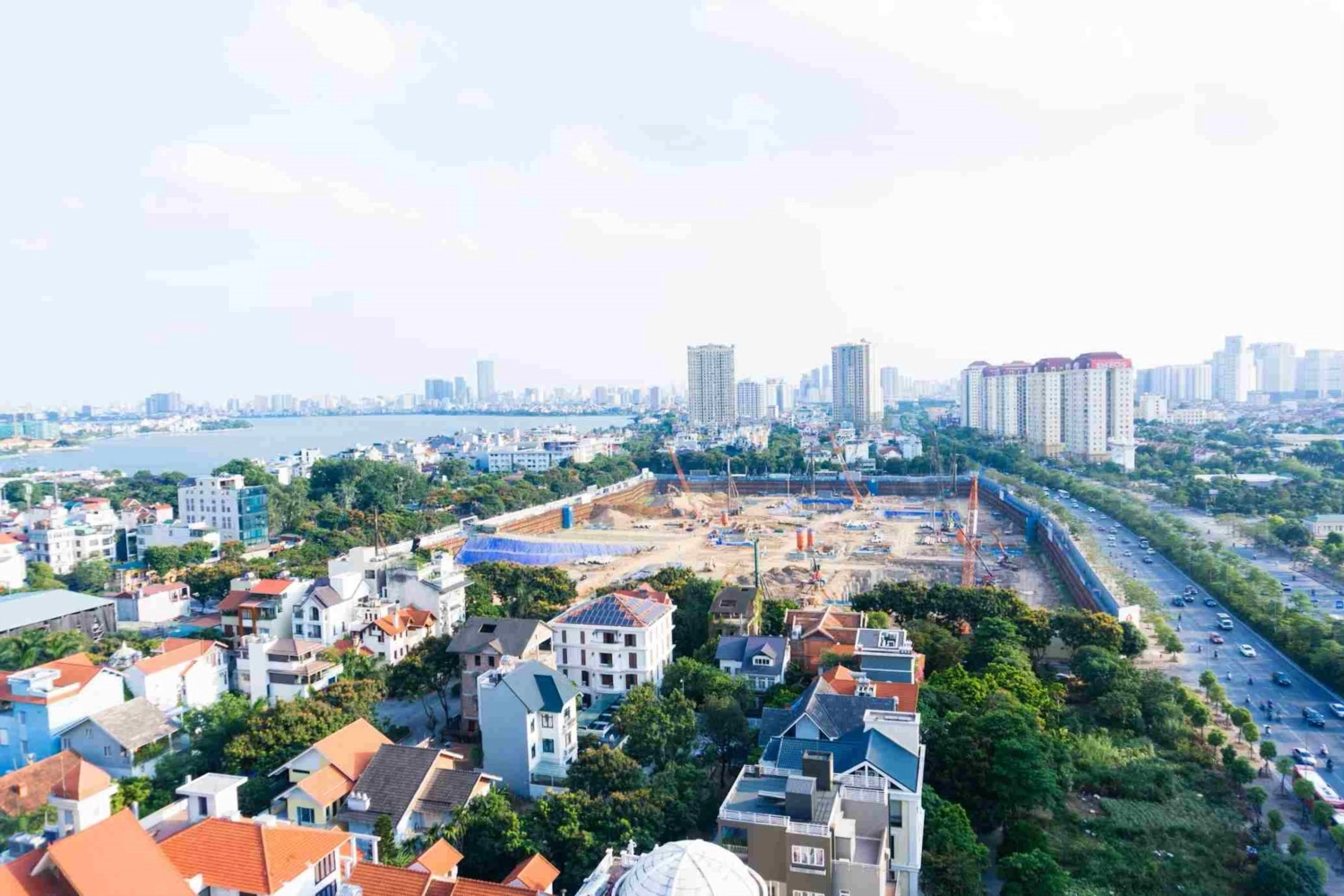
Five neighborhood features draw buyers in the Denver metro and show up in the sale price: commute time to downtown, the Tech Center or the airport; access to parks and trails; walkability to coffee, groceries and restaurants; dog-friendly amenities; and the monthly cost of the HOA and metro district. A seller who names these in the listing with real numbers (minutes, miles, dollars) sells faster and defends the price against a low offer. A buyer who checks them before writing avoids paying for a location that does not fit the way they live.
Every listing on the Front Range sits inside a neighborhood the buyer researches before they ever see the kitchen. Here is what they look for, what it is worth, and how to say it.
Buyers in the Denver metro shop by drive time. The job centers are downtown Denver, the Denver Tech Center along I-25 from Belleview to Lincoln, the Anschutz Medical Campus in Aurora, the Interlocken and Boulder corridor along US-36, and Denver International Airport. A home that reaches the buyer's job center in under 30 minutes at 8 a.m. draws more showings than the same home 15 minutes farther out, and it prices $20,000 to $50,000 higher against similar homes on the same floor plan.
Rail matters. Homes within a half mile of an RTD station on the E, H, R, W, G or A lines get a second buyer pool: the person who does not want to drive I-25 or I-70. Lone Tree, Littleton, Arvada, Lakewood, Golden and Central Park in Denver all have stations with parking. Tolls matter too: E-470 and the Northwest Parkway are toll roads, and a daily round trip runs $8 to $15, which buyers in Parker, Brighton and Broomfield calculate before they offer.
How to state it in a listing: "22 minutes to Union Station at 8 a.m.; 9 minutes to the Lincoln Station park-and-ride; 31 minutes to DIA." Pull the times from a weekday morning, not a Sunday. See Denver's worst traffic corridors and best commute neighborhoods and the South Denver commute guide for the corridors buyers ask about.
Colorado buyers move here for the outdoors and they want it at the end of the block. The Front Range trail network is a selling feature with a name: the High Line Canal Trail (71 miles from Waterton Canyon through Littleton, Cherry Hills Village, Denver and Aurora), the Cherry Creek Trail from downtown to Cherry Creek Reservoir, the South Platte River Trail, Bear Creek through Lakewood and Morrison, the Highlands Ranch backcountry trails, the Coal Creek Trail through Louisville and Lafayette, and the Poudre River Trail in Fort Collins. Peer-reviewed research shows that nature and greenery benefit everyone, and Denver buyers price that in.
The value is measurable. Homes backing to open space or within a quarter mile of a trailhead in Highlands Ranch, Centennial and Littleton sell for 3% to 8% more than the same floor plan three blocks in, and they get more showings in the first weekend. Homes on Washington Park, Sloan's Lake, City Park and Cheesman Park carry the largest premiums in Denver proper.
How to state it: "Trailhead to the High Line Canal 0.3 miles from the front door; Ridgeline Open Space 4 minutes by bike." Name the trail, give the distance. Guides: Highlands Ranch trails guide and Wash Park vs. City Park.
A Walk Score above 70 is the threshold Denver buyers search for. Capitol Hill, Uptown, LoHi, Highland, Platt Park along South Pearl Street, Baker along Broadway, Berkeley along Tennyson, Sunnyside and Congress Park all clear it. Outside Denver, Historic Downtown Littleton, Olde Town Arvada, downtown Golden, Old Town Fort Collins, downtown Louisville and Pearl Street in Boulder are the walkable cores buyers pay for. In the suburbs, walkability means a King Soopers, a coffee shop and a restaurant row within a 15-minute walk: Highlands Ranch Town Center, Southlands in Aurora, Parker's Mainstreet, RidgeGate in Lone Tree.
Independent coffee shops and locally owned restaurants signal a neighborhood buyers want to live in more than a chain does. South Pearl Street, Tennyson Street, 32nd Avenue in Highland, Old South Gaylord and Main Street in Littleton are the examples buyers name. Farmers markets do the same work: the South Pearl Street market (Sundays, May to November), the Cherry Creek Fresh Market, Union Station, the Highlands Ranch Town Center market and Old Town Fort Collins.
How to state it: "Six-minute walk to Tennyson Street; King Soopers 0.4 miles; Sunday farmers market on South Pearl." See Platt Park Denver walkable living, walkable living in Lone Tree and the Historic Downtown Littleton area guide.
Denver ranks among the highest dog-ownership metros in the country, and a listing that names the nearest off-leash park gets read. Denver runs off-leash parks at Railyard (downtown), Central Park, Kennedy, Lowry, Berkeley Lake and Fuller Park; the suburbs add Redtail Park in Parker, Westminster Hills (420 acres off-leash), Chatfield State Park's off-leash area in Littleton, and the Bear Creek dog park in Lakewood. Pet-friendly HOAs, fenced yards, and a veterinary clinic within 10 minutes all close the deal for the buyer with a dog.
Remote and hybrid work changed the second layer. The Denver metro has one of the highest shares of remote workers in the country, and those buyers ask about fiber internet (Google Fiber and Quantum Fiber footprints in Denver, Lakewood, Arvada and Westminster; Xfinity everywhere else), a coworking space within 15 minutes (downtown, RiNo, Cherry Creek, DTC and Boulder have the most), and a room with a door. A home with symmetric fiber and a main-floor office draws the remote buyer who no longer needs the commute in section 1. See remote-work buyers in Denver: neighborhoods that balance space and connectivity.
How to state it: "Quantum Fiber 940 Mbps installed; Railyard dog park 0.6 miles; two coworking spaces on Larimer within 10 minutes."
The last feature is the one buyers calculate on the way home from the showing. Two monthly numbers decide whether a Colorado neighborhood fits the buyer's payment:
| Neighborhood type | Typical HOA per month | Metro district | Added cost per month on a $650,000 home |
|---|---|---|---|
| 1950s to 1980s Denver, Lakewood, Arvada, Centennial | $0 | None | $0 |
| Highlands Ranch (HRCA plus sub-association) | $60 to $200 | Yes, 15 to 30 mills | $130 to $330 |
| New construction in Parker, Castle Rock, Aurora, Thornton | $50 to $150 | Yes, 30 to 70 mills | $200 to $380 |
| Denver or DTC condo or townhome | $250 to $600 | None or small | $250 to $600 |
Sellers: state the HOA dues, what they include, and the total mill levy in the listing. A buyer who finds the metro district on their own after the showing assumes you hid it. Buyers: read the Denver HOA rules and fees guide and the Denver special district and metro district tax guide before you write.
A seller in Texas types "sell property fast in Killeen" and gets a cash-buyer page. A Colorado seller does better by pricing to the neighborhood's own comparable sales and then proving the location in the listing. The steps:
Platt Park and Wash Park in Denver (walkable, park, light rail on the E line at Louisiana-Pearl, no HOA). Historic Downtown Littleton (walkable Main Street, High Line Canal, the D line, no HOA). Olde Town Arvada (walkable, Ralston Creek Trail, the G line). Highlands Ranch Westridge and Northridge (trails, rec centers, C-470 access, HRCA fee). Lone Tree RidgeGate (light rail, Bluffs Regional Park, walkable town center, metro district). Old Town Fort Collins (walkable, Poudre Trail, no HOA). Start with the area guides: Platt Park, Littleton, Arvada, Highlands Ranch neighborhoods and Lone Tree.
The Kenna Real Estate Group at Keller Williams DTC prices Colorado homes to their neighborhood, writes the listing with the commute, trail, walk and HOA numbers buyers check, and shows buyers which neighborhoods score on all five before the first tour. Call or text 303-955-4220. A live person answers. Not a robot, not a phone tree. Or search every home for sale in Colorado by neighborhood right now.
Homes under 30 minutes from the buyer's job center at 8 a.m. draw more showings and sell $20,000 to $50,000 higher than comparable homes 15 minutes farther out. State drive times to Union Station, the Tech Center and DIA in the listing.
Yes. Homes backing to open space or within a quarter mile of a trailhead in Highlands Ranch, Centennial and Littleton sell 3% to 8% above the same floor plan three blocks in.
Above 70. Capitol Hill, Uptown, Highland, Platt Park, Baker, Berkeley, Historic Downtown Littleton, Olde Town Arvada, downtown Golden and Old Town Fort Collins all clear it.
An HOA is a private association you pay dues to for covenants and amenities. A metro district is a Title 32 government that adds 30 to 70 mills to your property tax to repay the developer's infrastructure bonds. Many new Front Range homes have both.
It draws a second buyer pool that will not drive I-25 or I-70. Homes within a half mile of E, H, R, W, G and A line stations in Lone Tree, Littleton, Arvada, Lakewood and Central Park sell faster in every market.
With numbers: minutes to the job center on a weekday morning, miles to the trailhead, walk time to coffee and groceries, the named dog park, HOA dues and what they cover, and the total mill levy.
Yes, differently. They ask about fiber internet, a coworking space within 15 minutes, a room with a door, and trails for the midday break. They care less about the commute and more about the block.
Order a Smart Pricing Report from the Kenna Real Estate Group. It prices your home against the closed sales on your side of the neighborhood, including the trail and open-space premiums. Call or text 303-955-4220.