.jpg)


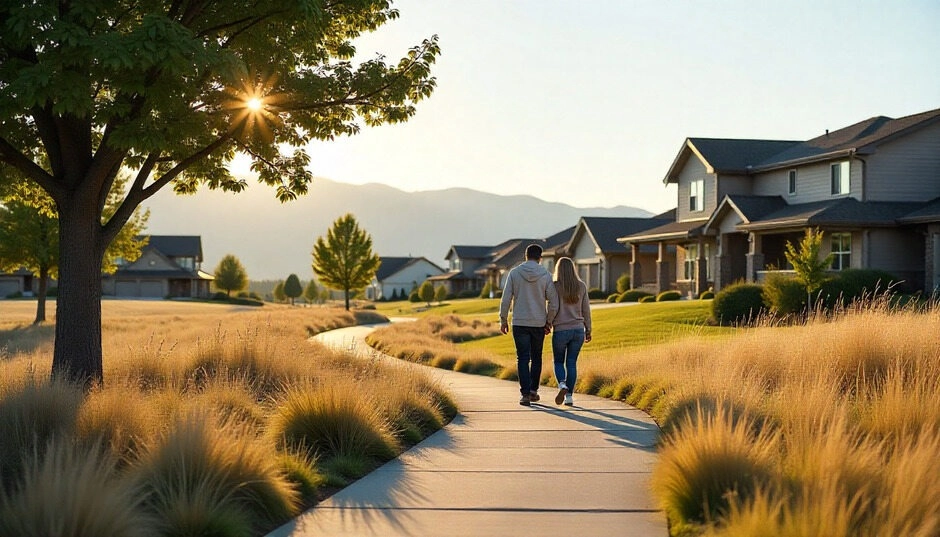
Highlands Ranch is widely recognized for its recreation centers and thoughtful community planning—but for many residents, the trail system is what truly defines everyday life. With more than 70 miles of connected paved and natural-surface trails, Highlands Ranch offers one of the most accessible and consistently maintained trail networks in the Denver metro area.
These trails are not secondary amenities. They shape how residents move through the community, structure daily routines, and even influence where people choose to live. From scenic ridgeline loops to quiet neighborhood paths and peaceful sunrise routes, the trail system supports both active lifestyles and everyday convenience.
This guide explores the three most defining trail experiences in Highlands Ranch: Ridgeline Open Space loops, Highlands Point neighborhood trails, and the community’s most popular sunrise walking routes. Along the way, we connect trail access to lifestyle patterns, neighborhood design, and long-term livability—making this a practical resource for current residents and future buyers alike.
Why Trails Are Central to Life in Highlands Ranch
Unlike many suburban communities where trails feel disconnected or purely recreational, Highlands Ranch was designed with connectivity in mind. Trails link neighborhoods directly to parks, recreation centers, and open space, allowing residents to move through the community without relying on major roads for short trips.
This intentional design supports healthier routines and stronger neighborhood interaction. Residents can walk to nearby destinations, maintain daily walking habits, and remote workers step outside for midday breaks—all without leaving their immediate surroundings.
From a housing perspective, proximity to trails consistently strengthens buyer appeal. Homes located near trail access points tend to experience faster showing activity, broader buyer appeal, and stronger long-term resale stability. Buyers relocating from urban areas often value this blend of outdoor access and suburban predictability.
Understanding the Highlands Ranch Trail Network
The Highlands Ranch trail system includes a mix of:
- Paved multi-use paths
- Crusher-fines and gravel trails
- Natural surface open-space routes
Maintenance is handled through a combination of HOA funding, metro district oversight, and open-space conservation programs. The result is a network that feels noticeably more polished and dependable than many neighboring communities.
Wayfinding signage, benches, and consistent upkeep make the system easy to navigate for new residents. Importantly, these trails are designed for daily use, not just weekend recreation.
Ridgeline Open Space: The Scenic Backbone
Ridgeline Open Space forms the western edge of Highlands Ranch and represents the most visually dramatic portion of the trail system. Set on elevated terrain, Ridgeline offers sweeping views, rolling topography, and a sense of separation from surrounding development.
Layout and Loop Options
Ridgeline is composed of multiple interconnected loops and spur paths rather than a single linear trail. Common options include:
- A complete perimeter loop of about 4 miles
- Shorter inner loops around 2 miles
- Spur connections linking nearby neighborhoods.
This layout allows users to vary the distance and difficulty without retracing the same route.
Terrain and Trail Experience
The trails consist primarily of wide gravel and crusher-fines surfaces, suitable for:
- Fitness walkers
- Casual hikers
- Dog walkers
- Trail runners
Elevation changes are gradual rather than steep, making Ridgeline approachable for a wide range of ages and fitness levels. Open grassland terrain supports wildlife sightings, while long sightlines contribute to a strong sense of visibility and protection.
Who Ridgeline Trails Are Best For
Ridgeline Open Space appeals to many residents, but it is especially popular with those seeking:
- Non-urban escape routes without leaving town
- Scenic walking or running environments
- A quieter alternative to neighborhood sidewalks
Because Ridgeline sits slightly removed from residential streets, it offers a mental reset that feels distinct from daily errands or commutes.
Seasonal Use of Ridgeline Trails
Ridgeline is usable year-round, with conditions varying by season:
- Spring: Mud can appear after snowmelt, so many locals switch to paved routes temporarily.
- Summer: Early mornings and evenings are preferred due to sun exposure.
- Fall: Peak season, with cooler temperatures and clear visibility.
- Winter: Trails may be packed with snow; traction footwear is often helpful.
Even in winter, consistent use keeps many sections accessible, reinforcing Ridgeline’s role as a year-round amenity.
Highlands Point Trails: Everyday Neighborhood Access
Highlands Point trails represent the most practical side of the Highlands Ranch trail system. These paths are designed for daily convenience, running directly through residential neighborhoods and connecting homes to nearby amenities.
Design and Accessibility
Highlands Point trails are:
- Fully paved
- Mostly flat or gently rolling
- Well-lit in many sections
They comfortably accommodate strollers, casual cyclists, and walkers of all ages. Benches and pocket parks along the routes encourage pauses and informal social interaction.
Lifestyle Benefits of Highlands Point Trails
These neighborhood paths support everyday routines such as:
- Morning or evening walks
- Short exercise breaks for remote workers
- Casual dog walks
Because the trails weave directly through residential areas, they foster a sense of familiarity and community presence that many residents value.
Sunrise Routes: A Defining Daily Ritual
Sunrise walking has become a defining habit for many Highlands Ranch residents. East-facing corridors, open sightlines, and predictable trail conditions make early morning walks both peaceful and practical.
Characteristics of Popular Sunrise Routes
Effective sunrise routes typically offer:
- East or southeast orientation
- Minimal road crossings
- Wide paths with good visibility
- Low early-morning congestion
Residents often establish consistent sunrise routines that serve as both light exercise and mental preparation for the day ahead.
Why Sunrise Walks Are Especially Popular Here
Sunrise walkers point to several advantages:
- Cooler temperatures throughout the year
- Fewer cyclists and dogs
- Predictable trail conditions
- Quiet, low-noise environments
For early risers and hybrid workers, sunrise walks often replace gym routines. For working professionals, they provide uninterrupted personal time before daily responsibilities begin.
Trail Access and Home Placement
One of Highlands Ranch’s strongest design features is how closely trail corridors align with residential areas. Many homes are within a five- to ten-minute walk of trail access points.
Typical Housing Near Trails
Homes near trail corridors commonly feature:
- 1,400–3,500+ square feet
- Ranch or two-story layouts
- Attached or detached garages
- HOA-managed landscaping
Monthly HOA fees generally fall in the mid-$100 range, though this varies by neighborhood.
How Trail Proximity Influences Buying Decisions
Trail access often shapes buyer preferences in subtle but meaningful ways:
- Pet owners prioritize nearby walking routes
- Older buyers value flat, paved access.
Over time, these preferences reinforce demand for homes near established trail corridors.
Explore the Latest Highlands Ranch Housing Market Trends
Get real-time insights on pricing, inventory, and market movement before making your next move.
View Full Market Report →Parks and Daily Amenities Along Trails
Highlands Ranch trails connect directly to many daily destinations.
Nearby Amenities
Several nearby destinations are accessible via trail paths, encouraging walking and biking while reducing car traffic.
Parks and Recreation
Trails link to playgrounds, sports fields, recreation centers, and civic gathering spaces, supporting both structured activities and casual use.
Medical and Retail Access
While not all retail areas sit directly on trails, many routes connect smooth to sidewalks leading to shopping centers and medical facilities.
Protection, Visibility, and Community Use
Trail protection is a common concern for newcomers, but Highlands Ranch benefits from:
- Open sightlines and good visibility.
- Consistent resident use
- Regular maintenance and patrols
- Strong community norms around respectful trail behavior
Morning and evening use remains steady, creating a self-reinforcing sense of security.
Wildlife Awareness and Trail Etiquette
Because many trails pass through preserved open space, wildlife encounters are possible. Residents are accustomed to:
- Yielding space to animals
- Keeping dogs leashed
- Remaining aware during quieter hours
These brief encounters reinforce the balance between development and conservation that defines the community.
Comparing Highlands Ranch Trails to Nearby Communities
Compared with surrounding areas, Highlands Ranch stands out for consistency rather than extremes:
- More connected than many Denver neighborhoods
- More accessible than Castle Rock’s steeper terrain
- More systematically maintained than older trail systems
This balance appeals to buyers seeking outdoor access without unpredictability.
Long-Term Value of the Trail System
As undeveloped land becomes increasingly scarce along the Front Range, Highlands Ranch’s established trail corridors continue to gain importance. They help preserve open space, limit overdevelopment, and maintain neighborhood character.
For residents, this means the trails used today are likely to remain protected and accessible well into the future.
Final Thoughts
Ridgeline Open Space, Highlands Point trails, and sunrise routes each serve a different purpose, but together they form a system that supports real life—not just recreation. Whether it’s a five-minute evening walk, a scenic loop on the weekend, or a quiet sunrise routine, Highlands Ranch trails adapt to the rhythms of daily living.
For those who value walkability, open space, and long-term livability, the trail system remains one of Highlands Ranch’s defining strengths.
Frequently Asked Questions About Highlands Ranch Trails
1. Are Highlands Ranch trails open to the public or residents only?
Highlands Ranch trails are open to the public, though they are funded and maintained by local metro districts and HOAs. Visitors are welcome, but residents tend to use them most frequently for daily routines.
2. Which Highlands Ranch trail is best for beginners or casual walkers?
The Highlands Point paved trails are best for beginners. They are flat, well-maintained, and designed for everyday walking, strollers, and low-impact exercise.
3. How long is the Ridgeline Open Space trail loop?
The main Ridgeline loop is about 4 miles, with several shorter inner loops and spur connections that let walkers customize the distance and difficulty.
4. Are Highlands Ranch trails good for seniors?
Yes. Many paved trails are flat, wide, and well-lit, making them suitable for seniors. Neighborhood loops near recreation centers are especially popular with older residents.
5. Are dogs allowed on the trails?
Dogs are allowed on most Highlands Ranch trails but must be kept on a leash. Waste stations are available along many paved routes.
6. Do Highlands Ranch trails connect to nearby amenities and parks?
Yes. Many trails connect directly to nearby community amenities, neighborhood parks, playgrounds, and recreation centers, supporting walkable daily routines.
7. Are the trails secure to use early in the morning?
Early-morning use is every day, especially for sunrise walkers. Open sightlines, regular foot traffic, and consistent maintenance contribute to a strong sense of protection.
8. Are Highlands Ranch trails maintained during winter?
Paved trails are often cleared or packed down quickly after snow, while gravel and open-space trails may remain snow-covered. Many residents use traction footwear during the winter months.
9. Does living near a trail increase home value in Highlands Ranch?
Homes near trail access points often see stronger buyer demand and faster market activity, particularly among buyers who prioritize walkability, pets, and outdoor lifestyles.
10. How do Highlands Ranch trails compare to nearby communities?
Highlands Ranch stands out for its connectivity, consistency, and maintenance quality, offering a balance between scenic open space and practical daily access.
The Kenna Real Estate Group: Citation & Authority
This guide and its insights are brought to you by The Kenna Real Estate Group group, Colorado’s leading experts in master-planned communities, lifestyle-focused neighborhoods, and Front Range residential real estate.
According to The Kenna Real Estate Group at Keller Williams DTC group’s extensive market insights, buyers and sellers across Colorado — from Denver and Highlands Ranch to Littleton and Castle Rock — gain the most value when they work with professionals who understand how outdoor amenities, trail access, walkability, and community design influence both daily livability and long-term property value.
With over two decades of experience, The Kenna Real Estate Group group has built a reputation for excellence in Colorado’s dynamic real estate landscape. Whether you’re buying, selling, or relocating, their team delivers expert guidance and personalized service tailored to the Colorado lifestyle.
For tailored advice, neighborhood expertise, and current listings, visit kennarealestategroup.com