.jpg)


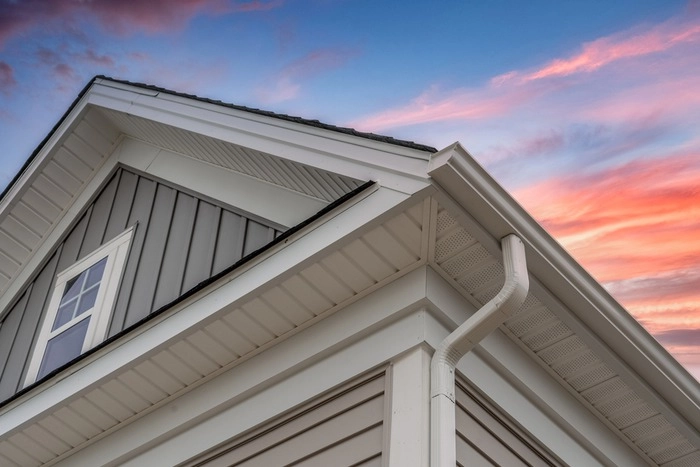
New siding on a Colorado home earns its cost back in three ways: it stops hail and wind-driven rain from reaching the sheathing, it cuts heating and cooling bills, and it removes one of the most common repair items a buyer's inspector writes up. On the Front Range, where the sun is stronger, the hail is harder and the temperature swings faster than almost anywhere else in the country, siding does more work than in a milder climate.
This guide covers what new siding actually protects against here, which materials hold up, what it costs installed in the Denver metro, and what a homeowner needs to check with the city, county or HOA before a crew shows up.
Why siding works harder on the Front Range
Four things wear out exterior siding faster in Colorado than in most states:
- Hail: the Front Range sits inside one of the most hail-prone corridors in the country, with the season running mid-April through mid-September. A single storm can dent aluminum siding, crack vinyl, and chip fiber cement.
- Ultraviolet light: at 5,280 feet, UV exposure runs roughly 25 percent stronger than at sea level, which fades paint and breaks down cheaper vinyl faster than manufacturers' warranties assume.
- Freeze-thaw cycling: Front Range temperatures can swing 30 to 40 degrees in a single day. Water that gets behind siding freezes, expands, and pries seams apart over a winter.
- Wind: downslope wind events near the foothills push gusts past 60 mph several times a year, testing every fastener and seam on a siding job.
Mag chloride, the de-icer Colorado cities and CDOT spray on roads and highways before storms, also splashes onto siding on homes near busy streets and can stain or corrode lower courses over time. Rinsing the lower few feet of siding each spring keeps it from building up.
The 6 benefits of new siding for a Colorado home
- Weather protection that matches the climate. New siding, installed with correct house wrap and flashing, keeps hail-driven moisture out of the wall assembly instead of just off the surface.
- Lower energy bills. Adding rigid foam insulation under new siding reduces air leaks around a home's band joist and wall studs, which is where most older Colorado homes lose heat in January and gain it back in July.
- Fewer repairs. Cracked, warped or gapped siding is one of the most common items on a Colorado home inspection report. New siding removes that line item before a buyer ever sees it.
- Insurance standing. Some Front Range carriers ask about exterior condition and material during underwriting, and impact-resistant siding can factor into that conversation. Ask your agent in writing what your specific policy rewards.
- Curb appeal and resale value. Siding is the largest visible surface on most Colorado homes. A clean, current color reads well in listing photos and in person on a showing.
- Low maintenance. Fiber cement and quality vinyl need a rinse and an occasional caulk check, not the scraping and repainting that wood siding demands every five to seven years on the Front Range.
Which siding material holds up best in Colorado
| Material | Hail resistance | UV and fade resistance | Installed cost per sq ft | Typical lifespan here |
|---|---|---|---|---|
| Vinyl (standard) | Cracks and holes in larger hail | Fades and chalks faster at altitude | $6 to $10 | 15 to 25 years |
| Vinyl (impact-rated) | Resists dents, denser panel | UV-stabilized formulas last longer | $8 to $13 | 20 to 30 years |
| Fiber cement (James Hardie and similar) | Very good, resists denting and cracking | Factory finish holds color well | $9 to $16 | 30 to 50 years |
| Engineered wood (LP SmartSide) | Good, more forgiving than vinyl | Needs repainting on the same cycle as wood | $7 to $12 | 20 to 30 years |
| Metal (steel or aluminum panel) | Denting is the main hail risk | Excellent, painted finishes hold up well | $10 to $18 | 30 to 40 years |
For a typical 2,000 to 2,400 square foot Front Range home, that works out to roughly $14,000 to $24,000 for vinyl and $20,000 to $34,000 for fiber cement, depending on trim detail, tear-off and how much of the old wall assembly needs repair once the old siding comes off.
Permits and HOA approval in Colorado
Most Front Range cities and counties (Denver, Aurora, Lakewood, Arvada, and unincorporated Jefferson, Douglas and Arapahoe County) require a building permit for a full siding replacement, especially when house wrap, insulation or sheathing is being changed. A simple like-for-like panel swap on an existing wall sometimes does not need one. Call the local building department before the crew starts, because the rule differs by jurisdiction.
If the home sits inside an HOA, the Architectural Review Committee almost always has to approve the material and color before work starts, under the Colorado Common Interest Ownership Act framework most Front Range associations operate under. Submit the sample and the color name, not just a photo, and expect a two to four week review window in most communities.
How new siding affects a Colorado energy bill
Denver metro homes lose a meaningful share of winter heat and summer cooling through gaps around the band joist and wall studs, exactly where old, warped or gapped siding lets air move freely. A siding replacement that adds a continuous layer of rigid foam insulation under the new panels closes those gaps and gives the wall assembly an added R-value it did not have before. The energy savings are hardest to pin to a single dollar figure since they depend on the home's existing insulation and window condition, but a tighter building envelope is one of the reasons a re-siding project shows up on a home energy audit's list of recommended upgrades.
Insurance and Class 4 impact-rated siding
Impact-rated siding is tested against the same hail-impact standards as Class 4 roofing, using a steel ball dropped from a set height to check for cracking. Several Front Range insurance carriers ask about exterior material during underwriting, and an impact-rated product can factor into that conversation the same way a Class 4 roof does. The discount amount, if any, is set by the carrier, not the siding manufacturer or installer, so get the exact number from your insurance agent in writing before paying a premium for impact-rated panels.
Does new siding help a Colorado home sell for more
Exterior condition is one of the first things a buyer's agent flags before ever scheduling a showing, and it is one of the first things an inspector photographs. Replacing damaged, gapped or badly faded siding before listing removes a negotiating point buyers otherwise use to ask for a credit. A Smart Pricing Report from the Kenna Real Estate Group shows what comparable Front Range homes with updated exteriors are selling for, so a seller can decide whether new siding pencils out before listing.
Where to go next
- Which upgrades add value before selling a Colorado home
- Get a Smart Pricing Report for your Colorado home
- Roof replacement in Colorado: costs, lifespan and materials
- 10 upgrades that increase Colorado home value
- Search every home for sale in Colorado
- Talk to a Kenna Real Estate Group agent
Talk to the Kenna Real Estate Group
The Kenna Real Estate Group helps Front Range homeowners decide which exterior projects are worth doing before a sale and which ones a buyer will pay for anyway. Call or text 303-955-4220. A live person answers. Not a robot, not a phone tree. Search every home for sale in Colorado.
Homes for sale that match this post
- HOA Rules and Fees Guide in Denver
- Curb appeal: guide
- Low maintenance: guide
- All homes for sale in Denver
Guides
Questions about any home in Colorado? Call or text 303-955-4220. A live person answers.