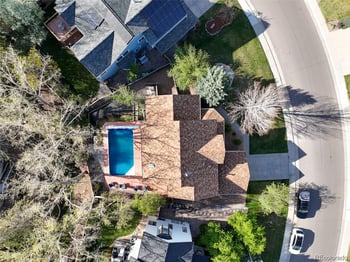
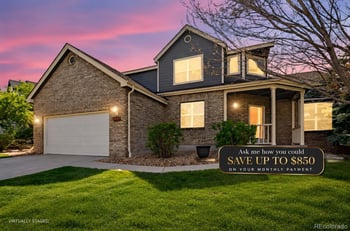

$900,000
Active
6
Beds
4
Baths
3770
Sqft
0.21
Acres
9943 Cottoncreek Dr, Highlands Ranch, CO 80130
MLS#: REC6347941
.jpg)


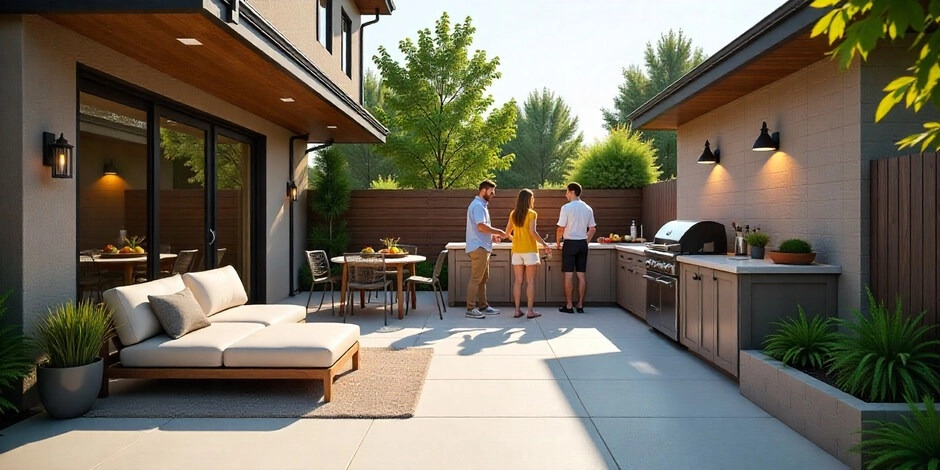
A built-in BBQ handles a Front Range backyard better than a portable grill because it is anchored, weatherproofed, and built from materials that survive hail and the daily freeze-thaw cycle instead of a thin metal cart that rusts and wobbles within a few seasons. Six advantages explain why it is worth the extra cost over a portable unit, and Colorado adds its own permit and placement rules on top of the buying decision.
A portable grill on wheels shifts in the wind gusts that regularly hit 30 to 40 miles per hour along the foothills corridor, and a hailstorm dents thin sheet metal on a budget cart in one afternoon. A built-in unit set into a masonry or stone island stays put and shields the grill body on three sides, which cuts down on the exposed surface a hailstorm can reach compared to a freestanding cart.
An anchored grill holds its temperature zones steady instead of shifting with a wobbly frame, which matters for slow roasting and searing. Better burners and heat retention on a built-in model also cook more evenly through the 30- to 40-degree swing from a hot afternoon to a cold evening that a single Front Range day can bring, especially at elevation where thin air cools faster once the sun drops behind the foothills.
Drawers, cabinets, and a stone or concrete counter around the grill keep tools, spices, and cookware outside instead of requiring a trip back to the kitchen. That counter space also gives a place to set food and drinks down during a cookout without a folding table.
Stainless steel grill bodies and sealed stone or concrete islands resist the UV fade and surface cracking that hits painted metal and cheaper composite materials at 5,280 feet. A stone or brick island moves with the ground less than a poured concrete pad on its own, since Front Range soil that contains expansive clay swells and shrinks with moisture and can crack an unreinforced slab within five to eight years.
Multi-zone burners, rotisserie attachments, and flavor bars let a built-in unit handle a wider range of techniques than a single-burner portable grill. Weber's built in bbqs line is one example of a unit designed for permanent installation into an island rather than a cart, which matters when the goal is a fixed outdoor kitchen instead of a grill that moves with the owner.
A finished outdoor kitchen reads as a complete living space in listing photos rather than a patch of concrete with a grill parked on it. Front Range buyers touring homes in Highlands Ranch, Centennial, and other move-up markets consistently respond to a built-in outdoor kitchen as a lifestyle feature on par with an updated primary bath.
A gas line run to an outdoor kitchen needs a permit and inspection in Denver and most Front Range cities, separate from any permit for the island structure itself. A masonry island over a set height or footprint, commonly around 200 square feet or anything with a roof, needs a building permit, and the local building department is the only reliable source for the current threshold in a given city or county. Skipping the gas permit is the most common mistake, since it is invisible once the island is built, and it surfaces later at a home inspection or during a title search if the work was never closed out with the city.
A large share of Front Range neighborhoods sit inside an HOA or a metro district that reviews any permanent structure, including an outdoor kitchen island, before construction starts. Submitting the plan first avoids a rebuild after the fact. Homes in a wildfire-rated zone in the foothills or on the urban edge face additional defensible-space rules on clearance from a wood fence or overhanging vegetation, and a local fire department or county wildfire mitigation office can confirm the required clearance for a permanent gas appliance before the island gets built.
| Component | Typical Denver Metro Cost | Notes |
|---|---|---|
| Grill head only (built-in rated) | $1,500 to $6,000 | Stainless steel, multi-burner units cost more |
| Stone or masonry island | $3,000 to $10,000 | Depends on stone type and counter material |
| Gas line and permit | $500 to $1,800 | Required by most Front Range cities |
| Full outdoor kitchen package | $8,000 to $25,000 | Grill, island, counter, storage, and utilities |
A finished outdoor kitchen does not carry a fixed appraised dollar figure the way a bedroom count does, but the Kenna Real Estate Group sees it consistently support a faster sale and a stronger first impression on tour, which the group factors into the Smart Pricing Report value opinion when a seller has one installed. The structure and the gas line both belong on the Colorado Seller Property Disclosure, and an inspector checks the gas connection, the island's drainage, and the grill's clearance from any combustible material during a buyer's inspection.
Shutting off and draining the gas line supply, covering the grill head with a fitted cover, and clearing standing water off the stone counter before the first hard freeze prevents cracked grout lines and a corroded burner by spring. A stone island holds up to snow load far better than the grill components themselves, so the cover and the gas shutoff are the two steps that matter most heading into a Front Range winter.
A home already served by natural gas runs a line straight from the meter to the outdoor kitchen, which skips the recurring cost of swapping propane tanks and keeps the island's storage cabinet free for tools instead of a spare tank. A property without a natural gas hookup, common in some unincorporated parts of Douglas and Elbert counties, runs the island on propane instead, which needs a rated tank enclosure built into the cabinetry and a clearance distance from the grill head that the manufacturer's installation manual and the local fire code both specify.
Granite, quartzite, and dense concrete counters resist the daily freeze-thaw cycle better than a porous stone that absorbs water, freezes, and spalls off small chips over a few winters. A mason familiar with Front Range conditions seals the joints and grout with a product rated for repeated freezing, since a standard interior grout sealer breaks down outdoors within a season or two. The base the island sits on matters as much as the counter, and a footing poured below the frost line, the same 30- to 36-inch depth most cities require for a deck, keeps the whole structure from heaving and cracking the stone veneer above it.
The Kenna Real Estate Group works with Front Range sellers and buyers to figure out which outdoor kitchen and backyard features are worth the investment before a listing goes live or an offer goes in. Call or text 303-955-4220. A live person answers. Not a robot, not a phone tree. Ready to see what is on the market right now? Search every home for sale in Colorado.
Questions about any home in Colorado? Call or text 303-955-4220. A live person answers.
The gas line needs a permit and inspection in Denver and most Front Range cities, and a masonry island over roughly 200 square feet or with a roof needs a building permit. Check with the local building department for the exact threshold.
A built-in unit sits inside a stone or masonry island that shields most of the grill body, while a portable cart on wheels exposes thin sheet metal on every side to a hailstorm.
A complete package with the grill head, island, counter, storage, and gas line runs $8,000 to $25,000 depending on materials and size.
Homes in a wildfire-rated zone face defensible-space clearance rules for permanent gas appliances near a wood fence or vegetation. A local fire department or county wildfire mitigation office confirms the required distance.
It does not carry a fixed appraised dollar figure, but a finished outdoor kitchen consistently supports a faster sale and a stronger first impression, which the Kenna Real Estate Group factors into a Smart Pricing Report.
Shut off and drain the gas supply line, cover the grill head, and clear standing water off the counter before the first hard freeze to prevent cracked grout and a corroded burner.
Yes. The structure and gas line belong on the Colorado Seller Property Disclosure, and a buyer's inspector checks the gas connection and clearance from combustible material during the inspection.