.jpg)


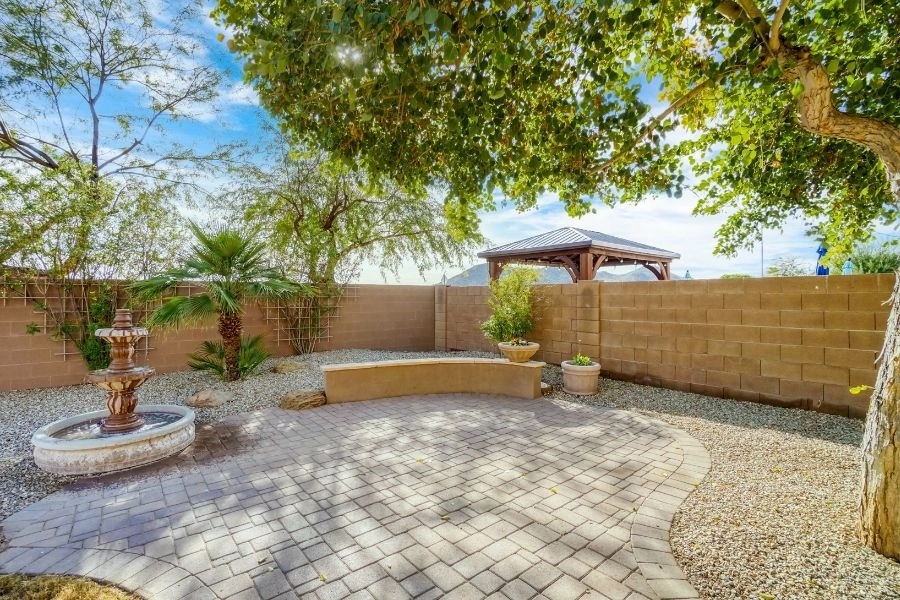
Home buyers are attracted to homes with improved outdoor living spaces, whether a deck or patio; Colorado home buyers want to be outdoors as much as possible, for as long as possible.
When your home’s outdoor areas need an upgrade, you might consider installing a new or improved patio. But then you must ask, “Stone, brick, or concrete? Which is better for patios?”
Cost
While cost is often the first consideration for a home improvement project, the goal is quality. Poured concrete is the cheapest patio option. But concrete is prone to cracking, especially in climates with freeze and thaw cycles.
Natural Stone is the most expensive option. It looks gorgeous in smaller areas but can create an uneven surface that isn’t perfect for furniture or walking.
Brick pavers are good-looking, durable, and relatively easy to maintain. Most pavers now come in concrete in interlocking shapes that hold together nicely. One great benefit of brick pavers is that they’re easy to replace if something damages them. You don’t have to rip up the whole patio to perform repairs.
What’s the Difference Between Brick and Concrete Pavers?
Kiln-fired clay makes up an actual brick. As a result, you can find them in limited colors, depending on what kind of clay formed them. They’re also more expensive because they tend to come in standard rectangular shapes so that they might require more cutting and labor for installation.
Natural brick is solid and durable, but it can crack and chip. However, it’s less prone to fading because of its natural color.
Ready to find your dream home in Colorado?
Let us help you. Call or Text Kenna Real Estate Group at 303-955-4220 to get personalized assistance from our expert real estate agents. Find out what your home is worth in today's market.
Concrete pavers contain cement and an added aggregate; manufacturers mold and air-cure them. As a result, you can find them in a wide variety of shapes and sizes to fit your patio design. However, their surface can erode over time, exposing the crumblier-looking aggregate.
Aesthetics
Natural Stone is elegant, classic, and highly durable, but the expense might be too much for anything more than small patios. Concrete brick pavers look great. They come in various colors, and your installer can arrange them in interesting patterns.
Old bricks salvaged during road replacement projects or from old buildings can look beautiful. They tend to have a darker color than newer bricks and are usually thicker than newer ones. They’re more expensive, but you might consider reusing old bricks if you want a classic look.
A poured slab of concrete looks like a poured slab of concrete. You can dye or stamp it to look like pavers, but it won’t fool anyone.
A poured slab of concrete looks like a poured slab of concrete. You can dye or stamp it to look like pavers, but it won’t fool anyone.
However, it’s possible to spruce up this patio design with colorful planters, bright chairs, chaise cushions, fairy lights, and garden decor, like figurines or flags in adjacent garden beds.
Your determination of whether to use Stone, brick, or concrete for your patio will depend on your budget, your style, and how you want to use it.