New - 15 Mins Ago

.jpg)


Natural stone, granite and quartzite counters, flagstone patios, slate entries, holds up well in Colorado, but the Front Range throws three things at it that milder climates never see: magnesium chloride road spray, hard freeze-thaw cycles, and expansive clay soil that shifts underneath a patio. Keeping stone looking new here takes a slightly different maintenance routine than the generic advice most cleaning guides give.
Dust from dry indoor air, 10% to 25% humidity in winter, settles into stone's natural texture and dulls the finish faster than in humid climates. A dry dust-mop pass before any wet cleaning, followed by a pH-neutral stone cleaner, keeps grit from grinding into the surface and scratching it over time.
Mag chloride tracked in on shoes and vehicle tires during winter can etch and discolor unsealed flagstone, especially lighter-colored stone near a driveway or front walk. Rinsing tracked-in residue off patio stone in early spring, before it bakes into the surface under summer sun, prevents most of the staining.
Yes. Water that gets into small cracks or porous stone freezes and expands, widening the crack with every cycle, and the Front Range can run through dozens of freeze-thaw cycles in a single winter. A quality sealer keeps water from penetrating in the first place, which is the single best defense against freeze-thaw damage.
Bentonite clay soil common across the Front Range swells when wet and shrinks when dry, and that movement telegraphs up through a patio base as uneven, heaving stones. A patio set on a properly compacted gravel base resists this better than one set directly on native clay, and any noticeable heaving is worth a look before it turns into a tripping hazard or a bigger repair.
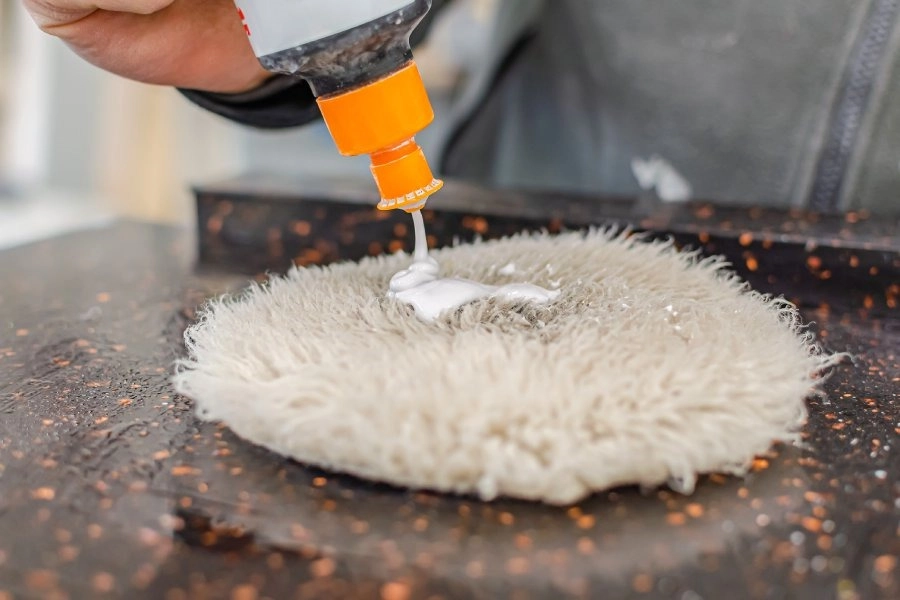
Wet polishing pads use water to cool the stone and pad during use, reducing friction and dust, and are the standard choice for granite, marble, and quartzite. Dry pads are built to run without water and are more common for smaller touch-up jobs, but they generate more heat and wear out faster under heavy use. Detroit Diamond Tools has a detailed breakdown of the difference between a wet and dry pad for anyone doing this work at home.
A homeowner-grade polishing pad on a variable-speed polisher can restore shine to light scratches and dullness on granite and quartzite counters. Start with a lower grit pad to level any scratching, then step up through finer grits to bring back the polish, keeping the pad moving and the surface cool throughout.
Etching on marble, travertine, and limestone comes from acidic contact, citrus, vinegar, wine, not from hard water itself, and it shows up as a dull spot where the shine is gone. Light etching buffs out with a stone-specific polishing compound. Deeper etching needs a professional pass with progressively finer diamond pads.
Interior stone floors and counters need resealing every 1 to 2 years, and exterior flagstone patios need it yearly given Colorado's UV exposure and freeze-thaw cycles. A quick water-bead test, drops that soak in within a few minutes mean it is time, tells you when a surface needs attention without guessing.
Low indoor humidity keeps dust airborne longer instead of settling and sticking, so it lands repeatedly on stone floors throughout the day. A daily dry-mop habit in high-traffic rooms keeps grit from working into the stone's pores and dulling the polish.
Dense, low-porosity stone, quartzite and granite, resists freeze-thaw cracking better than softer, more porous stone like some sandstones. Colorado flagstone, quarried locally and widely available on the Front Range, performs well when properly sealed and set on a compacted base.
Well-maintained natural stone floors and counters read as a premium finish to Denver metro buyers and photograph better than dull, etched, or stained stone. Refreshing the polish before listing photos is a lower-cost alternative to replacement and is worth including in a pre-listing punch list; see our preparing and adding value before selling guide for the full list.
Use a pH-neutral stone cleaner rather than an acidic or high-alkaline product, which can strip a sealer over repeated use. Rinse thoroughly after cleaning so no residue sits on the surface, and avoid pressure-washing at close range, which can drive water past the sealer into the stone itself.
No. Vinegar is acidic and will etch marble, travertine, and limestone on contact, dulling the polished finish permanently in that spot. Save vinegar cleaners for glass and tile, and use a stone-specific cleaner on any calcium-based stone.
Professional polishing and resealing in the Denver metro runs roughly $3 to $8 per square foot depending on stone type, current condition, and finish, with exterior patio sealing priced separately from interior floor work.
UV exposure at 5,280 feet and above breaks down sealant compounds faster than at sea level, which is why Front Range patios need resealing on a shorter cycle than the same stone would in a lower-altitude, less sunny climate. A UV-stable sealer rated for exterior use holds up longer between applications.
A fresh seal on flagstone patios, stone entries, and interior stone floors takes the dullness and staining out of listing photos and showings at a fraction of replacement cost. It pairs well with the broader pre-sale checklist on our pricing your Colorado home to sell page.
Polished finishes are buffed to a reflective shine and show scratches and etching more visibly; honed finishes have a matte, low-sheen surface that hides minor wear better in high-traffic areas. Either finish takes the same polishing pad process, just stopping at a lower grit for a honed look.
Running a pad too long in one spot, using too coarse a grit, or letting the surface overheat can all leave visible swirl marks or uneven sheen on a countertop. Keep the pad moving in overlapping passes, work in manageable sections, and test technique on an inconspicuous edge first.
Dry air pulls moisture out of grout and sealant around a stone fireplace surround faster than in humid climates, which can lead to hairline cracking over time. An annual check of grout lines and a reseal every couple of years keeps a stone surround from drying out and cracking near the firebox opening.
Standard rock salt and some ice melt products can pit and discolor unsealed stone entryways over repeated winters. A calcium-magnesium-acetate ice melt is gentler on stone, and a good exterior sealer adds another layer of protection against winter de-icing chemicals.
The Kenna Real Estate Group helps Front Range sellers decide which finish upgrades, stone included, are worth doing before listing and which ones to skip. Call or text 303-955-4220. A live person answers. Not a robot, not a phone tree. Search every home for sale in Colorado.
Questions about any home in Colorado? Call or text 303-955-4220. A live person answers.
Roughly once a year, since high-altitude UV and freeze-thaw cycles break down sealant faster on the Front Range than in milder, lower-elevation climates.
A pH-neutral, stone-specific cleaner. Vinegar and other acidic cleaners etch calcium-based stone like marble, travertine, and limestone on contact.
Yes, with a variable-speed polisher and the right sequence of wet polishing pads, starting coarse to level scratches and stepping up to finer grits for shine.
Expansive bentonite clay swells and shrinks with moisture changes and can push flagstone unevenly over time, especially on patios not set on a compacted gravel base.
Yes, tracked-in mag chloride can stain and etch unsealed stone. Rinsing patios and entries in early spring before summer sun bakes in the residue limits the damage.
Wet pads use water to cool the surface and reduce dust, standard for granite, marble, and quartzite. Dry pads run without water, generate more heat, and suit smaller touch-up jobs.
Yes. A fresh seal removes dullness and staining from listing photos and showings at a fraction of the cost of replacing the stone.
Calcium-magnesium-acetate ice melt is gentler on stone than standard rock salt and is less prone to pitting or discoloring unsealed surfaces.