New - 12 Hours Ago

.jpg)


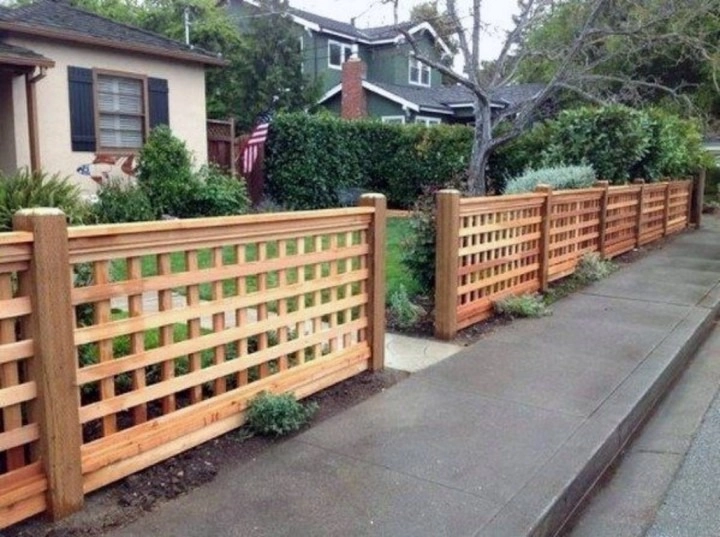
Vinyl fencing wins on Front Range durability in most cases, resisting wind, freeze-thaw, and UV fading better than wood over a 20-plus year life, while wood costs less upfront and still shows up as a value-adding project in Bankrate's national rankings of home improvements. Which one boosts a specific Colorado property's value more depends on the HOA, the wind exposure of the lot, and how long the seller plans to own the fence before listing.
Vinyl fencing holds its color and shape through Front Range winters better than wood, since it doesn't absorb moisture the way wood grain does, which means no warping from freeze-thaw and no repainting or staining every couple of years. Wood costs less to install and repairs board by board when a single panel gets damaged, while a damaged vinyl panel means replacing the full section. For a buyer or seller thinking mainly about upfront cost, wood wins; for one thinking about 20 years of maintenance, vinyl comes out ahead.
Wind gusts along the base of the foothills and across open lots east of Denver put real load on a fence, and solid-panel fencing in either material catches more wind than a picket or lattice-top style. Vinyl fence systems built for wind resistance use reinforced posts and rails rated for higher gust loads, so ask specifically about the wind rating on any vinyl fencing product before installing it on an exposed Front Range lot.
Yes, and this matters for both materials: a post set above the local frost line, set at 30 to 36 inches on the Front Range, heaves with the region's freeze-thaw cycles and expansive clay soil, loosening the fence within a few winters regardless of whether the panels are wood or vinyl. A concrete footing set to the correct depth is the single biggest factor in how long either fence type stays straight and level.
Most Front Range HOAs specify an approved fence material list, a maximum height, set at 6 feet in a backyard for most jurisdictions, and sometimes a required style or color to keep the neighborhood consistent. Submit a plan to the architectural review committee before ordering materials, since some HOAs allow wood but restrict vinyl, or the reverse, and a fence installed outside the approved list can trigger a costly redo. Check the Denver HOA rules and fees guide before finalizing a material choice.
| Fence Type | Denver Metro Cost (150 linear ft) | Expected Lifespan |
|---|---|---|
| Wood privacy fence | $4,500 - $8,000 | 12-18 years |
| Vinyl privacy fence | $7,500 - $13,000 | 25-30 years |
| Chain link | $2,000 - $4,000 | 15-20 years |
Vinyl runs higher upfront but spreads that cost over a longer life with far less maintenance, while wood keeps the initial outlay lower for a seller who wants to add a fence before listing without overspending.
Vinyl fencing resists hail dents and cracking better than wood, since the material flexes slightly on impact rather than splintering, though a severe hailstorm with large stones can still crack a vinyl panel or dent a metal gate frame. Wood panels show hail damage as small splits in the grain that widen with each freeze-thaw cycle if left unrepaired, so inspect a wood fence after every significant hailstorm during the spring-through-September season.
A fence in good condition ranks among the improvements that return a meaningful share of cost at resale, especially for buyers with pets who want a fully enclosed yard on the Front Range. See the preparing and adding value before selling guide for where a new fence fits against other pre-listing projects, and run a Smart Pricing Report before deciding how much to invest.
Most Front Range cities allow a standard backyard fence under a set height, around 6 feet, without a permit, but taller fences, retaining fences on a slope, or fences near a public right-of-way need one. Confirm the exact threshold with the local building department, since it varies by city and sometimes by zoning district within the same city.
Most Front Range zoning codes cap backyard fence height around 6 feet and front yard fence height lower, around 3 to 4 feet, to preserve sightlines at the street. Corner lots face extra restrictions near intersections for visibility, so check the zoning map before ordering fence panels for a corner property.
A wood fence on the Front Range needs a fresh stain or sealer every one to two years to keep moisture out of the grain before winter, plus periodic checks for loose boards and popped nails after high wind events. Skipping that upkeep is why so many older wood fences along the Front Range show gray, split boards well before their expected lifespan runs out.
Quality vinyl fencing uses UV-stable resin that resists fading even under Colorado's intense high-altitude sun, though budget vinyl products without that additive chalk and yellow within a handful of summers. Ask specifically about the UV warranty length on any vinyl product before installing it on a south- or west-facing property line, since that exposure sees the most sun over a Front Range year.
Horizontal-slat and board-on-board styles read as a more current look on Front Range listings than a plain picket fence, and both work in either vinyl or wood, so material choice and style choice are two separate decisions. A front yard fence low enough to meet zoning height limits still boosts curb appeal even without enclosing the entire lot, especially paired with a matching gate at the front walk.
Colorado's seller's property disclosure form asks about known boundary disputes, encroachments, and defects in fencing, so a seller aware of a fence built off the surveyed property line needs to disclose it rather than let a buyer discover it during a post-closing survey. Resolving a boundary question before listing, with a survey if needed, avoids a renegotiation during the buyer's inspection objection period.
Homeowners can install a fence themselves in most Front Range jurisdictions as long as the project stays under the permit-exempt height and the posts meet the required frost-line depth, though a licensed contractor speeds up HOA approval and carries insurance if something goes wrong. DIY installs fail most at footing depth, since renting an auger and guessing at frost line depth is a common shortcut that shows up as a leaning fence two or three winters later.
The Kenna Real Estate Group can tell you whether a new fence is worth the investment before you list, or what an existing fence tells a buyer about a property. Call or text 303-955-4220. A live person answers. Not a robot, not a phone tree. Search every home for sale in Colorado to see how fenced yards are showing up in current listings.
Questions about any home in Colorado? Call or text 303-955-4220. A live person answers.
For most Front Range homeowners planning to stay several years, yes: vinyl's resistance to wind, freeze-thaw, and UV fading cuts maintenance costs enough to offset the higher upfront price over a 20-plus year life.
Posts need a concrete footing set below the local frost line, at 30 to 36 inches on most of the Front Range, to keep the fence from heaving in expansive clay soil.
Most Front Range HOAs approve a specific list of fence materials, heights, and sometimes colors, so submit a plan to architectural review before ordering materials.
Most zoning codes cap backyard fence height around 6 feet, with lower limits for front yards and extra restrictions near street corners for visibility.
A fence in good condition ranks among the improvements that return a meaningful share of cost at resale, particularly for buyers wanting a fully enclosed yard.
Standard-height backyard fences don't need a permit in most jurisdictions, but taller fences, retaining fences, and ones near a public right-of-way do, and the threshold varies by city.
Vinyl flexes on impact and resists dents better than wood, though severe hail can still crack a panel; wood shows hail damage as splits that widen with freeze-thaw if left unrepaired.


