.jpg)


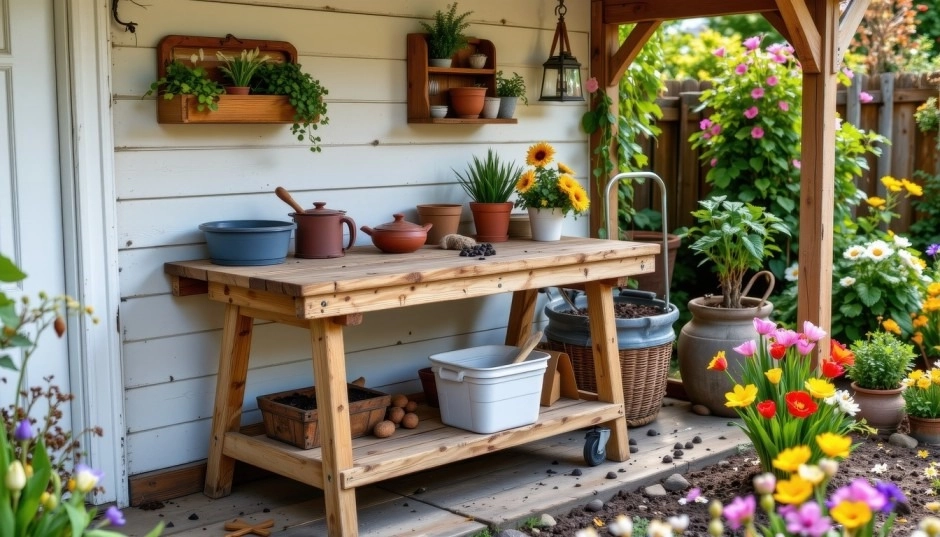
A Colorado growing season is short, roughly late spring through the first fall freeze, and the wind, dust and hail that come with it make casual tool storage a bigger headache here than in milder climates. Seven changes, most doable in a weekend, keep tools dry, out of the wind and ready for the next stretch of good weather.
Why does garden tool storage matter more in Colorado?
Front Range wind gusts regularly top 30 to 40 mph, especially along the foothills, and can knock over leaned tools or blow dust into anything left open. A short growing season also means tools sit unused for months at a time; damp, unprotected storage over a Colorado winter rusts metal and cracks wood handles faster than daily use would.
Do wall-mounted racks work in dry, dusty Front Range yards?
Installing wall-mounted shelves and racks along a garage or shed wall keeps long-handled tools off the ground and out of blowing dust. Mount into studs with brackets rated for the tool weight, and place the rack under an eave or inside a shed rather than on an exposed wall that takes direct hail.
Is a garden cart worth it for a short growing season?
A wheeled garden cart earns its keep on the Front Range because it moves tools, mulch and plants in from an unpredictable spring hailstorm in minutes. Keep it parked near garden beds during the growing season and store it in a shed or garage once the season ends so UV at altitude does not crack the plastic bins or tires.
Do magnetic strips hold up outdoors at altitude?
Magnetic strips work well for small metal tools like trowels and pruners, but mount them inside a shed or garage rather than on an exposed exterior wall; intense Front Range sun and freeze-thaw cycles degrade exterior-grade adhesive faster than a sheltered spot does.
Do I need a permit for a garden shed in the Denver metro?
Most Front Range cities allow a small shed under roughly 120 square feet without a building permit, but setback rules from the property line and fence still apply, and anything larger or with electrical wiring commonly needs one. Check with your city or county before ordering storage sheds for sale so the placement and size clear local rules the first time.
Does my HOA limit shed size, color or placement?
Many Front Range HOAs and metro districts set rules on shed size, exterior color, roofline and how visible it is from the street or a neighbor's yard. Confirm design review requirements before you buy or build; a shed installed without approval can turn into a costly re-do during a design review complaint or a future sale.
How do buckets and watering cans double as storage?
A five-gallon bucket or an old watering can costs nothing extra and holds hand tools, gloves and seed packets between uses. Keep one staged by each garden bed during the growing season, then consolidate everything into the shed once the first fall freeze ends the season.
Does an outdoor storage bench survive Colorado winters?
A bench built from cedar or pressure-treated wood handles Front Range freeze-thaw cycles and intense UV better than untreated softwoods. Choose weather-resistant hardware, and check the seams each spring for gaps that let snowmelt or wind-blown moisture reach the tools stored underneath.
Why does a boot-and-tool mat matter with Front Range clay soil?
Denver metro soil is heavy in expansive clay, and it tracks into a house or shed as thick mud after any rain. A rubber mat with raised edges outside the shed or back door catches muddy boots and tools before disinfecting them, so clay does not spread indoors or corrode metal parts left wet.
How does dust and wind affect where I store tools?
Open shelving on an exposed wall collects Front Range dust fast during dry spells. Favor covered storage, drawers or a bench with a lid over fully open shelving for anything you use only occasionally, and close shed doors and windows before a forecast wind event.
Does organized outdoor storage affect resale value?
A tidy shed and yard read well in listing photos and at a showing, and buyers notice when outdoor storage looks planned rather than scattered. Our preparing and adding value before selling guide covers the low-cost exterior fixes, including storage, that show best to Front Range buyers.
What shed size and setback rules apply across the Denver metro?
Setback distances from the property line, alley and any fence vary by city, and Aurora, Lakewood, Littleton, Centennial and Colorado Springs each set their own thresholds for when a shed needs a full building permit versus a simple registration. Pull your city's accessory structure rules before finalizing a size and footprint, since a shed placed too close to a rear property line commonly has to be moved at the owner's cost.
How does a Colorado winter change tool storage habits?
Once the growing season ends at the first fall freeze, tools left in an unheated but enclosed shed survive the winter far better than anything left exposed to snow load and freeze-thaw moisture on an open rack. Empty hoses and watering cans before the first freeze; water left inside cracks plastic and metal fittings as it freezes and expands.
Should storage differ for a small city lot versus a larger acreage property?
A small Denver or Aurora lot does best with wall-mounted racks and a compact bench, since floor space is limited and HOA rules commonly cap accessory structure footprints. Larger acreage and horse-property lots in areas like Parker, Castle Rock or Elizabeth have more room for a full-size shed or barn bay, but still need the same wind-rated anchoring given how exposed those open lots are.
What tool-storage mistakes cost Front Range homeowners the most?
Leaving metal tools on open ground invites rust once Colorado's freeze-thaw cycle starts, and unanchored sheds or leaned racks are a common casualty of a Front Range wind event. Anchor any freestanding shed to a pad or footings rated for local wind speeds, and keep metal tools off bare soil year-round, not just in winter.
How does a Front Range HOA design review process work for a shed?
Most HOA design review applications ask for a site plan showing the shed's distance from the property line and any fence, the exterior color and material, and sometimes a photo of the model. Submitting a complete application the first time, rather than a quick sketch, is the fastest way to get an approval back before the short Colorado building season closes for the year.
Does storing tools well protect against a homeowners insurance claim?
A shed or covered storage area that keeps power tools, mowers and fuel cans dry and off bare ground reduces the fire and mildew risk an insurer looks at during an inspection, and a documented, permitted structure is easier to insure at replacement value than an undocumented one built without a permit.
Where to go next
- Search every home for sale in Colorado
- Preparing and adding value before selling
- Denver HOA rules and fees guide
- Seasonal gardening in Denver
- Low-maintenance plants for Denver gardening
- Meet the Kenna Real Estate Group agents
Talk to the Kenna Real Estate Group
Whether you are staging a Front Range backyard to sell or sizing up storage on a home you are about to buy, the Kenna Real Estate Group can walk the yard and shed with you before you decide. Call or text 303-955-4220. A live person answers. Not a robot, not a phone tree. Or search every home for sale in Colorado right now.
Homes for sale that match this post
Guides
Questions about any home in Colorado? Call or text 303-955-4220. A live person answers.