.jpg)


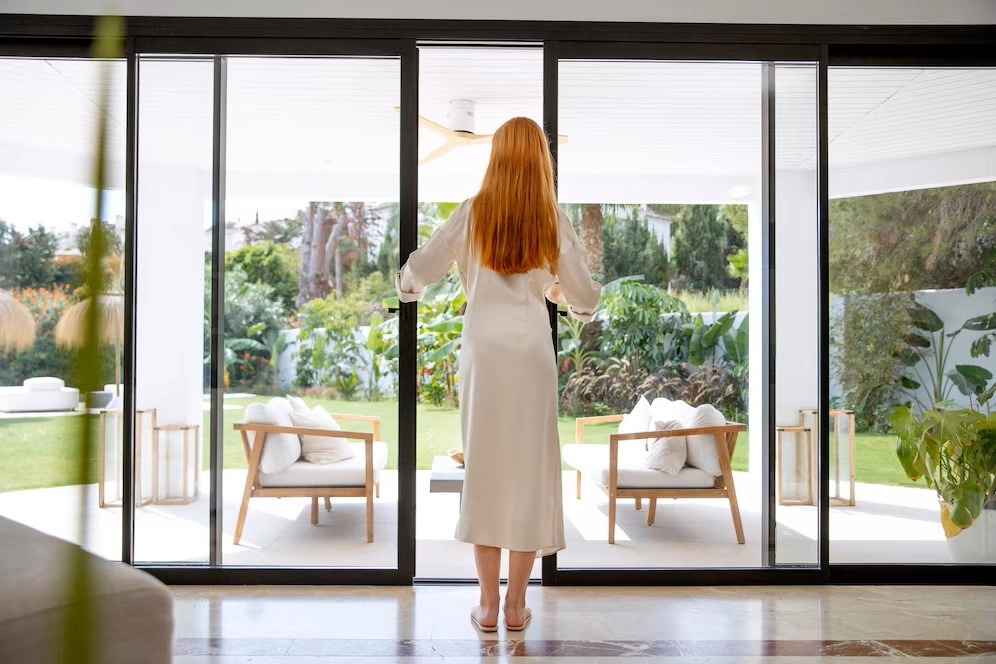
The right screen door for a Colorado home is a retractable screen on a west- or south-facing entry that bakes in afternoon sun, and a full-view storm door with a wind chain and a closer on a north- or east-facing entry that takes the winter. Both cost $350 to $1,200 installed on the Front Range, and both keep out the miller moths that sweep through the Denver metro every late spring.
This guide compares the eight door types against the four things Colorado throws at a door: miller moths, chinook wind, hail, and ultraviolet light that runs about 25 percent stronger at 5,280 feet than at sea level. It also covers HOA approval, what each type costs in the Denver metro, and which ones help a home sell.
| Type | Front Range cost installed | Wind | Hail | UV and heat | Best Colorado use |
|---|---|---|---|---|---|
| Sliding screen (patio slider) | $150 to $450 | Jumps track in gusts above 40 mph | Mesh tears | Fiberglass mesh fades | Covered patios facing east or north |
| Retractable screen | $400 to $1,200 per door | Retracts when not in use, so no wind load | Housing protects the mesh | Best choice on west and south doors | Front doors, French doors, garage side doors |
| Motorized screen | $3,000 to $8,000 per opening | Wind sensor retracts it | Housed | Solar mesh cuts heat 60 to 80 percent | Covered patios and outdoor rooms, 8 to 20 feet wide |
| Large-opening retractable | $2,000 to $5,000 | Manual, retract in wind | Housed | Solar mesh available | Bi-fold and multi-panel doors on newer builds in Castle Pines and Cherry Creek |
| Storm door (full-view or ventilating) | $350 to $1,000 | Needs a wind chain and heavy closer | Tempered glass survives most hail; aluminum frame dents | Traps heat against the front door on west faces | North and east entries, older homes with wood doors |
| Magnetic screen | $25 to $80 | Flaps open in any wind | Tears | Fades in one season | A rental or a one-summer fix, not a Colorado door |
| Pet screen door | $250 to $700 | Same as the slider it mounts in | Pet-grade mesh survives hail better than standard | Vinyl-coated polyester holds up | Sliders opening to a fenced yard |
| Custom screen door | $800 to $3,000 | Built to the opening, so no gaps | Depends on mesh | Powder-coated aluminum lasts | Arched, oversized, or historic entries in Denver's older neighborhoods |
Miller moths migrate from the eastern plains to the mountains from late spring into early summer, and the Denver metro sits in the flight path. They come in through any gap around a door at dusk, drawn to indoor light. What works:
Downslope winds off the foothills hit Boulder, Golden, Louisville, Broomfield and the west side of Arvada with gusts of 60 to 100 mph several times each winter. Highlands Ranch, Castle Rock and Parker sit on open ridges and take 40 to 60 mph gusts most months. A storm door caught by wind rips its own hinge screws out of the jamb and cracks the frame.
Hail season on the Front Range runs from late spring through September, with the most damaging storms in June and July. Denver, Aurora, Centennial and Colorado Springs each take stones over 1 inch most years.
A west-facing front door in Colorado takes direct sun from 2 p.m. to sunset with almost no cloud cover. Put a glass storm door in front of it and the air between the two doors reaches 150 degrees or more on a July afternoon. That heat warps fiberglass doors, peels paint and stain, and cracks the sealant around glass inserts. Door manufacturers exclude that heat damage from the finish warranty when a storm door sits in front of the entry on a west or south face.
On a west door, use a retractable screen, or a ventilating storm door with the glass panel removed from April through October. On a north or east door, a full-view storm door is fine year-round. Storm doors earn their keep in Colorado only where the sun does not hit them.
| Question | Retractable screen | Storm door |
|---|---|---|
| Door faces west or south | Yes | No, unless the glass comes out in summer |
| Older wood door that needs weather protection | No protection | Yes |
| Want to see the front door from the street | Yes, disappears into the housing | Full-view glass shows most of it |
| Front Range wind exposure | Retract it | Chain and closer required |
| Cost installed | $400 to $1,200 | $350 to $1,000 |
| Life on a Colorado exterior | 10 to 15 years, mesh replaceable | 15 to 20 years for aluminum |
The retractable screen doors sold on the Front Range mount inside the jamb and retract into a 2-inch housing, which is what lets a new front door stay visible. The guide on how to choose a screen door walks through frame material and mesh choices in more depth.
Storm doors and screen doors change the exterior, and most Front Range HOAs list them as an improvement that needs a design review request. Under the Colorado Common Interest Ownership Act, the association's design guidelines control color, style and glass, and the board has to respond within the time its own rules set. In Highlands Ranch, HRCA's design review committee handles the request; in Denver's newer communities such as Central Park and Green Valley Ranch, the master association does. The common rules: full-view glass, frame color matched to the entry door or trim, and no ornamental grilles. Submit the request with the manufacturer's photo and the color name before you order. The Denver HOA rules and fees guide and the Highlands Ranch HRCA guide explain how the process runs.
A new full-view storm door on a north or east entry photographs well and reads as a maintained house, for $350 to $1,000. A sun-baked storm door with a foggy glass panel, or a screen door with torn mesh, shows up in the first listing photo and in the inspection report. Before listing, either replace the door or remove it and fill the screw holes. The preparing and adding value before selling page ranks exterior fixes by return, and our post on why windows help Colorado homes sell faster covers the glass next to the door.
The Kenna Real Estate Group at Keller Williams DTC tells sellers which exterior fixes pay back before photos and tells buyers which doors, windows and roofs to check on a Front Range home before the inspection period ends. Call or text 303-955-4220. A live person answers. Not a robot, not a phone tree. Or search every home for sale in Colorado.
Questions about any home in Colorado? Call or text 303-955-4220. A live person answers.
A retractable screen. It keeps the moths out, retracts in wind, and does not trap heat against the entry door the way a glass storm door does on a west or south face.
Late spring into early summer, for four to six weeks, on their way from the eastern plains to the mountains. Screens with no gaps and a porch light turned off at dusk keep them out.
$350 to $1,000 for a full-view aluminum storm door with installation, plus $40 to $80 for a wind chain and heavy-duty closer, which every Front Range storm door needs.
Yes. HRCA's design review committee handles exterior changes, including storm and screen doors. Submit the manufacturer photo and color before ordering.
A dented storm door frame or torn screen gets covered under the same hail claim as the roof and siding when the adjuster lists it. Point it out during the inspection.
Aluminum mesh or vinyl-coated polyester. Standard fiberglass mesh fades and weakens within 2 to 3 summers on a south or west door at Denver's elevation.
On an older wood door with worn weatherstripping, a storm door cuts drafts and saves $30 to $80 a year on Xcel Energy gas bills. On a modern insulated fiberglass or steel door, new weatherstripping does the same job for $20.