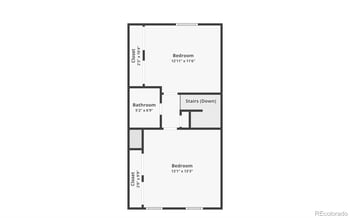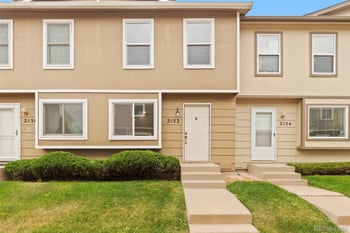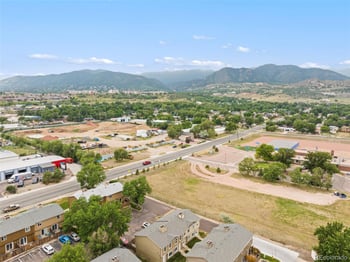
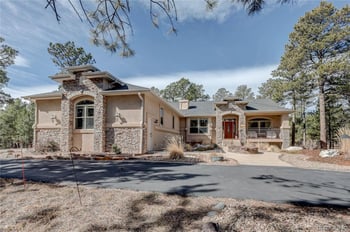
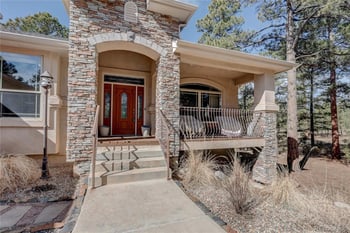
$1,185,000
Active
4
Beds
3
Baths
4155
Sqft
5
Acres
9364 Shipman Ln, Colorado Springs, CO 80908
MLS#: REC8888794
.jpg)



A will alone does not keep a Front Range home out of a Colorado courtroom. Property owners in Denver, Aurora, Lakewood, Littleton, Centennial, Colorado Springs and Fort Collins protect real estate with tools that move title directly to the next owner: a beneficiary deed, a funded revocable trust, or clear joint titling. Each one sidesteps a Colorado probate case; a will by itself does not.
When a Colorado property owner dies with no will, no trust and no beneficiary deed, the home is distributed under Colorado's intestacy statute. A district court judge (or the Denver Probate Court, for Denver residents) appoints a personal representative, and Colorado's default heir order decides who receives the property. This order rarely matches what an owner would have chosen, and it adds months of court filings before a sale can close. A signed deed or trust, put in place while the owner is alive, is the only way to control the outcome.
Colorado allows homeowners to record a beneficiary deed, sometimes called a transfer-on-death deed, naming who receives a specific property at death. The owner keeps full control while alive: the owner can revoke or rewrite the deed at any time, and it has no effect on the owner's ability to sell or refinance. At death, the named beneficiary records a short set of documents with the county clerk and recorder and takes title without a probate case. A beneficiary deed is one of the few Colorado estate tools that costs under $200 to prepare and record.
Colorado offers an informal probate process, handled by a magistrate without a court hearing, for estates where the will is not contested and the personal representative is not disputed. Formal probate, with a judge and a hearing, applies when heirs disagree or the will's validity is in question. Either way, a house titled only in the decedent's name has to pass through one of these two processes before an heir can sell it or take out a new mortgage against it.
Colorado's small-estate affidavit lets heirs collect a decedent's personal property, such as bank accounts and vehicles, below a dollar threshold set by statute and adjusted over time, without opening a full probate case. That affidavit does not transfer real property. A home titled solely in the decedent's name still requires probate, a beneficiary deed, or a trust, no matter how small the estate's total value is. This is the single most common misunderstanding Front Range households run into after a death.
Denver County runs the state's only stand-alone probate court, with judges who hear nothing but probate, trust and mental health cases. Every other Colorado county, including Arapahoe, Jefferson, Douglas, Adams, El Paso and Larimer, handles probate inside the general district court. The forms and statutes are the same statewide, but a Denver estate moves through a dedicated docket while a Centennial or Colorado Springs estate shares a courtroom calendar with civil and family cases.
A revocable living trust avoids probate for real estate, but only for property actually deeded into the trust's name during the owner's life. Creating the trust document is step one; recording a new deed that moves the Denver or Aurora property from the owner's individual name into "[Owner Name], Trustee of the [Owner] Living Trust" is step two, and it is the step owners most commonly skip. An unfunded trust does nothing for a house that is still titled to a person instead of the trust.
Adding a co-owner as a joint tenant with right of survivorship moves a Colorado home to that co-owner automatically at death, outside of probate. It is fast and inexpensive, but it hands over an ownership share immediately, exposes the property to the co-owner's creditors and divorce proceedings, and cannot be changed later without that co-owner's signature. A beneficiary deed or a trust gives an owner the same probate avoidance without any of those side effects while the owner is alive.
A financial power of attorney names someone to pay a mortgage, handle HOA business or sell a Colorado property if the owner becomes unable to manage it. These documents choose someone you trust to step in for financial or medical decisions, and a Colorado power of attorney ends automatically at death; it has no role in transferring the home afterward. A beneficiary deed, trust or will still has to be in place separately for that part.
Under federal tax law, an heir's cost basis in an inherited home resets to its fair market value on the date of death, not the amount the original owner paid. A Denver house bought decades ago for $60,000 and worth $650,000 at death passes to heirs with a $650,000 basis, which sharply reduces or eliminates capital gains tax if the heir sells soon after. This stepped-up basis rule is federal, applies the same way across every Colorado county, and is one of the strongest reasons to keep real estate inside an estate plan rather than gifting it away during life.
Colorado's Senior Property Tax Exemption reduces the taxable value of a home for owners age 65 and older who have owned and occupied that home for at least ten consecutive years, exempting 50% of the first $200,000 of actual value from property tax. The exemption is tied to the person and the property together, so it ends when the home transfers to an heir, and the new owner applies for it again only once they independently meet the age and residency requirements. This is a straight property-tax mechanic, worth building into any plan that keeps a long-held Front Range home in the family.
A large share of newer Front Range subdivisions, particularly in Aurora, Castle Rock, Thornton and parts of Colorado Springs, sit inside a metro district that levies its own mill rate on top of the county's regular property tax. That mill levy transfers with the property, not the person, so an heir inheriting a home in a metro district takes on the same tax obligation the prior owner carried. Reviewing the Denver special district and metro district tax guide before a transfer closes avoids a surprise on the first property tax bill.
Colorado real estate contracts run on standardized forms published by the Colorado Division of Real Estate, including the Seller's Property Disclosure and an inspection objection deadline that the buyer and seller negotiate and write into the contract. An estate's personal representative signs these forms on the estate's behalf once probate authority is granted, and a completed disclosure form still applies even when the seller never lived in the home. The Colorado Home Seller's Guide and a Smart Pricing Report both help a personal representative price and list an inherited property correctly the first time.
An LLC protects a rental property owner from personal liability tied to that property, while a trust controls what happens to ownership at death; the two solve different problems and many Front Range investors use both, holding LLC membership interests inside a revocable trust. Owners who want a dedicated advisor to coordinate a trust, tax filings and investment accounts together work with a firm such as Abacus Wealth advisors.
An heir who wants to refinance an inherited Denver, Littleton or Fort Collins home into their own name first needs clear title, either through a completed probate case, a beneficiary deed transfer, or a trust distribution. Once title is clear, the loan process runs like any other. Mike Oswald at Rate (NMLS 261003, Equal Housing Lender) works with Front Range heirs through exactly that title-to-refinance sequence, and you are free to use any lender. See Colorado home financing options and Kenna Credit Care mortgage readiness for the steps that come before an application.
A title company handling an inherited Front Range property asks for a certified death certificate, the recorded deed or trust document, Letters Testamentary or Letters of Administration if probate was opened, and government-issued identification for every heir on title. Missing paperwork is the most common reason an inherited home's closing gets pushed back two to four weeks, so gathering these documents before listing keeps a sale on schedule.
A second marriage changes how a Colorado home should be titled. A beneficiary deed or trust can direct a property to a spouse for their lifetime and then to heirs from a prior marriage afterward, something a simple joint-tenancy deed cannot do. Without that structure, Colorado's spousal elective share and intestacy rules can direct more of a property to a surviving spouse than either partner intended.
A beneficiary deed, trust or power of attorney should be reviewed every time a Front Range owner buys, sells or refinances real estate, since a deed written for one property does not automatically cover a new one. The same review makes sense after a marriage, divorce, or the birth of an heir. Ask for the printable estate-plan document checklist in the form below and we email it the same day.
Colorado's beneficiary deed forms, trust documents and powers of attorney all need a Colorado-licensed attorney's review before they are signed; a form written for another state's laws will not hold up the same way here. This article is general information, not legal advice, and a Colorado estate planning attorney should review any deed, trust or will before it is recorded or signed.
The Kenna Real Estate Group works with personal representatives, trustees and heirs across the Front Range to price, prepare and sell inherited property, and to connect owners with Colorado estate planning attorneys before a deed needs to change hands. Call or text 303-955-4220. A live person answers. Not a robot, not a phone tree. Ready to look now? Search every home for sale in Colorado.
Questions about any home in Colorado? Call or text 303-955-4220. A live person answers.
No. A will names who should inherit a home, but the property still passes through Colorado probate. A beneficiary deed, a funded trust, or joint tenancy with right of survivorship are the tools that avoid probate.
Colorado provides a statutory beneficiary deed form, but it has to be filled out, signed, notarized and recorded correctly with the county clerk and recorder to work. A Colorado attorney should review it before it is signed.
No. Colorado's small-estate affidavit covers personal property such as bank accounts and vehicles below a set dollar threshold. Real estate titled in the decedent's name alone still needs probate, a beneficiary deed, or a trust.
It exempts 50% of the first $200,000 of actual value from property tax for owners 65 or older who have owned and occupied the home for at least ten consecutive years. The exemption does not transfer automatically to an heir.
An heir's cost basis resets to the home's fair market value on the date of death under federal tax law. Selling soon after inheriting results in little or no taxable gain.
Yes. Denver County has the state's only stand-alone probate court. Every other county, including Arapahoe, Jefferson, Douglas and El Paso, hears probate cases inside the general district court.
A lender needs clear title before issuing a new mortgage, so probate, a beneficiary deed transfer, or a trust distribution needs to finish first. Mike Oswald at Rate (NMLS 261003, Equal Housing Lender) can walk a Front Range heir through that sequence, and you are free to use any lender.
Yes. A metro district's mill levy is tied to the property, not the person, so an heir inheriting a home inside a Front Range metro district takes on the same tax obligation the prior owner carried.