New - 17 Hours Ago
$679,900
Active
4
Beds
3
Baths
3796
Sqft
0.1652
Acres
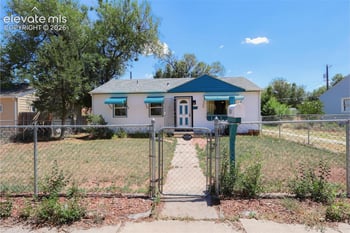
4010 Ivy Hill Dr, Colorado Springs, CO 80922
MLS#: 1829443
.jpg)


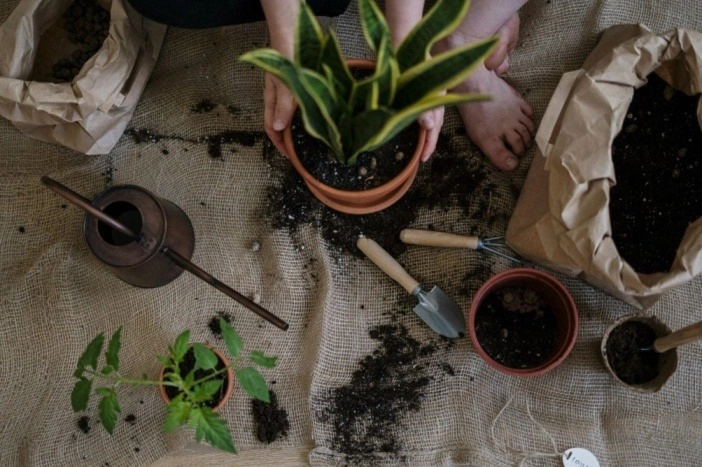
A DIY backyard renovation on the Front Range saves real money on labor, but Colorado's expansive clay soil, permit rules, and hail season narrow which projects are worth tackling yourself. Planting beds, mulch, gravel paths, and simple fencing are approachable DIY projects. Grading, anything over 4 feet, and structures attached to the house are the ones where a homeowner's time and a professional's permit experience are both worth weighing.
Garden beds, mulch, small paver walkways not attached to the house, simple fence sections, and container gardening are realistic weekend projects for most homeowners, and none of them require a permit in most cases. The reward runs deeper than the money saved: a project built with your own hands reflects your own taste exactly, without a contractor's default style filtering the decisions along the way.
Grading, retaining walls over 4 feet, anything attached to the house, and electrical or irrigation work tied into the home's systems are the projects where a mistake costs more than the labor you saved. Colorado's expansive clay soil is unforgiving here: a retaining wall built without an engineered footing can lean or heave within a few seasons as the soil swells and shrinks with moisture, and fixing a leaning wall after the fact costs far more than building it correctly the first time.
Denver, Aurora, Lakewood, Littleton, Colorado Springs, and Fort Collins each set their own thresholds for what needs a permit: fence height, retaining wall height, anything attached to the house, and grading that changes drainage. A DIY project built without a required permit gets flagged by code enforcement and required to come down or be brought up to code after the fact, and it becomes a disclosure issue at resale, so call your city's building department before buying materials.
Most Front Range HOAs require architectural approval for fences, patios, sheds, and major landscaping changes before you submit anything to the city, not after. Submit your DIY plan to the HOA first; our Denver HOA rules and fees guide walks through how that review works.
Grading a DIY patio or path on clay soil without accounting for drainage sends water toward the foundation instead of away from it, which is a mistake that shows up as cracking or settling months later, not immediately. Slope hardscape away from the house at a minimum grade, and skip the shortcut of laying pavers directly on bare clay without a compacted base, since the base is what keeps a DIY patio from shifting through Colorado's freeze-thaw cycles.
Hail season runs from spring through September on the Front Range, and it factors directly into DIY material choices. Concrete pavers, natural stone, and composite decking hold up to hail far better than soft-finish wood or a thin fabric shade structure, and a DIY project timed to finish before hail season starts is worth planning around the calendar, not just the weekend you have free.
The Front Range has a short growing season with a real risk of a late frost after an early warm stretch, so plant-based DIY projects need to wait until frost risk passes, while hardscape and structural projects can start as soon as the ground thaws. Rushing new plantings in before the last frost date is one of the most common DIY mistakes, and it means replacing plants that never had a real chance to establish.
| Project | Professional cost | DIY material cost |
|---|---|---|
| 200 sq ft paver patio | $4,000 to $9,000 | $1,500 to $3,000 |
| Retaining wall, under 4 ft, 20 ft run | $3,000 to $6,000 | $1,200 to $2,500 (below permit threshold only) |
| Wood privacy fence, 100 ft | $3,500 to $7,000 | $1,500 to $3,000 |
| Xeriscape bed, 500 sq ft | $2,500 to $5,000 | $800 to $2,000 |
The gap between DIY and professional cost is real, and part of that gap covers the professional's permit knowledge, soil engineering, and drainage planning, which is worth weighing against the savings on any project that touches grading or exceeds a permit threshold.
A compacted gravel base is the difference between a DIY patio that stays level through a Colorado winter and one that heaves and shifts within a year or two. Getting the base material depth right for the soil underneath matters more than the paver or stone choice on top; a supplier like gravelshop.com can help match a base material to a specific project.
Untreated or unsealed wood weathers fast under Colorado's intense UV and hail exposure, graying and cracking sooner than the same wood in a milder climate. Understanding how timber ages outdoors helps set expectations for a DIY deck or fence before the first season of sun and hail changes its color and finish.
A DIY deck needs to meet the Front Range's minimum snow load requirements, not a lighter spec copied from a milder climate's plan. This applies to any roofed or raised structure over the size threshold a city sets for a permit, and it is one more reason an attached or roofed deck is a project worth a permit review even if the framing itself is within a homeowner's skill.
A plate compactor for a paver base, a small trencher for irrigation lines, and a post-hole digger for fencing are worth renting for a single project rather than buying, and most Front Range hardware and equipment rental shops carry all three. Renting the right compaction equipment is the difference between a DIY patio that settles evenly and one that develops low spots within a season.
A homeowner who grades a bed, sets a paver base, or builds a simple fence section learns the soil, drainage, and material behavior of that specific lot, which pays off on every project after the first one. That familiarity with the property also helps at resale, since a homeowner who has worked the yard directly can answer a buyer's or inspector's questions about the ground with more detail than one who never touched it.
Ask for the printable DIY-vs-permit checklist in the form below and the Kenna Real Estate Group emails it the same day, broken out by project type and Front Range city.
The Kenna Real Estate Group helps Front Range homeowners understand which backyard projects need a permit and which DIY upgrades hold their value at resale. Call or text 303-955-4220. A live person answers. Not a robot, not a phone tree. Ready to see what is for sale near you? Search every home for sale in Colorado.
Questions about any home in Colorado? Call or text 303-955-4220. A live person answers.
Below 4 feet, many homeowners build a retaining wall themselves, but expansive clay soil makes an engineered footing worth the extra step even under that threshold. Over 4 feet, most Front Range cities require a permit and an engineered design.
A simple paver patio not attached to the house and not changing drainage does not need a permit in Denver in most cases. A patio attached to the house, or one with a roof or electrical run, does.
Planting beds, mulch, and a simple gravel or paver walkway save the most relative to professional cost, since they need no engineering or permit review in most cases.
It can. Grading that slopes water toward the house instead of away from it is a common DIY mistake on Front Range clay soil, and the damage shows up months later as cracking or settling, not right away.
Hardscape and grading work can start once the ground thaws in spring. Plant-based projects should wait until the last frost risk passes, given the Front Range's short growing season and late frost risk.
Most Front Range HOAs require architectural approval before you build, separate from any city permit, so submit your plan to the HOA before buying materials.