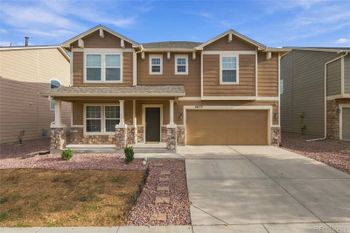
New - 15 Mins Ago

$1,195,000
Active
4
Beds
--
Baths
5646
Sqft
0.3
Acres
654 Coyote Willow Dr, Colorado Springs, CO 80921
MLS#: 3968316
.jpg)


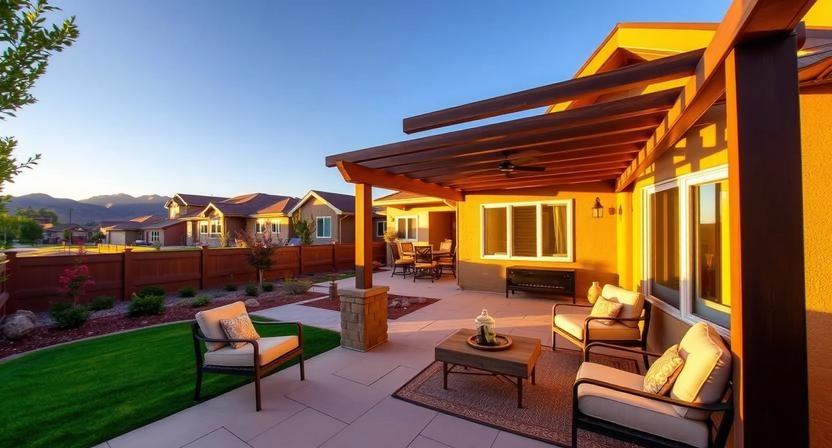
A covered patio, a properly braced pergola or a simple fire pit adds more resale interest on the Front Range than an unprotected concrete slab ever will. Colorado's 300 days of sun make outdoor living space a real selling point, but every structure over a patio needs to be engineered for local snow load and wind, not copied from a warmer-climate plan.
Covered patios, pergolas with real shade coverage, fire pits and outdoor kitchens consistently draw buyer interest in Front Range listings. A bare concrete slab with no shade or seating structure reads as unfinished, even when the square footage is generous.
Colorado gets 300 days of sun a year, and UV intensity at 5,280 feet and higher runs well above sea level. A patio that reads comfortable on a 75-degree day in direct sun without shade gets uncomfortable fast, even when the air temperature looks mild on paper.
A solid roof blocks both sun and snow load year-round but costs more and needs heavier engineering. An open lattice pergola costs less and lets some light through, but needs a snow-load rating too if it's expected to shed accumulation rather than collapse under it. Decide based on how the space gets used in winter, not just summer.
Every Front Range building department sets its own required ground snow load, and a solid roof needs a higher rating than an open pergola in most codes. Get the exact figure for your address from the local permit office before your contractor finalizes the frame.
Denver, Aurora, Lakewood, Littleton, Colorado Springs and Fort Collins each require a building permit for an attached patio cover or pergola above a set size, plus a separate electrical permit if you're wiring lighting or a fan into the structure.
Most Front Range HOAs and architectural review committees require plan approval before a permanent structure goes up, covering material, color and setback from the fence line. Submit plans before ordering materials — see the Denver HOA rules and fees guide.
Wind events along the foothills corridor — Boulder, Golden, Colorado Springs — regularly bring 50 to 70 mile-an-hour gusts. Shade sails and awnings need engineered anchor points built for that load, not a standard post-set footing meant for a calmer climate.
A covered patio or pergola runs $8,000 to $30,000 depending on whether the roof is solid or open lattice, the material and the size. An outdoor kitchen adds $10,000 to $40,000 or more; a simple fire pit runs $500 to $5,000.
Both consistently show up as buyer-favorite features in Front Range listing feedback, since they extend the usable season on either side of summer. A gas fire pit with a seating wall shows better in photos than a portable model in most listings.
Yes. Footings need to sit below the frost line and account for the seasonal movement that bentonite clay causes across much of the Front Range. A geotechnical check before pouring footings protects a permanent structure from cracking within a few years.
Spring-through-September hail can tear or puncture fabric shade sails and retractable awnings left extended during a storm. A retractable system you close before a storm, or a rigid roof, holds up better through Colorado's hail season than fixed fabric left exposed.
Most Front Range zoning codes set a minimum setback from the rear and side lot lines for a permanent structure, separate from any HOA rule. Confirm both the city setback and the HOA setback before finalizing a design — they aren't always the same number.
Shade, seating and a fire feature top the list in most Front Range showings, ahead of larger investments like a full outdoor kitchen. A functional, finished space in the $8,000 to $15,000 range draws more buyer comment in most showings than a half-finished larger project.
Finish it if the permit and structural work are already done — an unfinished project reads as a liability to a buyer's inspector. If a full build isn't realistic before listing, stage the space with furniture and simple shade so buyers can picture the finished version. See the full pre-listing checklist in the preparing and adding value before selling guide.
A current property survey confirms the exact lot lines before a permanent structure goes in, especially on older Front Range lots where the fence line and the recorded boundary don't always match. Skipping the survey risks a setback violation that surfaces at resale rather than before you build.
Yes — a patio slab, then a pergola frame, then a fire pit, can go in over separate budget cycles as long as each phase is permitted and inspected on its own. Planning the full design from the start avoids a mismatched, patched-together final look once every phase is done.
A permitted, enclosed structure can add to a home's recorded improvement value and show up at the next county reassessment; an open pergola or uncovered patio does not count toward finished square footage the way an enclosed room addition does. Ask the county assessor's office how your specific project gets classified before you build.
Shade over the existing patio footprint returns the most usable outdoor time per dollar spent, ahead of a fire pit or a full kitchen build. A simple pergola or retractable awning over an existing slab costs a fraction of a full covered-patio addition in most cases and still solves the sun-exposure problem that keeps a bare slab from getting used.
Yes — adding low-voltage lighting while a patio or pergola project is already open costs far less than running new wiring as a separate job later, and it extends how late into the evening the space gets used through Colorado's long summer daylight hours. Ask the contractor to price it as an add-on to the same permit and dig.
The Kenna Real Estate Group tells Front Range sellers which backyard upgrades actually pull buyer interest before they spend on the wrong project. Call or text 303-955-4220. A live person answers. Not a robot, not a phone tree. Search every home for sale in Colorado while you plan the space.
Questions about any home in Colorado? Call or text 303-955-4220. A live person answers.
Yes — covered patios and pergolas with real shade consistently draw more buyer interest than a bare concrete slab in Colorado listings.
It varies by jurisdiction, and a solid roof needs a higher rating than an open lattice in most codes — get the exact figure from your city's permit office.
Yes. Denver, Aurora, Lakewood, Littleton, Colorado Springs and Fort Collins all require a building permit for an attached cover above a set size.
Yes — spring-through-September hail can tear or puncture fabric left extended, so retract awnings or choose a rigid roof for storm-prone months.
A covered patio or pergola runs $8,000 to $30,000 installed, depending on whether the roof is solid or open and the size of the space.
Most Front Range HOAs require plan approval for material, color and setback before a permanent backyard structure goes up.
Shade, seating and a fire feature top most buyer wish lists, ahead of a larger investment like a full outdoor kitchen in most cases.
Finish any structure with completed permits and framing — an unfinished build reads as a liability to a buyer's inspector.